🪨 Species at a Glance
| Scientific Name | Tetraodon lineatus |
| Family | Tetraodontidae |
| Order | Tetraodontiformes |
| Origin | Nile River basin — Egypt, Sudan, Ethiopia, and West African rivers (Niger, Senegal, Gambia, Volta) |
| Adult Size | 40-45 cm (16-18 in); occasional specimens approach 50 cm |
| Lifespan | 10-15 years; exceptional individuals reach 18-20 years |
| pH Range | 7.0-8.0 |
| Temperature | 24-28 C (75-82 F) |
| Hardness (dGH) | 10-20 |
| Diet | Carnivore — hard-shelled invertebrates, snails, crustaceans, small fish |
| Minimum Tank Size | 500 L (130 gal) for a single adult; 750 L+ strongly recommended |
| Care Level | Advanced — for experienced keepers only |
| Temperament | Aggressive, territorial, strictly solitary |
| Breeding | Essentially impossible in home aquaria; no reliable captive-bred line exists |
| Tank Position | All levels; actively explores the whole tank |
Species Background
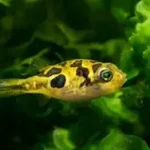
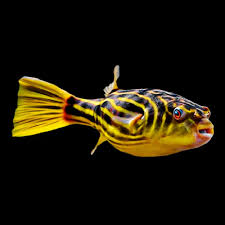
The scientific name *Tetraodon lineatus* describes the fish with elegant brevity. *Tetraodon* — ‘four teeth’ — refers to the four fused tooth plates that define the entire Tetraodontidae family: two on the upper jaw, two on the lower, forming the distinctive parrot-like beak that all puffers share. These plates are not individual teeth in the mammalian sense but fused dental structures that grow continuously from their base, much like the incisors of a rodent. *Lineatus* means ‘lined’ in Latin, a direct reference to the horizontal yellow and black stripes that run along the flanks of younger specimens. These stripes fade and break up as the fish matures into a marbled green-and-cream pattern, but juveniles sold in the trade almost always show the classic banding that gives the species its name. The formal description was written by the French zoologist Linnaeus in 1758, making this one of the longest-named fish in continuous scientific use.
The common name ‘Fahaka’ comes from the Arabic word for pufferfish, still used by Egyptian fishermen along the Nile today. The word itself is onomatopoeic — it imitates the sharp puffing sound the fish makes when it inflates its stomach with water and air. Ancient Egyptians were clearly familiar with this fish: Fahaka puffers appear in tomb paintings and hieroglyphic art from as far back as the Old Kingdom, often rendered in their characteristic inflated posture. Some scholars argue the inflated puffer became a minor fertility and protection symbol in parts of the Nile delta, associated with the river’s seasonal abundance. Egyptian fishermen knew the fish was toxic and generally released it, a caution echoed in modern Nile communities where the flesh is understood to contain tetrodotoxin and is avoided. Unlike the famous Japanese fugu tradition where toxic puffers are carefully prepared and eaten, no culinary preparation of Fahaka flesh is practised in Africa — the fish is uniformly treated as inedible.
The Fahaka’s range extends far beyond the Nile. Populations inhabit the Niger, Senegal, Gambia, and Volta river systems in West Africa, along with Lake Turkana and the Chad basin. These widely separated populations show subtle colour and pattern variation, but all are currently considered the same species. In the wild, Fahakas are ambush predators of slow-moving rivers and floodplains, cruising the margins and picking off snails, bivalves, and unwary fry with surgical precision. They favour areas of dense aquatic vegetation, undercut banks, and the silty margins where freshwater molluscs breed in huge numbers. Local fishermen sometimes consider them a nuisance because they raid fish traps and shred the bellies of any smaller fish already caught, leaving damaged trap catches worth less at market. This reputation as a tough, territorial predator follows the fish into the aquarium trade, where Fahakas have kept their wild temperament largely intact despite decades of collection.
Water Chemistry Guide
7.0–8.0
ideal 7.5
24–28 °C
ideal 26 °C
10–20 dGH
Moderately hard to hard water preferred
The Nile River system where *Tetraodon lineatus* evolved is characterised by warm, slightly alkaline, moderately hard water with very high oxygen content from constant flow. Replicating this in the aquarium is straightforward in principle but demanding in practice. Target pH between 7.0 and 8.0, with 7.5 an ideal midpoint. Hardness should sit between 10 and 20 dGH — most municipal tap water in Australia falls naturally in this range, which is one of the few aspects of Fahaka keeping that does not require remineralisation or RO blending. Temperature should be held steady at 24 to 28 C, with 26 C a reliable all-year setting. Avoid letting temperature drift seasonally more than a degree or two — Fahakas tolerate gradual change but dislike daily swings.
What matters more than hitting any specific number is water quality and stability. Fahakas are scaleless, which makes them unusually sensitive to ammonia, nitrite, and prolonged nitrate exposure. Unlike a cichlid that might tolerate 40 mg/L nitrate for weeks, a Fahaka kept above 20 mg/L will slowly develop skin lesions, eye cloudiness, and susceptibility to opportunistic infections. Scaleless fish depend on a thin protective mucus layer rather than overlapping scales for their first line of defence against pathogens and chemical irritation. When water quality slides, the mucus layer thins, and bacterial, fungal, and parasitic opportunists find their way in. By the time visible symptoms appear on a Fahaka, the fish has usually been living in sub-optimal water for weeks. Target ammonia and nitrite at zero at all times, and keep nitrate below 20 mg/L — ideally below 10 mg/L. This requires aggressive weekly water changes (30 to 50 percent is not unusual), pristine mechanical filtration, and the discipline to test water rather than assume. A tank that looks clean to the eye can still be slowly poisoning your puffer if the biofilter has not kept pace with the animal’s huge bioload.
Oxygenation is the other under-appreciated parameter. Adult Fahakas are physically large, metabolically active fish, and they breathe heavily compared to most freshwater species. Strong surface agitation from spray bars, airstones, or an oversized return pump keeps dissolved oxygen near saturation, which the fish needs both for general health and for rapid recovery from the exertion of eating hard-shelled prey. Watch your fish’s gill rate at rest: a healthy Fahaka takes slow, deliberate breaths, perhaps 40 to 60 per minute at 26 C. Rapid gill flaring (over 100 per minute) at rest indicates either oxygen deprivation, elevated ammonia, or acute stress — all of which warrant immediate investigation of water parameters and filtration.
Copper is lethal to Fahakas at concentrations most fish tolerate easily. If you keep a snail breeder tank or use any copper-based medication, never mix the water between tanks, and never treat the Fahaka tank with copper-containing parasite medications (most aquarium copper treatments are acutely toxic). Use fish-safe medications only, and dose conservatively. Salt tolerance is intermediate — Fahakas will tolerate 1 to 3 grams per litre of aquarium salt for short-term treatment of minor skin issues, but they are not brackish fish (despite occasional retail labelling that confuses them with Figure-8 or Green Spotted puffers) and should not be kept in permanently salted water.
The Colour Spectrum
🟡 Wild Type (Juvenile)
Bright yellow belly with bold black horizontal stripes running from gill plate to tail; the classic ‘tiger’ phase seen in most imported specimens.
🟢 Nile Standard (Adult)
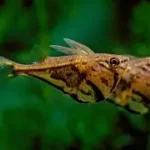
Mature colouration: olive-green back with cream-to-yellow undersides, the juvenile stripes broken into dashes, spots, and marbled reticulation.
Fahaka Puffers are not a species with true colour morphs. No albino, leucistic, or selectively bred line exists — the fish simply changes appearance as it grows. Juveniles imported at 5 to 8 centimetres display the iconic yellow-and-black striping that makes this species instantly recognisable on a shop shelf. Over the first two to three years, as the fish climbs past 20 centimetres, the stripes begin to dissolve into broken lines and eventually into the mottled adult pattern. The transition is gradual and asymmetric — most fish retain traces of their juvenile banding on the lower flanks long after the dorsal pattern has broken up into reticulation. Some very large adults, particularly females, develop almost totally smooth olive-green backs with only faint hints of the original stripes along the belly, while others keep a more pronounced marbled look into old age.
Colour intensity in adults depends heavily on mood and environment: a relaxed, well-fed Fahaka in a mature tank shows vivid green on the dorsal surface and rich cream on the belly, while a stressed or poorly kept fish often fades to a washed-out grey-green. The chromatophores in the Fahaka’s skin are under direct neural control and respond in seconds to stimuli. A feeding puffer that sees you approaching often flushes bright and strong within moments, while a puffer transported across the room in a bucket can turn nearly monochrome in the same time. This ability to change colour quickly is part of why aquarium photography of the species is notoriously difficult — the fish you see when you sit down to the tank is almost never the fish the camera captures.
Providing varied substrate, driftwood, and dim lighting with the occasional bright shaft encourages the fullest colour expression. Fahakas kept on white or pale substrate tend to fade permanently, as their chromatophores attempt to match the bright background at all times; dark sand produces the richest contrast against the cream belly and makes every detail of the adult pattern more striking. If your puffer goes pale for more than a day, suspect water quality or stress before anything else — Fahakas are emotional barometers of tank conditions, and persistent pallor is one of the earliest warning signs that something is wrong long before more obvious symptoms appear. Regional variation is also worth noting: West African Fahakas from the Niger and Senegal systems tend to display slightly warmer yellow tones in juvenile stripes compared to the greener yellow of classic Nile specimens, though the difference is subtle and not commercially distinguished in the aquarium trade.
It is also worth mentioning the dramatic visual transformation that takes place when a Fahaka inflates. Like all pufferfish, *Tetraodon lineatus* can rapidly swallow water to balloon its body to several times its resting volume, stretching the patterned skin and revealing underlying pale tissue between the markings. An inflated Fahaka looks briefly like a yellow-striped football and is an unforgettable sight, but it is also a strong stress signal. Healthy captive Fahakas inflate rarely, usually only during transport, net chases, or acute startles. Keepers should never trigger inflation deliberately as a party trick — the process is physiologically taxing and repeated inflations can injure the fish. A Fahaka that inflates frequently in its home tank is reporting that something is wrong and deserves investigation.
Creating the Perfect Habitat
The single biggest mistake new Fahaka keepers make is buying a ‘starter’ tank intending to upgrade later. A six-centimetre juvenile looks perfectly comfortable in a 200 litre tank, and many retailers will sell you the combination. Eighteen months later, when the fish is 25 centimetres and pacing the glass, the upgrade becomes urgent, expensive, and stressful for everyone involved. Buy the adult-size tank first. The absolute minimum for a single adult Fahaka is 500 litres (roughly 180 x 60 x 50 cm), and many experienced keepers consider 750 to 1000 litres a more humane long-term footprint. Footprint matters more than height — Fahakas cruise horizontally, not vertically, and a wide, shallow tank serves them better than a tall narrow one of equal volume. A 500 litre tank that is 150 cm long beats a 500 litre tank that is 100 cm long but deeper, because the fish spends its life moving back and forth along the bottom-to-middle band rather than up and down the water column.
Substrate should be soft sand rather than gravel. Fahakas spend a significant portion of their day nosing along the bottom looking for prey, and sharp gravel can abrade their scaleless skin. A layer of pool filter sand or smooth aquarium sand 3 to 5 centimetres deep is ideal. Avoid coarse gravel, crushed coral (which also raises pH unpredictably), and any substrate with sharp edges. Many keepers prefer undyed natural sand in a warm buff or grey tone because it matches the Nile’s natural riverbed colour and makes the fish’s markings look their best. Sand also supports a surprisingly active microbiome that helps process waste between water changes — a benefit worth preserving by not over-vacuuming. Stir the top centimetre during each water change to release trapped gas, but leave the deeper sand layer undisturbed.
Hardscape should be substantial: large water-worn boulders, thick pieces of driftwood (mopani or Manzanita work well), and a few smooth ceramic caves or clay pots positioned to break sightlines. Do not crowd the tank — Fahakas need large open swimming lanes and will pace relentlessly if confined by excessive decor. Leave at least two-thirds of the footprint as open swimming space. Arrange decor so that no single line of sight crosses the whole tank; the fish appreciates being able to turn a corner and briefly ‘lose sight’ of external movement, which reduces the constant vigilance that tires it out in bare setups. Avoid tall, narrow structures that could trap a puffer’s body — Fahakas are not especially skilled at reversing out of tight spaces, and panic squeezes in caves have killed aquarium specimens. Every cave or tunnel should have two clear exits.
Plants are optional and controversial. Most live plants are either dug up, eaten, or shredded over time. A few tough species — Anubias barteri anchored to driftwood, Java fern attached to rock, large Amazon swords in pots — can survive if the fish is well fed, but assume plants are disposable. Many experienced keepers skip live plants entirely and use silk or a bare rockscape. Fahakas will sometimes nip at soft-leaved plants apparently out of curiosity rather than hunger, so even inedible plants like Anubias can lose leaves over time. If you want the look of planting without the attrition, consider tough tissue-cultured Anubias nana Petite glued directly to basalt rocks, which the fish will usually leave alone once the novelty wears off.
Lighting should be subdued. Fahakas do not appreciate glaring overhead light, and bright light encourages algae growth on every surface the fish cannot polish. A moderate LED on a six to eight hour cycle, or ambient room light only, works well. Consider programmable LEDs that simulate dawn and dusk — Fahakas settle more readily into predictable light cycles and often show visible startle responses when a bright bank of LEDs switches on instantly. Ramping over ten to twenty minutes at sunrise and sunset is a small courtesy that the fish genuinely seems to appreciate. The cover is non-negotiable: Fahakas are strong swimmers and have been known to jump, especially if startled. Use a tight-fitting, heavy glass or mesh lid that cannot be pushed aside by an adult puffer launching upward. Heaters must be guarded or installed inline outside the tank; a scaleless fish pressed against a hot bare heater element can suffer severe thermal burns that take months to heal and leave permanent scarring.
One last practical consideration: the stand and floor. A 500 litre tank filled with water, sand, rock, and equipment weighs well over 600 kilograms. Many domestic floors can handle that load over a wide footprint, but not all can, and rental properties in particular may have restrictions. Plan the location with the full adult setup in mind, confirm the floor is rated for the load if you are unsure, and choose a cabinet rated specifically for aquarium weight rather than improvised furniture. Power also matters: two large canister filters, two heaters, a return pump, lighting, and auxiliary equipment can easily draw more current than a single household outlet was designed for. Spread plugs across at least two circuits, use quality power boards with surge protection, and invest in a drip loop arrangement so that water trickling down a cable cannot reach an outlet.
Tank
Minimum 500 L for a single adult; 750-1000 L strongly recommended; long footprint preferred over tall
Filtration (Primary)
Two large canister filters each rated for twice the tank volume, or a canister plus a dedicated sump
Filtration (Backup)
Mature sponge filter kept running at all times as biological insurance
Heater
Two 300-500 W heaters (redundancy), guarded or inline to protect the scaleless fish from burns
Substrate
Smooth fine sand 3-5 cm deep; never sharp gravel
Hardscape
Large smooth boulders, mopani or Manzanita driftwood, optional ceramic caves for sightline breaks
Lid
Heavy, tight-fitting glass or strong mesh cover — Fahakas jump when startled
Test Kit
Liquid reagent kit for ammonia, nitrite, nitrate, pH, GH, and KH; test weekly
Sexual Dimorphism
Fahaka Puffers are essentially monomorphic — there is no reliable way to sex them by eye, photograph, or standard measurement. Unlike many cichlids or characins where body shape, fin extensions, or colour intensity allow visual sexing, Fahakas of both sexes look virtually identical from juvenile to adult. Males and females share the same patterning, the same fin shape, the same proportions, and the same colour palette at every life stage. Even professional ichthyologists examining dead specimens typically cannot determine sex without dissection to locate and identify the gonads directly, a procedure obviously impractical for a living pet fish.
Hobbyists and commercial breeders alike acknowledge that the only dependable method of confirming sex in a live Fahaka is observing an actual spawning event, at which point a female will extrude eggs and a male will fertilise them. Since spawning in home aquaria is vanishingly rare — essentially undocumented outside a handful of anecdotal reports — the practical answer is that you cannot sex a Fahaka puffer in your tank, and you do not need to. The species is strictly solitary, and pairing attempts are almost guaranteed to end with one dead fish. The aggression that Fahakas direct at conspecifics is not sex-linked or seasonal; a female will attack a female as readily as a male will attack a male, and mixed-sex pairs fight just as violently as same-sex combinations.
Some very experienced keepers claim subtle differences in belly shape or anal fin angle in known spawning fish, but these cues are not repeatable across individuals and should not be relied upon when purchasing or housing fish. A few aquaculturists have attempted ultrasound sexing of large adults in research contexts, with mixed results — the technique can identify gravid females in peak condition but fails on non-spawning individuals. For the average keeper, the honest position is simply that your Fahaka is a Fahaka, and its sex is an interesting unknown that has no practical bearing on its care. Fahakas are happy single fish regardless of sex, and a species-only tank plan sidesteps the question entirely.
| Feature | Male | Female |
|---|---|---|
| External Colouration | Not visually distinguishable from female | Not visually distinguishable from male |
| Body Shape | Not visually distinguishable outside spawning condition | Slightly rounder abdomen only when fully gravid; otherwise identical |
| Fin Shape | Not visually distinguishable | Not visually distinguishable |
| Size at Maturity | 35-45 cm, overlapping range | 35-45 cm, overlapping range |
| Genital Papilla | Only visible during active spawning | Only visible during active spawning |
| Behaviour | Not reliably distinguishable | Not reliably distinguishable |
What to Feed
Fahaka Puffers are obligate hard-food specialists. In the Nile, their diet consists almost entirely of molluscs (freshwater snails and bivalves), crustaceans (crabs, shrimp, crayfish), and the occasional small fish taken opportunistically. Wild stomach-content studies of adult specimens report mollusc shells making up well over half of identifiable prey fragments, with the remainder dominated by crustacean exoskeletons. The four fused tooth plates that make up the puffer’s beak grow continuously throughout life, and without hard-shelled prey to wear them down, the beak overgrows in a matter of months — eventually preventing the fish from eating at all. This is not an optional consideration. It is the single most important feeding principle for the species: Fahakas must eat hard food, or they die. Overgrown beaks are the single most common cause of death in long-kept aquarium Fahakas, and they are entirely preventable with correct diet.
Build the weekly menu around shell-on and shell-bearing foods. Live ramshorn, bladder, and pond snails are ideal — many keepers maintain a separate snail breeding tank purely to supply their puffer. A single 60 litre snail tank planted with a few hornwort strands and fed old vegetable scraps produces more snails than an adult Fahaka can consume, for free, indefinitely. This is a setup worth investing in before the puffer itself; running out of snails at a critical moment is a real risk for keepers who depend entirely on store-bought food. Unshelled prawns or shrimp (head and shell intact), whole mussels in the shell, cockles, small crabs, and crayfish all serve the same beak-grinding function. Frozen silversides, lance fish, and squid are acceptable but should be the minority of the diet — they are soft and contribute nothing to beak wear, and relying on them exclusively guarantees a beak trim within a year.
Rotate the menu. Fahakas can become fixated on a single favourite food, and a fish that only eats snails will stop accepting prawns, while a fish that only eats prawns becomes reluctant to crack shells. Both extremes cause problems. A weekly rotation with two or three live-snail meals, one or two shell-on prawn or mussel meals, and one frozen item (silversides, lancefish, or whole smelt) keeps the fish interested, nutritionally balanced, and responsive to variety. Occasional live crayfish or large ghost shrimp sessions provide enrichment value beyond nutrition — watching a Fahaka stalk and crunch a crayfish over the course of twenty minutes is how many keepers fall in love with the species in the first place.
Feed an adult Fahaka to visible fullness every two to three days, not daily. These are large predators adapted to irregular meals in the wild, and daily feeding leads to obesity, fatty liver disease, and poor water quality. A juvenile under 15 centimetres can be fed smaller portions daily, tapering to every-other-day feeding around the 20 centimetre mark. Watch the fish’s profile: a healthy Fahaka is barrel-round when just fed and noticeably slimmer the day before its next meal. A fish that stays permanently round is being overfed. A fish with a visible ‘waist’ behind the pectoral fins is underfed. The target is a gentle rounded barrel on feeding day that relaxes to a slightly lean shape the following day.
Avoid mammalian meat entirely. Beef heart, chicken, and similar foods contain fats that Fahakas cannot metabolise efficiently and will cause long-term liver damage. Stick to aquatic prey items. Feeder fish carry disease risks and are nutritionally inferior to frozen and live invertebrates — most experienced keepers avoid them. If you must use fish as an occasional treat, purchase whole frozen marine fish (lancefish, smelt, silversides) from a reputable supplier rather than live pet-store feeders, which often harbour internal parasites and bacterial contamination. Pellet and prepared foods have no place in the Fahaka diet; the fish will sometimes sample them but gets no nutritional benefit and no beak wear from soft extruded products.
Hunger striking is another behaviour worth understanding. Fahakas sometimes refuse food for days or even a week or two without any underlying health problem. A well-fed adult can go surprisingly long between meals in nature, and a captive fish occasionally expresses this by simply ignoring offered food. Do not panic-feed softer items in response; a hunger strike lasting under ten days in an otherwise healthy fish is usually resolved by offering the most stimulating live prey item in your arsenal (typically a fresh batch of active ramshorn snails) and then waiting patiently. If the strike extends beyond two weeks or is accompanied by pale colouration, clamped fins, or visible thinning, investigate water quality and consider parasite treatment with a puffer-safe medication after consulting an experienced aquatic vet.
Tank Mate Guide
Fahaka Puffers are one of the most uncompromisingly solitary fish in the trade, and the most honest advice we can give is to keep yours alone. Every experienced Fahaka keeper has a story about a community attempt that worked for six months, a year, sometimes two years — and then ended with a dead tank mate overnight. Juvenile Fahakas can occasionally tolerate company, but the tolerance is temporary. As the puffer matures and claims territory, it starts testing its neighbours: a nipped fin, a chased swim-by, an overnight ambush. Even in a tank of 1000 litres with abundant sightline breaks, the long-term probability of a peaceful multi-species community is low, and the cost of failure is the life of the tank mate. The aggression is not necessarily spectacular — Fahakas often work slowly, removing a scale here, a piece of fin there, night after night, until the tank mate succumbs to infection or exhaustion. By the time a keeper notices the pattern, the damage is already chronic.
The exceptions, when they exist, are usually large armoured catfish — big Plecostomus species with bony scutes that the puffer cannot penetrate. Even these pairings depend on individual personality, tank size, and luck. They are not a formula; they are a gamble that some keepers win and others lose. Some Fahakas will coexist with a large pleco for years; others will decide overnight that the pleco is an intruder and rasp its eyes out. You cannot predict which camp your individual fish falls into until you try, and trying puts another animal’s welfare on the line. Experienced keepers who have successfully housed plecos with Fahakas generally emphasise two conditions: the pleco was already mature and well-established before the puffer was introduced, and the tank was large enough (1000+ litres) that the two animals could genuinely avoid each other for days at a time.
If you want a community tank, choose a different centrepiece species. If you want a Fahaka, commit to a species-only aquarium. The fish itself will not mind. Fahakas are demonstrably happier and healthier alone, where they can patrol their entire territory without competition and interact with the only tank mate they actually enjoy — you. The interactive, dog-like personality that makes this species famous comes out in full only when the fish has no rivals to worry about. Long-term keepers frequently describe their Fahakas as learning feeding routines, recognising individual family members, and displaying distinct moods tied to the time of day. None of this richness requires tank mates. The Fahaka is not lonely in a well-appointed solo tank; it is sovereign.
Finally, a note on ‘trial’ introductions. Some keepers will add a small fish as a ‘test’ to see how the Fahaka reacts. Please do not. A test fish is a fish, a living animal that deserves better than to be served up as an experiment. If you are unsure whether your Fahaka will tolerate a tank mate, the answer is ‘probably not, and you do not need to find out’. Keep your fish alone, give it the 500 to 1000 litres it deserves, feed it well, and enjoy the next ten to fifteen years with one of the most personality-rich fish the freshwater hobby has to offer. The right framing is not ‘my Fahaka is lonely’ but rather ‘my Fahaka rules its domain and has earned the undivided attention I give it’. Keepers who internalise this shift in perspective consistently report deeper enjoyment of the species and far fewer husbandry problems than those who continue trying to force community cohabitation against the fish’s clearly expressed preferences.
| Species | Why | |
|---|---|---|
| ✅ | None (strongly recommended) | The safest community setup for a Fahaka Puffer is a species-only tank. Every tank mate is a gamble, and the fish shows no stress or welfare impact from being kept alone — quite the opposite |
| ✅ | Large armoured catfish (specific cases only) | A small minority of keepers have successfully housed large Plecostomus (L-number species over 25 cm) with Fahakas in tanks above 1000 L; high risk, not recommended as a starting plan |
| ❌ | Any tetra, rasbora, or small schooling fish | Consumed as food almost immediately; no small fish survives long-term with an adult Fahaka |
| ❌ | Any cichlid (angelfish, oscar, discus, etc.) | Fin-nipping by the Fahaka, territorial conflict, and slow attrition even when sizes appear matched; incompatible temperament |
| ❌ | Other pufferfish (any species) | Fahakas do not tolerate conspecifics or other puffer species; guaranteed fighting regardless of sex, age, or tank size |
| ❌ | Shrimp, crayfish, and ornamental invertebrates | All invertebrates are considered food; even large crayfish will be killed and eaten over time |
| ❌ | Bichirs, knifefish, and large characins | Fahakas persistently bite flowing fins and soft bodies; tank mates accumulate fin damage and secondary infections |
| ❌ | Goldfish or coldwater species | Temperature incompatibility compounded by predation risk; fatty goldfish flesh also causes long-term health issues in Fahakas |
Reproduction & Breeding
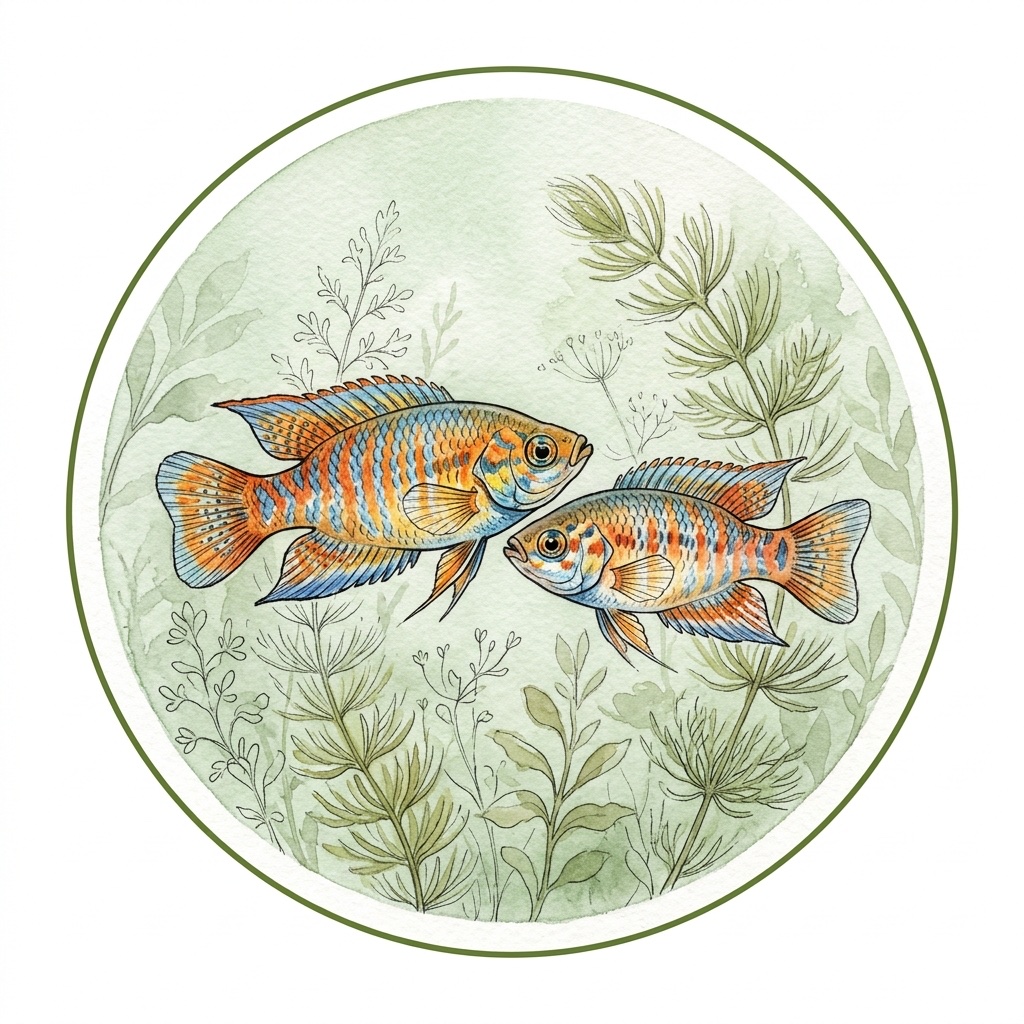
Day 0
Spawning Trigger (Wild Only)
Seasonal flood conditions, rising temperature, abundant food
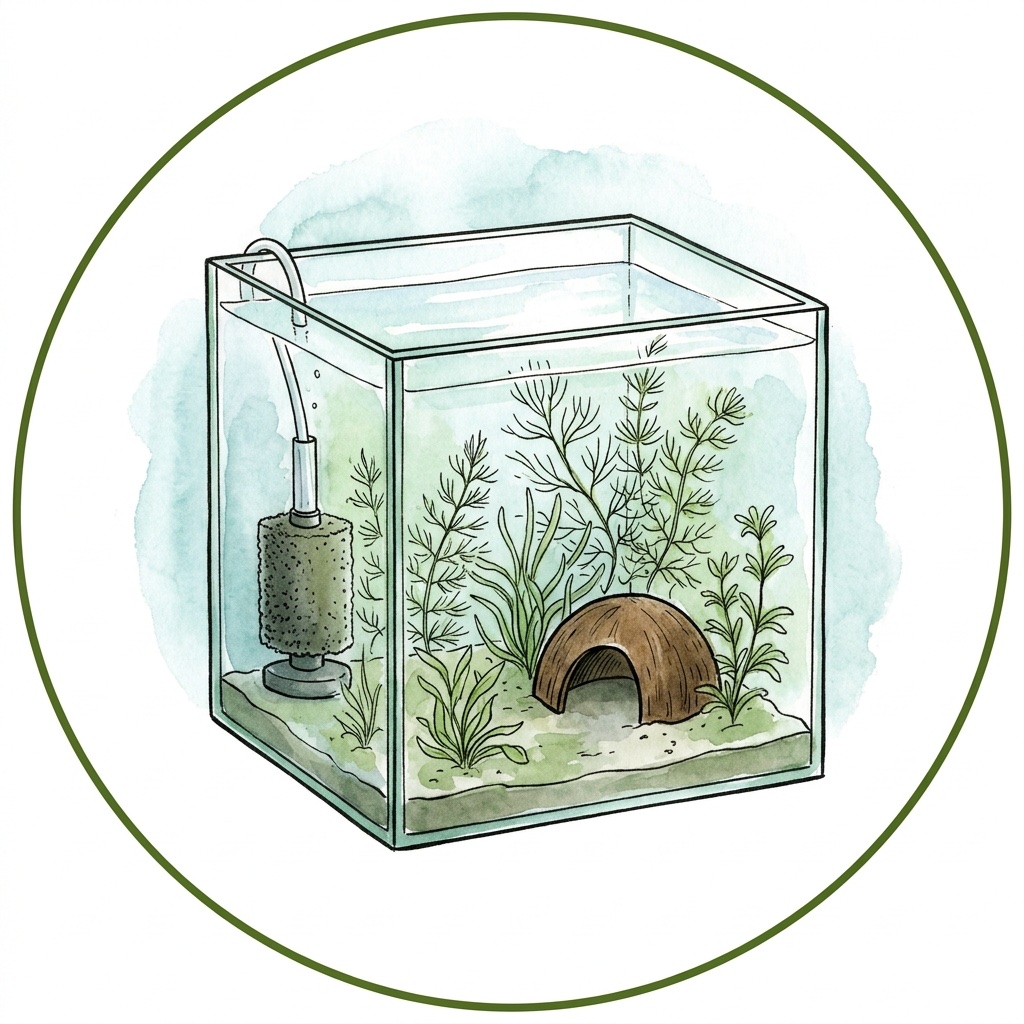
Day 0 — Spawning Event
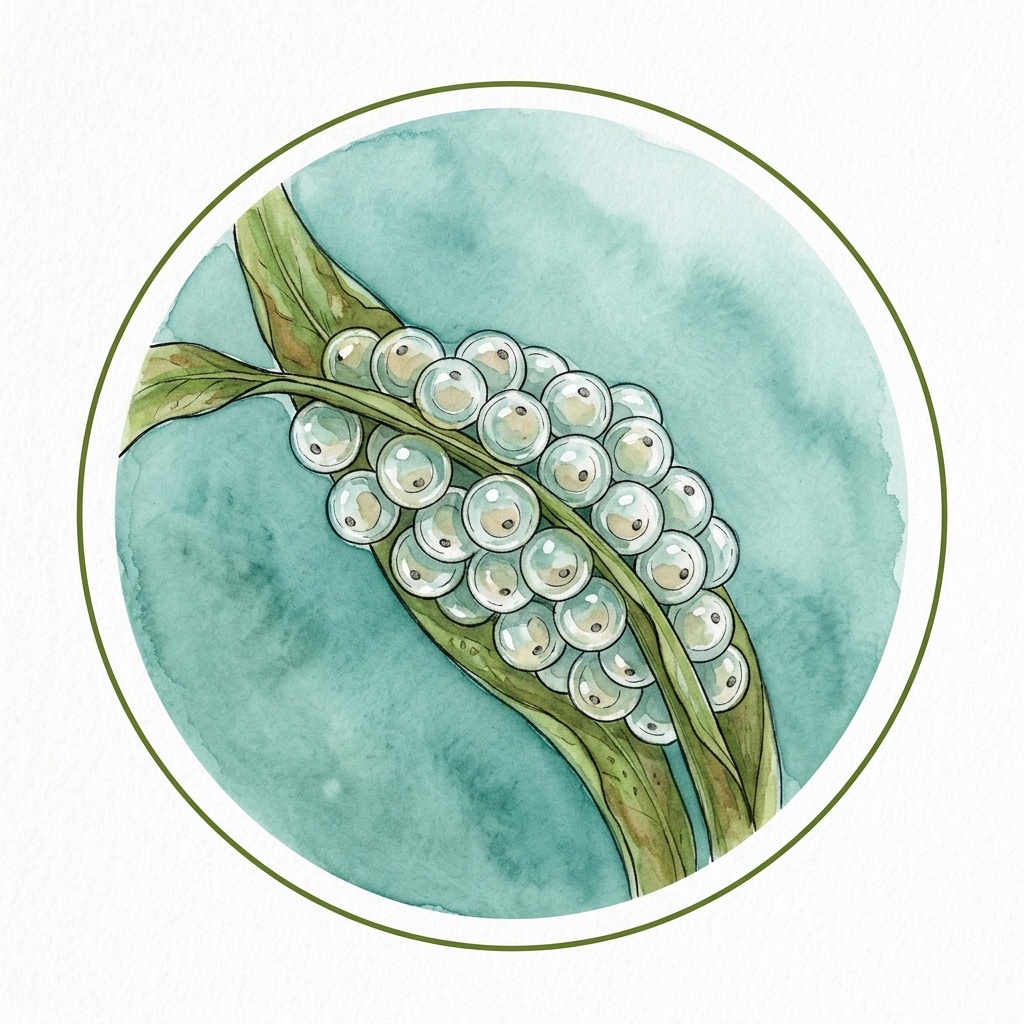
Egg Deposition
Female scatters adhesive eggs on substrate; male fertilises
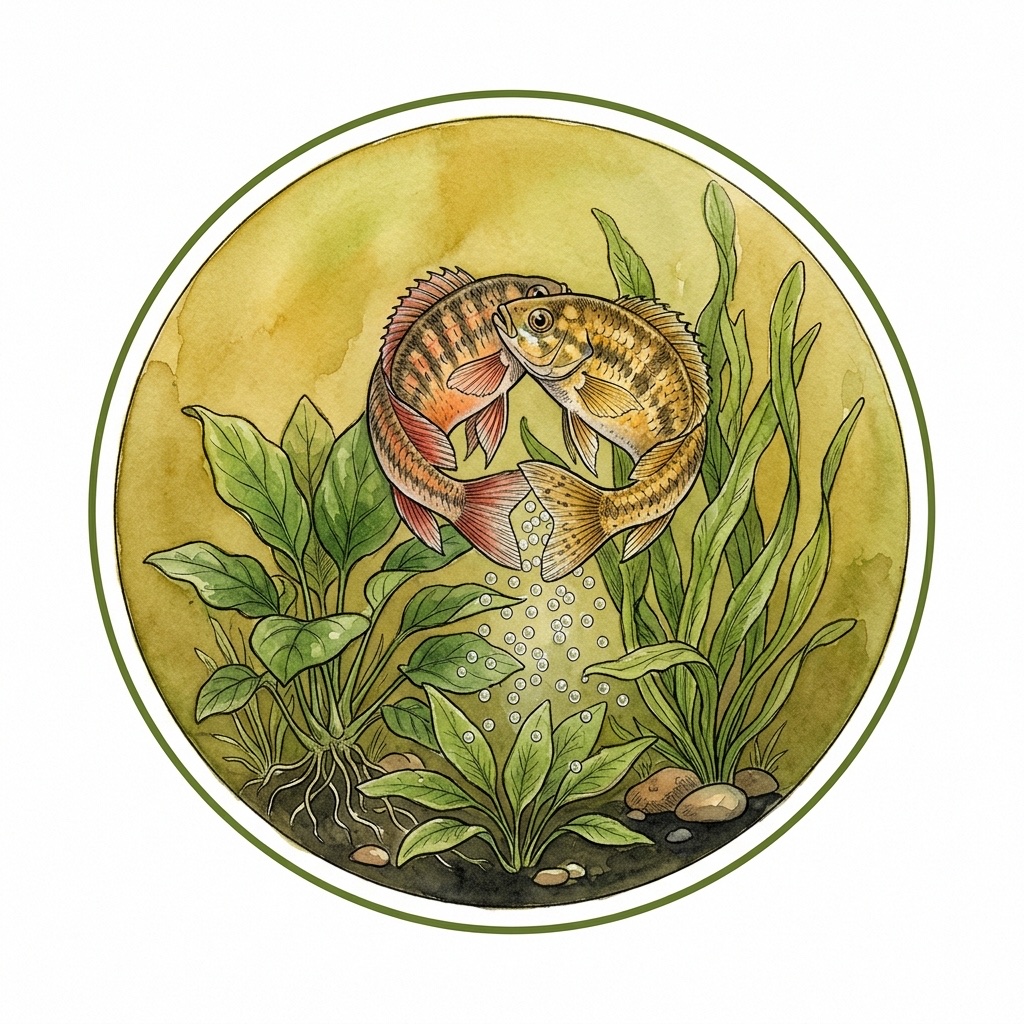
Day 3-5
Larvae Hatch
Tiny yolk-sac larvae emerge and remain near substrate
Day 7-10
Free-Swimming Fry
Fry begin swimming and feeding on micro-invertebrates
Spawning Trigger (Wild Only)
In the Nile and its tributaries, Fahaka spawning is tied to the annual flood season — rising water levels, warming temperatures, and an explosion of invertebrate prey trigger reproductive behaviour. Males establish loose territories in calmer margin water and court passing females through slow lateral displays, belly-flashing, and gentle flank contact. Reproducing these cues in a home aquarium is extraordinarily difficult: the scale of environmental change involved (square kilometres of flooded habitat, months of gradually rising water, a surge of seasonally abundant food) is simply not reproducible at 500 litres. Some experienced keepers have attempted to mimic flood triggers through extended cool-water periods followed by warm water changes and heavy feeding, but none of these attempts has produced reliable results. Only a handful of undocumented aquarium spawning events have ever been reported, and none has produced a reliable captive-bred line. All Fahakas currently in the trade are wild-caught, collected as juveniles from the Nile, Niger, Volta, and related river systems by local fishermen who supply the international ornamental trade.
Egg Deposition
Wild spawning observations describe the female depositing several thousand small, adhesive eggs onto a cleaned flat surface — a rock, submerged log, or firm sand patch. The eggs themselves are small (roughly 1 mm in diameter), pale amber, and densely coated with an adhesive layer that anchors them in place against current. The male follows, releasing milt to fertilise the clutch, and fertilisation rates under wild conditions appear high — a single successful spawning can produce well over two thousand viable eggs. After spawning, parental care is minimal to absent; the adults leave the area and the eggs are left to develop unguarded in whatever cover the spawning substrate provides. In the rare home tank where spawning has been reported, the parents have typically consumed their own eggs within hours, which further complicates any attempt to raise fry from an accidental spawning event. No consistent protocol for separating parents from eggs has been published for this species.
Larvae Hatch
Under wild conditions at around 26 C, eggs hatch in three to five days. The emerging larvae are very small (roughly 2 to 3 mm), barely pigmented, and remain close to the substrate while absorbing their yolk sacs. They are vulnerable to virtually every other fish in the environment and survive in the wild only because spawning occurs in turbid, plant-choked flood margins that hide them from predators. Captive attempts have failed repeatedly at this stage due to infertile eggs, fungal contamination, or predation by the parents themselves. Even where hobbyists have succeeded in separating eggs from parents, fungus has claimed entire clutches within forty-eight hours because no reliable antifungal protocol exists for the species. Some research aquaculture facilities have experimented with methylene blue treatment and high-flow hatching chambers, but details from these trials are sparse and results have not been replicable by amateur breeders.
Free-Swimming Fry
Once yolk sacs are absorbed, fry begin swimming and hunting microscopic prey — infusoria, rotifers, and eventually freshly hatched brine shrimp. Growth is slow, and cannibalism among fry is reportedly intense from this point forward, which may be another reason captive rearing is almost unheard of. Even among wild-caught juveniles imported to the trade, size sorting is strict because larger specimens eat smaller tank mates within hours of being combined. This aggression appears to be inherent to the species from earliest developmental stages, not something acquired with maturity. No aquaculture operation has succeeded in producing Fahaka Puffers at commercial scale, and the species’ entire supply chain depends on sustainable wild collection from the Nile and West African river systems. Conservation assessments currently classify *Tetraodon lineatus* as Least Concern across most of its range, but localised population pressure from habitat modification, dam construction, and pollution of the Nile system means long-term monitoring is warranted. Keeping a wild-caught animal alive and healthy for its full natural lifespan is therefore an act of respect for the individual fish and the wild population from which it was drawn.
Quick Reference
| Scientific Name | Tetraodon lineatus |
| Adult Size | 40-45 cm (16-18 in) |
| Lifespan | 10-15 years (up to 20) |
| pH | 7.0-8.0 (ideal 7.5) |
| Temperature | 24-28 C (ideal 26 C) |
| Hardness | 10-20 dGH |
| Min Tank Size | 500 L (750 L+ recommended) |
| Group Size | Strictly solitary — one fish per tank |
| Diet | Hard-shelled invertebrates, snails, shell-on prawns, mussels, crabs |
| Care Level | Advanced |
| Temperament | Aggressive, territorial |
| Tank Position | All levels |
| Breeding | Essentially impossible in home aquaria |
| Origin | Nile River and West African rivers |
| Source | Wild-caught only; no established captive line |
| Conservation Status | Least Concern (IUCN) across its wild collection range |
Related Products

Reviews
Clear filtersThere are no reviews yet.