Visual Identification Guide
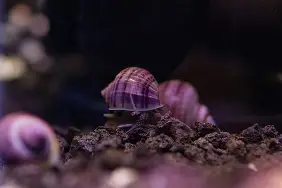
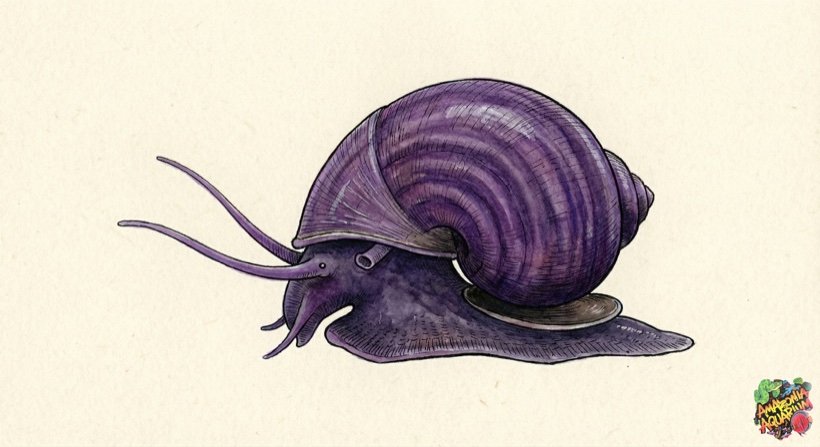
The Purple Mystery Snail has a rounded, dextral (right-coiling) shell with a moderately high spire and a large body whorl. The shell’s surface is smooth with faint growth lines, and in the purple colour form it displays a deep violet to blue-purple hue that varies in intensity depending on the individual, diet, and water chemistry. The shell opening (aperture) is sealed when the snail retracts by a hard, protein-based plate called the operculum — a trapdoor unique to the family Ampullariidae and completely absent in most other freshwater snails. The operculum not only seals out predators but also prevents desiccation, allowing Mystery Snails to survive brief periods out of water.
Pomacea bridgesii possesses a remarkable dual-breathing system. The left side of the mantle cavity contains a true lung for aerial respiration, while the right side houses a gill for aquatic respiration. When oxygen levels drop or the snail needs to top up its air supply, it extends a long muscular siphon — a tube-like organ that reaches up to the water surface — and breathes atmospheric air. This behaviour, which can alarm new keepers who mistake it for escape attempts, is entirely normal and healthy.
Sexual differences are subtle. Males have a closed, slightly concave operculum with a penis sheath visible inside the mantle cavity when the snail extends fully. Females have a more open, flat operculum. The most reliable sexing method remains observation: the male mounts the female during mating, making the sex of both individuals immediately apparent. The body colour in the purple form is a deep charcoal to dark purple, complementing the shell.
🟣 Purple
Deep violet to blue-purple shell with a dark purple-grey body; the most visually striking and sought-after colour form.
🟡 Gold / Yellow
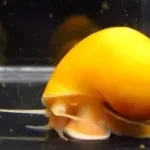
Bright golden-yellow shell with a cream to yellow body; one of the most commonly available and easiest to photograph in aquascapes.
⚪ Ivory / White
Creamy white shell with a pale ivory body; a recessive genetic form that stands out dramatically against dark substrates.
🔵 Blue
Pale to medium blue shell with a grey-blue body; a popular variant that pairs beautifully with green planted tanks.
🟢 Magenta / Pink
Pinkish-red to magenta shell, relatively rarer than gold or blue; often commands premium pricing in the hobby.
Tank Requirements & Layout
A 20-litre aquarium can house one or two Mystery Snails comfortably, but a 40–60 litre setup allows for a small social group and provides greater buffering against parameter swings. Substrate can be any inert material — fine sand is kind to the foot as snails drag their shells across the bottom, while gravel works equally well. Active buffering soils are not ideal as they tend to lower pH, working against the alkaline conditions Mystery Snails need.
The most important tank feature is a secure lid with minimal gaps. Mystery Snails are notorious escape artists: they will climb any surface and exit through even surprisingly small openings, often found desiccated outside the tank in the morning. Any gap larger than 1–2 cm around filter tubes, airline, or heater cables should be plugged with sponge or covered with mesh. Crucially, leave 5–10 cm of airspace between the waterline and the lid — female snails lay their egg clutches above the waterline on the tank walls or lid, and they need dry, humid space to do so. Submerged egg clutches will fail.
Live plants complement Mystery Snails well, though high-light, fast-growing stem plants may be nibbled if the snails are hungry. Hardy species like Anubias, Java Fern, and Vallisneria are generally left alone. Avoid aggressive co-inhabitants — the snail’s operculum provides reasonable protection but the foot, eyes, and tentacles remain vulnerable to fin-nipping fish.
Secure Lid with Airspace
Tight-fitting lid with 5–10 cm of humid airspace above the waterline for egg-laying. Mesh over any gaps around equipment entry points.
Filter
Sponge filter, HOB, or canister — any gentle-to-moderate filtration works. Snails will not be harmed by most intakes but strong suction should be avoided.
Heater
Adjustable heater to maintain 22–26 °C. Stable temperature is more important than the exact value within the tolerance range.
Cuttlebone or Calcium Supplement
Mandatory for shell health. Cuttlebone, crushed coral in a mesh bag, aragonite substrate, or Wonder Shell — choose based on existing water hardness.
Substrate
Fine sand or smooth gravel. Avoid sharp substrates that could damage the soft foot as the snail moves.
pH Test Kit
Regular pH monitoring essential. Invest in a reliable liquid test kit rather than strips for accuracy, especially if using any pH-lowering soil.
Feeding Schedule & Diet
Pomacea bridgesii is a genuine herbivore-omnivore that grazes almost constantly when active. It uses a rasping tongue (radula) to scrape algae and biofilm from glass, hardscape, and plant surfaces — a useful cleaning service in community tanks. Unlike the closely related and invasive Pomacea canaliculata (the Giant Apple Snail), P. bridgesii does not consume healthy, firm-leaved aquatic plants. Yellowing, decaying, or soft-leaved plant matter will be grazed, but this is actually beneficial tank maintenance rather than destructive behaviour.
Supplement the snail’s natural grazing with blanched vegetables: zucchini (courgette), cucumber, spinach, kale, and green beans are all readily accepted. Blanch briefly (30–60 seconds in boiling water), cool, and sink with a clip or small weight. Remove any uneaten vegetable after 24 hours to prevent water quality issues. Commercial sinking pellets and wafers designed for bottom-dwelling invertebrates — particularly those with added calcium and spirulina — round out the diet. Cuttlebone serves double duty as both a calcium source and a supplemental food the snails will rasp directly.
Breeding in the Aquarium
Egg Laying
Mystery Snails are unusual among aquarium snails in that they are gonochoric — there are distinct males and females, and hermaphroditism does not occur. This is excellent news for aquarists concerned about pest snail population explosions: without a male and a female present, no reproduction will occur. Sexing is difficult visually but becomes straightforward when the snails mate, as the male consistently mounts the female from above and behind.
Spawning occurs above the waterline. The female leaves the water and crawls to a dry surface — typically the aquarium glass, underside of the lid, or hood — and deposits a compact clutch of 50–200 eggs encased in a hard, calcified pink or salmon-coloured mass. The clutch dries and hardens within hours, taking on a textured, coral-like appearance. Development takes 2–4 weeks depending on temperature and humidity; warmer temperatures (26–28 °C) and higher humidity accelerate hatching. The clutch changes colour as it develops — darkening from pink to purple-grey just before hatching. Newly hatched snails are 2–4 mm in diameter and immediately capable of feeding and growing.
Population control is simple and non-lethal: remove egg clutches before they hatch. Clutches are visible above the waterline for the full 2–4 week incubation period, giving ample time for removal. This is one of the key advantages of Mystery Snails over pest snails (Physa, Melanoides) that reproduce prolifically underwater and out of sight.
Choosing Safe Companions
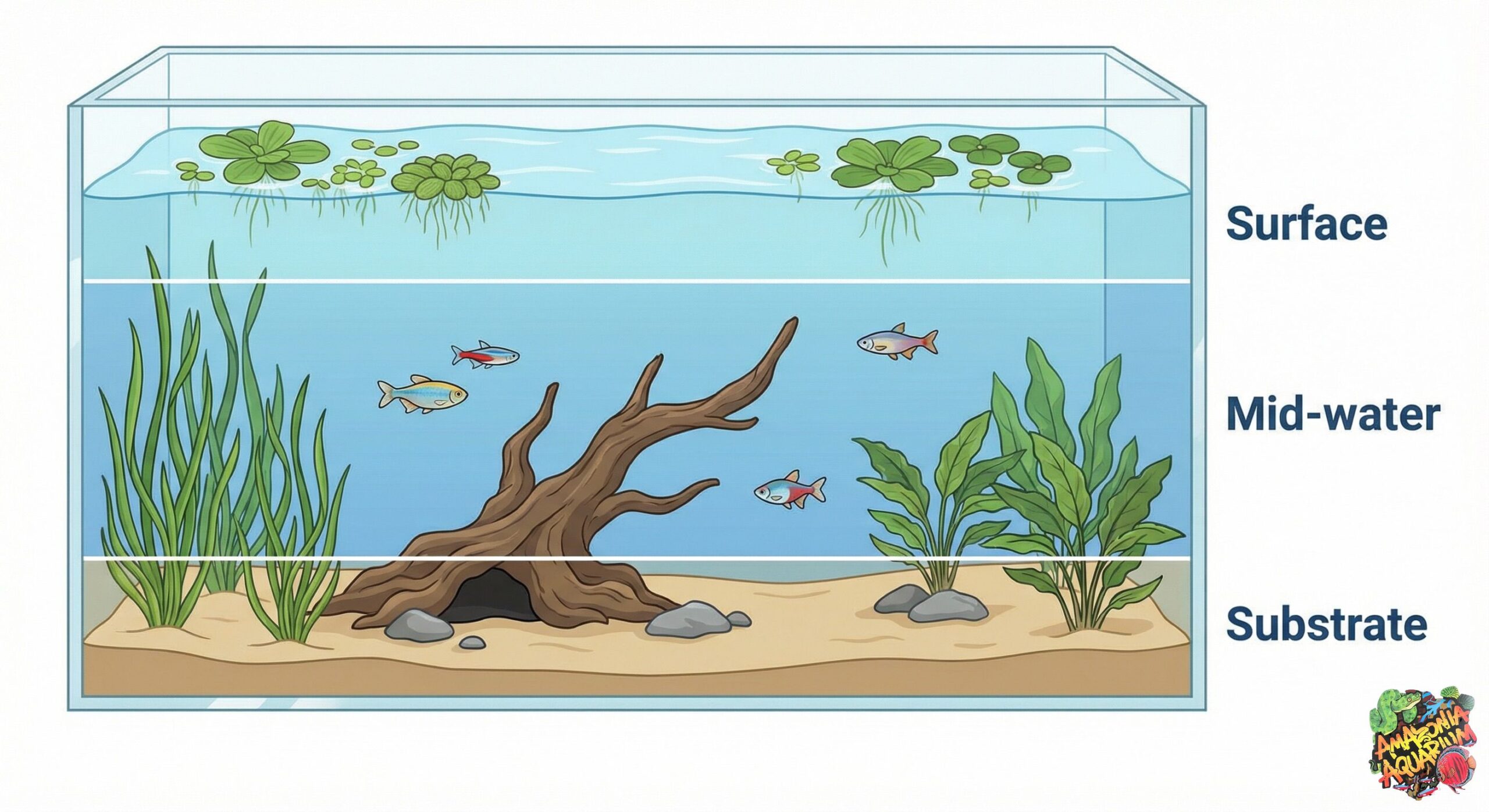
Mystery Snails are genuinely peaceful and will not harm fish, shrimp, or plants under normal circumstances. Their primary vulnerability is their soft exposed tissue — foot, tentacles, eyes, and siphon — which curious or fin-nipping fish will target. The operculum provides substantial protection when the snail withdraws, but repeated harassment causes chronic stress, reduced activity, and shortened lifespan. Avoid dedicated snail predators (Assassin Snails, pea puffers, clown loaches) entirely, and be cautious with larger cichlids and goldfish. The ideal community for Mystery Snails is peaceful small tetras, rasboras, corydoras, and other non-aggressive species under 8 cm. Shrimp, particularly Neocaridina varieties, make excellent co-inhabitants.
| Species | Why | |
|---|---|---|
| ✅ | Neon Tetra (Paracheirodon innesi) | Small, peaceful schooling fish; completely ignore snails and share the mid-water column without conflict. |
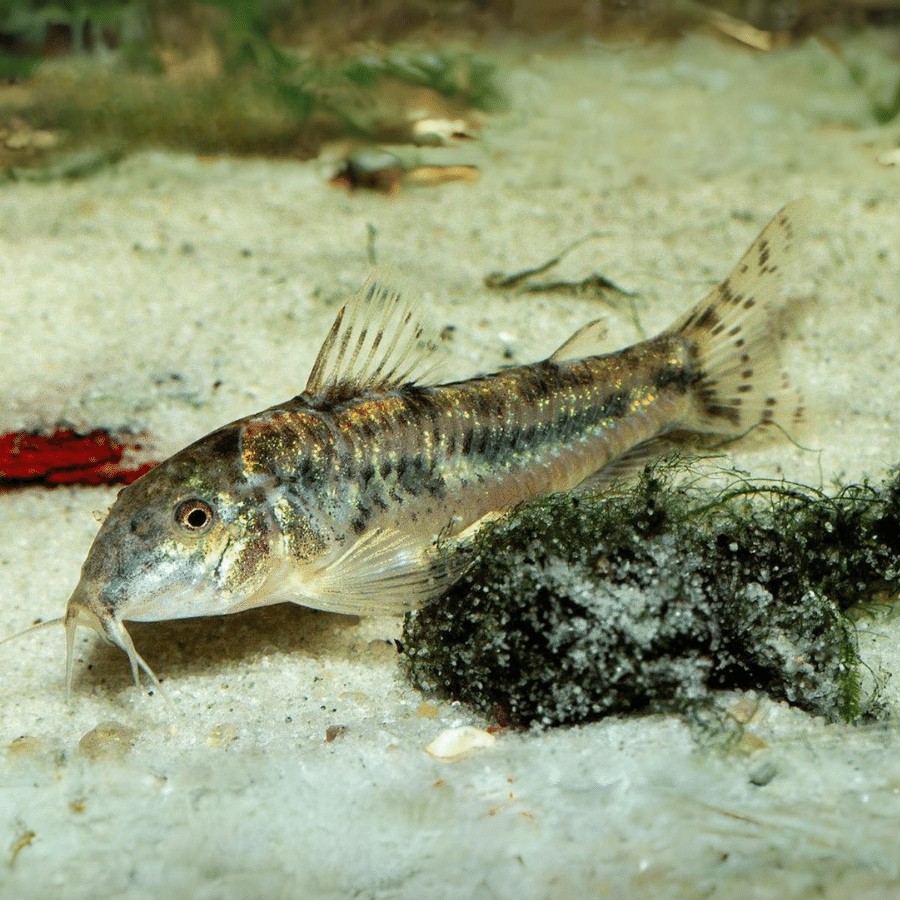
| ✅ | Corydoras Catfish | Bottom-dwelling, peaceful scavengers that coexist happily with Mystery Snails; both benefit from sinking food. |
| ✅ | Otocinclus Catfish | Herbivorous algae eaters that pose no threat to snails; ideal co-cleaners in planted community tanks. |
| ✅ | Red Cherry Shrimp (Neocaridina davidi) | Completely non-aggressive; both species occupy different feeding niches and coexist without competition. |
| ✅ | Harlequin Rasbora (Trigonostigma heteromorpha) | Mid-water schooling fish that ignore bottom-dwelling snails entirely. |
| ✅ | Platy (Xiphophorus maculatus) | Generally peaceful livebearers; may occasionally nip at extended tentacles but rarely cause harm. |
| ❌ | Assassin Snail (Clea helena) | Specialised predator of other snails; will systematically hunt and kill Mystery Snails, attacking the foot when the operculum is open. |
| ❌ | Clown Loach (Chromobotia macracanthus) | Highly effective snail predator with specialised throat teeth for crushing shells; will consume Mystery Snails. |
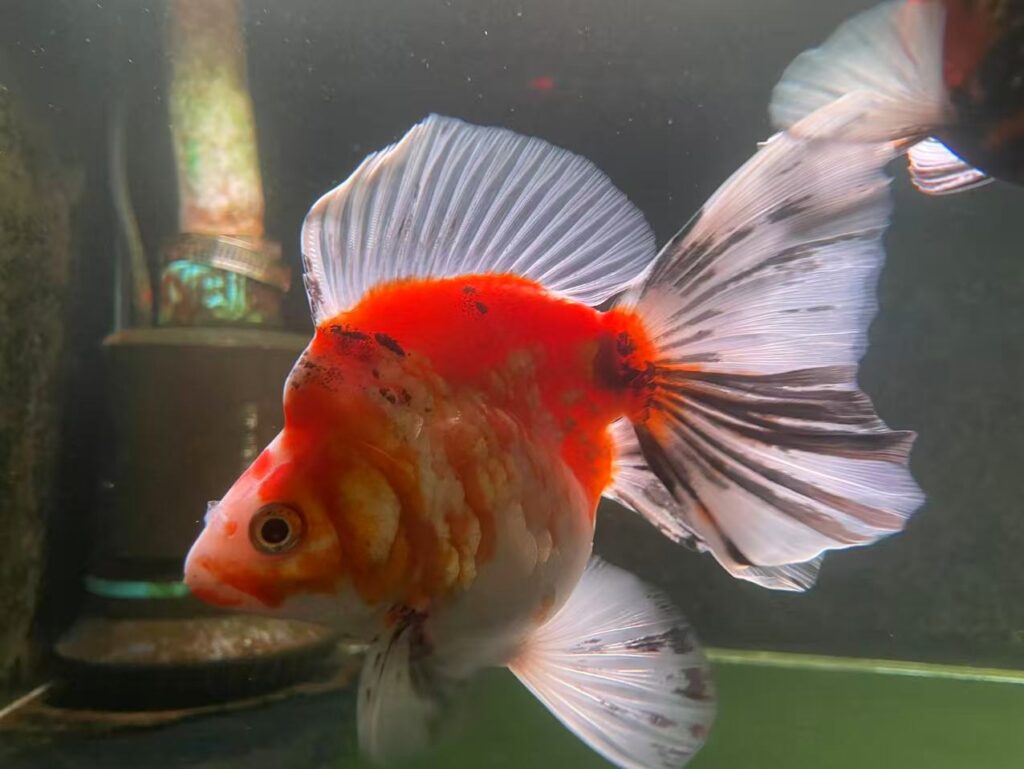
| ❌ | Goldfish | Will relentlessly attack and bite at snail tentacles, eyes, and foot; also require cooler water temperatures. |
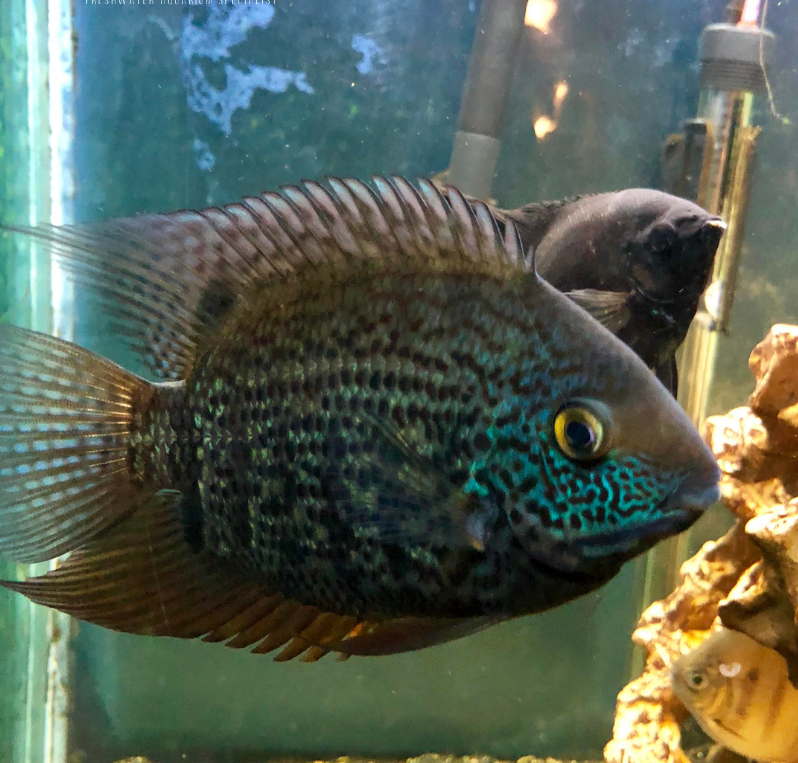
| ❌ | Cichlids (most species) | Many cichlids are capable of and interested in attacking Mystery Snails; even smaller species like German Blue Rams may harass them. |
| ❌ | Pea Puffer (Carinotetraodon travancoricus) | Specialist mollusc predator with beak-like teeth designed to crack snail shells; will kill Mystery Snails. |
Quick Reference
| Scientific Name | Pomacea bridgesii |
| Adult Shell Size | 5–6 cm diameter |
| Lifespan | 1–3 years |
| pH | 7.0–8.5 (ideal 7.5–8.0) |
| Temperature | 20–28 °C (ideal 22–26 °C) |
| Hardness | 8–18 dGH (hard water essential) |
| Min Tank Volume | 20 L (5 gal) per snail |
| Care Level | Beginner |
| Sexes | Separate male and female required for breeding |
| Egg Clutch Location | Above waterline — pink/salmon coloured mass |
| Incubation Period | 2–4 weeks |
| Copper Tolerance | NONE — lethal at trace levels |
| Breathing | Dual — gill (aquatic) + lung (aerial via siphon) |
Molting: What to Expect
Unlike crustaceans, snails do not shed their shells — the shell is a permanent part of the snail’s body, secreted and expanded continuously by the mantle tissue as the snail grows. Shell health is therefore a permanent, ongoing concern rather than a periodic event. The principal threat to shell integrity is acidic water: at pH values below 7.0, calcium carbonate (the primary shell material) begins to dissolve, causing visible pitting, erosion, and a chalky white appearance on the shell surface. In severe cases, erosion exposes the living mantle tissue beneath, leading to infection and death. Alkaline water (pH 7.5–8.0) and high mineral content (8–18 dGH) are essential to maintain shell integrity throughout the snail’s life.
Calcium supplementation is mandatory in most tap water supplies that do not naturally reach 8+ dGH. The simplest methods are placing a piece of cuttlebone in the tank (it dissolves slowly and the snails will also rasp directly on it), adding a Wonder Shell, or incorporating crushed coral or aragonite into the substrate. Crushed coral raises both hardness and pH simultaneously, making it an efficient dual-purpose supplement. Shell pitting that has already occurred cannot be repaired, but halting further erosion and providing adequate calcium will allow the snail to lay down new, healthy shell material at the growing edge of the aperture.
Sydney Keeper Tips
Keeping Purple Mystery Snails in Sydney comes with specific advantages and challenges. Here’s what local keepers should know.
Sydney Tap Water
Mystery Snails need calcium-rich water for shell growth. Sydney’s soft tap water may not provide enough — supplement with cuttlebone, crushed coral in the filter, or a calcium block. Without calcium, shells erode and thin.
Seasonal Considerations
Mystery Snails are tropical and prefer 22–28°C. They’re active year-round in Sydney’s climate with a heater. In summer, ensure good aeration — warmer water holds less oxygen, and snails are sensitive to low O2.
Local Tips
- A piece of cuttlebone (from the bird aisle at pet shops) provides excellent calcium and costs under $3.
- Mystery Snails are prolific egg-layers — they lay clutches above the waterline. Lower the water level by 5cm to give them space, or remove clutches if you don’t want babies.
- They’re excellent algae cleaners but also eat plants — keep them well-fed with blanched vegetables to reduce plant damage.
Frequently Asked Questions
How do I stop my Mystery Snail from escaping?
What do I do with the egg clutches?
My snail’s shell is eroding — what should I do?
Are they safe with live plants?
How long do Mystery Snails live?
The Mystery Behind Mystery Snails
The common name ‘Mystery Snail’ has a delightfully literal origin — when these snails were first imported to the aquarium trade from South America in the early 1900s, their egg-laying behaviour mystified hobbyists. Unlike most aquatic snails, Pomacea bridgesii deposits egg clutches above the waterline, on glass, lids, or any surface above the water. Early hobbyists would find pink clutches appearing seemingly from nowhere — hence the ‘mystery’. The scientific name Pomacea comes from the Greek poma (πῶμα, ‘lid’), referring to the operculum — the trapdoor-like structure the snail uses to seal its shell opening. The species name bridgesii honours Thomas Bridges, a 19th-century British naturalist who collected specimens in Bolivia. The purple colour variety is a line-bred form selected for deep violet-purple shell pigmentation, first stabilised by hobbyist breeders in the 2000s.
🪨 Species at a Glance
| Scientific Name | Pomacea bridgesii (syn. Pomacea diffusa) |
| Common Names | Mystery Snail, Spike-Topped Apple Snail, Bridgesi Snail |
| Family | Ampullariidae |
| Order | Architaenioglossa |
| Origin | South America — Amazon, Paraguay, and Orinoco river basins |
| Adult Size | 5–6 cm shell diameter (golf ball sized) |
| Lifespan | 1–3 years |
| Temperature | 20–28 °C (68–82 °F), ideal 22–26 °C |
| pH Range | 7.0–8.5, ideal 7.5–8.0 |
| Hardness (dGH) | 8–18 dGH (hard water essential for shell health) |
| Diet | Omnivore — algae, blanched vegetables, calcium pellets, leaf litter |
| Minimum Tank Size | 20 L (5 gal) per snail |
| Care Level | Beginner |
| Temperament | Completely peaceful |
| Breeding | Egg-laying (above waterline); separate sexes required |
Keeping the Water Safe
7.0–8.5
ideal 7.7
20–28 °C
ideal 24 °C
8–18 dGH
Hard water essential — calcium required for shell integrity
Mystery Snails are more sensitive to water chemistry than they might appear. The non-negotiable parameters are pH and hardness: soft, acidic water will visibly erode the shell within weeks. Any water with pH below 7.0 or hardness below 6 dGH should be corrected before introducing Mystery Snails. Beyond shell chemistry, the most critical danger is copper — copper is acutely lethal to all molluscs, including at the trace concentrations found in many fish medications, algae treatments, and some municipal water supplies. Never add any product containing copper sulfate, copper gluconate, or related compounds to a tank housing snails. Always verify the ingredients of any treatment before use.
Ammonia and nitrite should be maintained at 0 ppm; Mystery Snails are sensitive to elevated nitrogen compounds, though they are somewhat more tolerant of nitrate than shrimp. A well-established biological filter and regular partial water changes of 20–25% weekly are the foundation of good snail husbandry. Because Mystery Snails are relatively heavy bioload producers for their size, avoid overstocking — the standard guideline of 20 L per snail is a sensible minimum.
Related Products
Reviews
Clear filtersThere are no reviews yet.