
🪨 Species at a Glance
| Scientific Name | Poecilia wingei (‘Silverado’ line-bred strain) |
| Classification | N-class (pure, non-hybridised Endler) |
| Family | Poeciliidae |
| Order | Cyprinodontiformes |
| Wild Origin | Laguna de Patos and surrounding Cumana lagoon system, northeastern Venezuela |
| Adult Size | Males 2–3 cm, Females 3–4 cm |
| Lifespan | 2–3 years (up to 4 in ideal conditions) |
| pH Range | 7.0–8.2 (alkaline preferred) |
| Temperature | 22–28 °C (72–82 °F) |
| Hardness (dGH) | 10–25 (moderately hard to hard) |
| Diet | Omnivore — flake, micro pellet, frozen, blanched vegetable |
| Minimum Tank Size | 40 L (10 gal) for a species group of 6+ |
| Care Level | Beginner |
| Temperament | Peaceful, active, shoaling |
| Breeding | Livebearer — extremely prolific, stored sperm, 23–26 day gestation |
| Tank Position | Mid to top water |
| Conservation Note | N-class Silverado — NEVER keep with guppies (hybridisation destroys the pure line) |
Where the Name Comes From
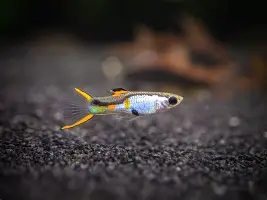
The name ‘Silverado’ refers specifically to the shimmering silver-white base body colour that distinguishes this line from other Endler strains, on which a scatter of metallic spots — some pale blue, some emerald, some copper-orange — sits like sparks against polished chrome. Where a typical wild-type Endler shows a dark olive-bronze body with bold orange and black lateral markings, the Silverado line was selectively bred over many generations to push the base body toward a pale, almost platinum-silver sheen, allowing the spot pattern and the dorsal fin flame to stand out in dramatic high-contrast relief. The name itself is a nod to the Spanish ‘plateado’ (silvered) and to the classic Western naming convention of California and Arizona boomtowns, evoking precious metal, brightness and small-but-valuable treasure — a neat metaphor for a 2-centimetre fish that costs more per gram than most tropical marines when you work the maths out.
The scientific name Poecilia wingei honours Øjvind Winge (1886–1964), the pioneering Danish geneticist who performed some of the first serious studies on livebearer genetics using these very fish, and who recognised even early in the twentieth century that the small Endler’s livebearer was genetically distinct from the common guppy despite visual similarity. The species was formally described as a separate species — not merely a variant of Poecilia reticulata — only in 2005 by Fernando Poeser and colleagues, who documented enough morphological and karyotypic differences (notably a different chromosome count and a distinctive caudal peduncle skeleton) to warrant the full species-level separation. This detail matters in the hobby: every time an aquarist says ‘Endler’s Livebearer’, they are referring to a real, separate, valid species — not a colour morph of the guppy. The common name ‘Endler’ itself honours Dr John Endler, the biologist who rediscovered the fish in Venezuela in 1975 after it had been known in European aquarium circles since the 1930s and then largely forgotten.
The ‘N-class’ designation is the single most important concept for serious Endler keepers and the reason the Silverado strain commands the price it does. The International Endler Association developed a three-tier classification system to track hybridisation status and preserve the pure wild-type genetic lineage. N-class (as in ‘N’ for ‘natural’ or ‘pure’) denotes lines that are documented as having no guppy blood anywhere in their recent ancestry — fish whose parents, grandparents and great-grandparents were all verified pure Poecilia wingei. K-class (for ‘K-hybrid’ or ‘known hybrid’) denotes lines known to include guppy genetics at some point, often to introduce specific colours or fin shapes. P-class (for ‘phenotype’) denotes fish that look like Endlers but whose genetic ancestry is unverified or unclear. A Silverado N-class fish is therefore a living representative of the wild Venezuelan gene pool, not a hybrid approximation — which is exactly why the pure strain must never be allowed to interbreed with guppies, or with K-class and P-class Endlers, in a keeper’s tank. One careless cross-pairing with a guppy and a multi-generation N-class line can be lost in a single brood.
You may also encounter other Endler strain names on the market — Tiger, El Tigre, Snake Chest, Green, Red Chili, Black Bar, Santa Maria, Campoma, Cumana and many more — each representing either a different wild-collection lineage or a different line-bred colour pattern. All pure N-class Endlers share the same small size, hardy constitution, peaceful temperament and spectacular breeding productivity; they differ only in pattern and base colour. The Silverado line stands apart for its distinctively pale, silvery body and the clean visual separation between base and spot, which photographs beautifully and reads well even from across the room.
Telling Males from Females
Sexing Silverado Endlers is one of the easiest exercises you will ever perform in the hobby — far easier even than sexing mollies or platies, because the size and colour differences are so stark. By the time a male fry reaches about 1.5 cm (roughly 4–6 weeks of age), the anal fin has already begun its transformation from a simple fan into a gonopodium, and the base body colour starts revealing its final silver sheen. By 2 cm the colour is fully declared: a male Silverado is unmistakable for its pale silver flank, metallic spotting and flaring dorsal flame. A female at 2 cm is still a soft, pale grey-silver throughout, completely patternless, with a visibly rounder belly. This stark dimorphism is typical of wild-type Endlers and reflects the same evolutionary logic as in guppies and mollies — flashy males do the advertising, cryptic females do the gestating.
The gonopodium deserves a closer look because it is so fundamental to livebearer biology. In external-fertilising species like tetras and danios, the male simply releases milt into the water over scattered eggs — a high-volume, low-precision strategy. Livebearers do the opposite: the male delivers a compact packet of sperm, called a spermatophore, directly into the female’s cloaca via a mechanical organ evolved from the anal fin rays. The gonopodium is supported by small hooks and curves at its tip that briefly lock into the female’s genital opening during a contact lasting a fraction of a second. Watching male Silverados in mating mode is genuinely fascinating — they swim up alongside a receptive female, rotate the gonopodium forward and sideways, and make a quick bumping approach. If the female is receptive, the transfer succeeds and nothing obvious happens externally; if she is not, she bolts into the plants and he continues displaying. A male in a mixed group attempts this display and approach dozens of times per hour for most of his active waking life.
Females carry a dark triangular gravid spot on the lower abdomen just forward of the anal fin — the same reproductive window described in mollies and guppies — which darkens and spreads through the 23–26 day gestation. In the pale-bodied Silverado female specifically, the gravid spot is easier to see than in most darker-bodied livebearers: a visible purplish-black patch against translucent silver abdominal wall. Very close to parturition (within 48 hours), a bright torchlight held against the female’s belly will often reveal individual embryonic eyes as tiny dark dots — a remarkable glimpse of the fry queued up for release. Females are noticeably larger and rounder than males throughout their lives and grow more rapidly during their first three months; a fully mature 4 cm female dwarfs even a colourful 3 cm male.
Male behaviour dominates the tank. Dominant Silverado males establish loose hierarchies in group settings — chasing rival males away from the best display perches, following receptive females persistently, and performing vertical dance displays where the whole body curls into an S-shape and the dorsal flame is held fully erect for several seconds. This display is not aggressive in the way cichlid territoriality is — no real biting or serious harassment occurs — but in undersized tanks with too few females, a single female can nonetheless become stressed and exhausted by continuous male attention. The universal recommendation is a 1 male : 2–3 female ratio, which spreads male attention across the group and gives any individual female the option of retreating to cover when she has had enough. Plenty of dense planting, particularly floating plants with trailing roots and tangles of stem-plant growth, gives the tank a refuge structure that makes even heavily male-biased groups liveable for the females.
| Feature | Male | Female |
|---|---|---|
| Size | Smaller, 2–3 cm slim and streamlined | Larger, 3–4 cm with a rounded abdomen |
| Anal Fin | Modified into a gonopodium — a narrow, pointed rod used to deliver sperm internally | Normal fan-shaped anal fin used for stabilising swimming |
| Body Shape | Slim, torpedo-like profile with a distinct caudal peduncle | Full rounded belly; boxy silhouette from above when gravid |
| Colour & Finnage | Brilliant silver base with metallic spots, fire-orange dorsal flame, patterned caudal fin | Plain pale silver-grey body, no pattern, modest finnage |
| Gravid Spot | Absent | Dark triangular patch just forward of the anal fin; darkens and expands through gestation |
| Behaviour | Constantly displays and flanks females, dances sideways, chases rival males | Calmer; forages steadily; retreats to plants when harassed |
| Dorsal Fin | Tall, flag-like, often held fully erect during courtship display | Small, held modestly, rarely flared |
| Reproductive Role | Internal fertiliser — delivers spermatophore via the gonopodium | Internal gestator — carries developing fry for 23–26 days per brood |
Colour Forms & Morphs
🤇 Silverado
The featured strain — a silver-white to pale platinum base body with scattered metallic blue-green and copper-orange spots, fire-orange dorsal flame and a faint iridescent lateral band. The pale base makes this one of the most visually striking N-class lines in a planted tank.
🐯 El Tigre (Tiger)
Strong vertical or zigzag black bars over a golden-bronze base body with flame-red dorsal and caudal markings — the ‘striped tiger’ of the Endler world and one of the most recognisable wild-type patterns.
🐍 Snake Chest
A dense network of black reticulated markings across the front half of the body that resembles snakeskin, combined with a bright red-orange rear and black caudal peduncle spot. Dramatic and instantly identifiable.
🟢 Green (Jade) Endler
A deeply iridescent emerald-green flank on a dark olive base, often with a black caudal spot and minimal red accent. The metallic green catches light spectacularly under blue-white LEDs.
🌶 Red Chili
Saturated fire-red flame covering the dorsal, caudal and much of the rear flank over a golden base. One of the most heat-coloured Endler lines available and a striking contrast to the Silverado silver.
📏 Black Bar
A thick jet-black vertical bar across the midbody, framed by orange spots above and below. Clean graphic pattern with strong colour separation.
🌙 Santa Maria (Campoma)
A wild-collection lineage from the Campoma / Santa Maria region of Venezuela, characterised by a soft olive base with scattered pastel blue and lemon-yellow spots — subtler than the commercial strains but prized by purists.
One of the remarkable things about pure N-class Endlers is how wildly variable the colour patterns remain within the species even after many generations of hobbyist breeding. Where guppy keepers have pushed their Poecilia reticulata into a narrow handful of fully-fixed show strains — Double Red, Moscow Blue, Half-Black and so on — the Endler community has deliberately preserved natural pattern diversity, treating each line as a genetic reservoir representing a particular wild lagoon or collection locality. This is a conservation-genetics mindset applied to a hobby fish, and it is one of the reasons Endler keeping attracts a more serious crowd than the average livebearer tank. Picking up a Silverado, a Tiger and a Snake Chest and keeping them in separate tanks (never the same tank, unless you are deliberately breeding for new mixed patterns and are willing to lose strain purity) is functionally like maintaining three separate micro-populations of the same species.
Colour intensity in all Silverado Endlers depends heavily on diet, water quality and light. Males reach their full colour around 3–4 months of age and hold it for the rest of their lives, provided carotenoid-rich food is offered regularly — colour-enhancing flakes with astaxanthin and spirulina, occasional frozen cyclops (a naturally orange-pigmented treat), blanched spinach and zucchini for the green-enhancing chlorophyll and lutein, and periodic rotations of bloodworm or baby brine shrimp as high-quality protein reinforcement. A Silverado kept in a tannin-rich blackwater tank will appear slightly muted in silver intensity (tannins tint the water yellow and dampen the pale base); a Silverado in clear, well-lit, neutral water with sparse stem plants reads as almost glowing. Males also darken and brighten their display colour during courtship, flaring the dorsal fin up into a full fiery triangle when a receptive female passes.
Females of all N-class Endler lines are almost indistinguishable from each other at a glance — uniformly pale grey-silver, no pattern, no fin flame, larger and rounder than males. This is the wild-type pattern for most Poeciliidae and it serves a clear function: the female’s camouflage lets her forage among the lagoon roots and vegetation without broadcasting her location to predators, while the male does all the visual advertising. For a nano-tank display, the contrast of a handful of silver-grey females and twice as many flashing, dancing, pattern-packed males is the whole point — and the obvious reason most Endler keepers maintain at least a 1:2 male-to-female ratio regardless of whether they want fry or not. A male-only tank is possible and avoids all breeding entirely, but you lose the courtship display that makes Endler keeping so visually rewarding.
A vital note on preserving Silverado purity: the N-class label is fragile. It takes many generations of careful selection and record-keeping to build an N-class line, and exactly one careless pairing with a guppy (or with a K-class Endler, or with an uncertain P-class fish) to destroy it. If a Silverado female is allowed to mate with a guppy male — and she will, readily, since the two species are fully cross-fertile — every subsequent brood from that female is K-class, even if she is later moved away from the guppies. Her stored sperm will continue producing hybrid fry for six months or longer from that single mating. The integrity of the Silverado line therefore depends absolutely on strict keeper discipline: never mix Endlers and guppies in the same tank, never add fish of uncertain lineage to a breeding colony, and if in doubt about any individual’s history, isolate it in a display-only single-sex tank rather than risk contaminating the gene pool.
Ideal Water Conditions
7.0–8.2
ideal 7.6
22–28 °C
ideal 25 °C
10–25 dGH
Moderately hard to hard water preferred; thrives in mineral-rich coastal-derived conditions
Silverado Endlers are a hard-water, alkaline-preference livebearer — a reflection of their wild home in the coastal lagoons of northeastern Venezuela, where the Laguna de Patos system sits at the boundary between freshwater and brackish, with mineral-rich water trickling in from the surrounding limestone hills. Like mollies, they prefer water on the alkaline side of neutral, with good general hardness and strong carbonate buffering. Unlike discus, cardinal tetras and Apistogramma dwarf cichlids, they will not thrive in soft acidic blackwater — and unlike many commercial fancy guppies, they resist the fin-rot and slime-coat erosion that plagues livebearers kept in mismatched water chemistry. If your tap water is naturally hard and slightly alkaline (as is the case throughout much of Australia, parts of the UK, the southeastern USA and most Mediterranean countries), you can keep Silverados successfully with no chemistry intervention whatsoever — just dechlorinate and pour.
Aim for a pH between 7.0 and 8.2, with a comfortable sweet spot at 7.4–7.8. Stability matters more than the exact target: a rock-steady pH 7.6 beats a pH that drifts between 6.8 and 7.8 week to week because of inconsistent water-change routines. Temperature should sit between 22 and 28 °C, with 24–26 °C ideal for year-round keeping. Silverados handle a slightly cooler winter (down to 20 °C) better than most tropical livebearers, thanks to their wild coastal origin where water temperatures vary seasonally — in a heated Australian living room with an unheated aquarium, they will often do perfectly well through an average winter without supplemental heating, making them a genuinely low-energy-footprint fish to keep. Warmer than 29 °C drops dissolved oxygen sharply and accelerates metabolism so much that lifespan noticeably shortens.
General hardness (GH) should be 10–25 dGH and carbonate hardness (KH) should stay above 5 dKH to provide pH buffering. Hard tap water usually supplies both naturally. If you have soft tap water, the easiest remineralisation is a handful of crushed coral or aragonite in the filter media basket, which gradually dissolves into the water and raises both GH and KH over weeks of passive exposure — a set-and-forget solution that needs topping up perhaps once a year. Avoid commercial ‘cichlid salt’ mixes that contain pH-buffering minerals designed for African rift-lake cichlids; those push the pH toward 8.5 and harden the water more than a Silverado needs.
Ammonia and nitrite must be zero in a cycled tank, and nitrate should be kept below 20 ppm for healthy adult colour and below 10 ppm if you are raising fry to their most colourful. Silverados are not especially nitrate-sensitive compared to, say, ram cichlids, but chronic nitrate above 40 ppm dulls the silver base to a muddy grey and thins the dorsal flame. Test weekly until you understand your tank’s rhythm, then fortnightly. Perform 25 percent weekly water changes with temperature-matched tap water (dechlorinated); this is more than adequate for a well-stocked species tank, and Endlers handle water-change fluctuations better than almost any other fish in the hobby — a genuine blessing for nano-aquarium keepers who prefer small frequent changes over big occasional ones.
An important note on salt: Silverados tolerate — and in some cases actually appreciate — a very mild aquarium salt dose of 0.5 to 1 teaspoon of non-iodised aquarium salt per US gallon (roughly 2–4 g/L). This firms up fin tissue, supports slime-coat integrity, acts as a mild osmoregulatory aid and noticeably reduces the incidence of ich, fungus and opportunistic bacterial infection. Salt is not mandatory — healthy Silverados in plain hard freshwater thrive with no salt at all — but it can be useful during acclimation from stressful shipping, in treating early-stage finnage issues, or as a long-term mild prophylactic in species-only tanks. If you plan to keep salt-sensitive tank mates such as corydoras catfish or loaches, reduce the salt dose to 0.25 tsp/gal or skip entirely. Use plain NaCl (aquarium or kosher) — never marine salt mix, which contains pH-shifting minerals designed for reef tanks.
Feeding Guide
Silverado Endlers are true omnivores with a slight lean toward the micro-predatory end of the spectrum — in the wild they graze biofilm, algae and soft plant matter constantly, but they also eagerly hunt tiny crustaceans, insect larvae, mosquito wrigglers and any micro-invertebrate small enough to fit in their thimble-sized mouths. This wild diet profile maps cleanly onto captive feeding: the core of a Silverado’s daily intake should be a high-quality tropical micro-flake or crushed regular flake (whole flakes are often too big for a 3 cm mouth), supplemented by micro pellets sized for small livebearers and tetras, occasional frozen foods and regular small amounts of blanched vegetable matter for the herbivorous side of their nutrition. A good flake base should include spirulina, earthworm meal, astaxanthin or paprika for carotenoid colour enhancement, and a broad vitamin-mineral complex.
Micro pellets — a relatively new category in the hobby — are specifically formulated for nano-fish and are the single best daily staple for Silverados. Brands like Hikari Micro Pellets, Fluval Bug Bites Micro Granules, and various Japanese nano-fish foods produce pellets of 0.5–1 mm that sink slowly through the water column, giving every fish in the group — even the timid females at the back — time to catch a share before the pellets reach the substrate. A single small pinch once or twice daily is plenty for a group of 8–10 Silverados.
Frozen and live foods add crucial dietary variety and should feature in the weekly rotation. Baby brine shrimp (Artemia nauplii) are the gold-standard protein supplement — small enough for every adult to eat and nutritionally excellent, they also trigger strong feeding response and noticeably intensify colour over a few weeks of regular inclusion. Daphnia is the second best protein-plus-fibre choice; its tiny cellulose-shelled body acts as both protein and digestive roughage, keeping Silverado guts healthy and regular. Cyclops (tiny copepods) are another excellent frozen food, naturally rich in orange carotenoids that deepen the fire-red dorsal flame colour. Bloodworms can feature occasionally but are often too large for Silverado mouths and are rich enough that weekly rather than daily feeding is the right cadence — cut bloodworms in half before offering if your fish are on the smaller end.
Blanched vegetable matter provides the herbivorous portion of the diet and keeps the digestive tract functioning properly. Lightly boiled (about 20 seconds) and cooled spinach leaves, zucchini medallions cut to 3 mm thickness, cucumber slices, shelled garden peas crushed lightly to expose the green interior, and blanched kale are all accepted once the fish learn what vegetables are. New keepers sometimes report that Endlers ignore vegetables at first — this is just the learning curve; persistence for a week or two and the fish will figure it out. Always remove uneaten vegetable matter within 12 hours to prevent fouling.
Feed small portions 2–3 times per day rather than one big feeding. Silverado mouths are tiny and their stomach capacity per feeding is small — overfeeding at a single session produces waste rather than growth, and the uneaten food fouls the tank quickly in a small nano setup. The practical rule is ‘eaten within 90 seconds, nothing reaches the substrate’ — offer only what the group can clear completely in that window, then wait several hours before the next meal. Between formal feedings, the fish will happily graze biofilm, soft algae and tiny infusoria from glass, rockwork, plant leaves and driftwood, which in a well-established tank provides a meaningful share of their daily caloric intake. One skipped day per week mimics a natural wild gap and is actively beneficial — it clears the gut and reduces the low-level risk of constipation.
A note on colour-enhancing foods: the intensity of the Silverado silver base is largely genetic and not hugely diet-responsive, but the metallic spot colours, the fire-orange dorsal flame and the iridescent blue-green lateral highlights respond strongly to carotenoid intake. Astaxanthin (in colour-enhancing flakes and naturally in cyclops and baby brine shrimp), spirulina (in most good flakes and pellets), lutein and paprika all meaningfully deepen the visual punch of a Silverado male across a few weeks of regular inclusion. A Silverado on a carotenoid-poor diet fades to a muted pattern within a month or two; a Silverado on a colour-rich rotation displays at full electric intensity throughout its adult life.
Setting Up Your Aquarium
A Silverado Endler tank rewards the nano-aquascaper more than almost any other fish in the hobby. Because the fish are so small (3 cm males, 4 cm females) and the group size you actually want to keep is modest (6–12 individuals is ideal), a well-planted 40-litre aquarium (roughly 50×25×30 cm) is perfectly sufficient for a lifetime show group, a 60-litre tank is luxurious, and anything above 80 litres is genuinely overkill for a single-species Silverado setup. This makes Endlers a go-to choice for desk-top nano-reefs, living-room accent tanks, office aquariums and anyone working with space constraints. Their small scale also means that investment in high-quality planting, substrate and lighting reads in the final display far more strongly than the same investment would read on a 200-litre community tank — a beautifully planted 40-litre Silverado display is one of the most rewarding aquariums you can assemble in the freshwater hobby.
Tank shape matters less than it does for bigger livebearers. Silverados use all levels of the tank — males cruise the middle water actively, females forage a little lower, and both sexes frequently rise to the surface to pick floating food. A roughly rectangular tank with more length than height is still preferred (Endlers are swimmers, not climbers), but the fish adapt readily to cube tanks, shallow Japanese-style ‘low-tech’ setups and even to taller nano-cubes provided there is decent surface agitation. Avoid extremely narrow tall tanks (bookshelf aquariums) where horizontal swim space is severely limited — Silverado males chase each other in display circuits that want room to play out.
Substrate choice is a design decision more than a fish-welfare one. A pale sand substrate (pool filter sand, white aquarium sand, or natural cream-coloured playsand) reflects light upward into the tank and adds visual brightness that flatters the silver Silverado base — but it also reduces the contrast, so the spot patterns can read less dramatically. A dark substrate (black sand, volcanic gravel or aquasoil) produces a high-contrast moody look where the silver body pops off a shadowed background and the metallic spots light up like little stars — this is the classic ‘gallery’ Silverado aquascape and the way the fish are most commonly photographed. A mid-tone natural gravel (fine river gravel) works fine too and is the easiest to maintain. Aquasoil is a strong choice if you intend to grow demanding plants (dwarf hairgrass, Monte Carlo, stem plants that want rich substrate), but note that fresh aquasoil lowers pH and softens water in its first month, which can temporarily push the tank below ideal Endler parameters — plan for a planted-tank cycle period before adding fish.
Planting should be dense but not suffocating. Endlers love a thicket but also need open swim lanes — think of their wild habitat as a lagoon edge with dense root-mats and floating vegetation but clear swim channels between. Stem plants (Bacopa, Ludwigia, Hygrophila, Rotala) grouped toward the back and sides, mid-ground clumps of Cryptocoryne or Anubias, and a generous raft of floating plants at the surface (Amazon frogbit, dwarf water lettuce, red root floaters, salvinia, or even duckweed if you don’t mind the maintenance) recreate the lagoon-edge microhabitat beautifully. The floating plants serve three essential functions: they provide critical fry-hiding structure (without which most fry are eaten within hours), they diffuse overhead light the way wild vegetation does, and they absorb excess nutrients from the heavy feeding that keeps Silverado males at full colour. Java moss draped over a piece of small driftwood or tied to a nano rockwork feature gives fry a dense mesh to disappear into — absolutely essential if you want any significant fry survival in the main display tank.
Driftwood is optional and more decorative than functional — Silverados do not rely on tannins the way tetras do, and in fact heavy tannin staining will dim the silver body colour slightly. If you use driftwood, choose smaller nano-scale pieces (spiderwood branches, small mopani chunks) that fit the scale of the fish. Rocks are strongly encouraged and can pull triple duty as visual hardscape, shelter structure and passive pH buffering: limestone, dolomite, tufa and aragonite-based reef rock all slowly release calcium and magnesium, pushing water chemistry in the right direction for Endlers with zero ongoing effort on your part. Stack them into simple ledges and crevices — Silverados do not need elaborate cichlid-style caves, but they appreciate a few quiet shaded hollows for resting at night.
Lighting should be moderate to bright. Silverados graze biofilm and soft algae from surfaces all day, and a well-lit tank encourages the green algae and diatom film on rockwork and driftwood that they pick at constantly between formal feedings. A simple LED strip with good colour rendering (CRI above 85) brings out both the metallic spot colours and the iridescent flank highlights most dramatically. Pure white or heavy blue spectrum washes out the silver base; warm neutral light (around 6500 K with a slight red-orange bias) reads best. An 8-hour photoperiod on a timer suits the fish well and limits algae overgrowth. Surface agitation from a small sponge filter or a gentle HOB return with the outflow directed at the water surface keeps oxygen levels good and stops surface scum films from forming — Silverados use the surface constantly and a clean surface matters to them.
Tank
Minimum 40 L (10 gal) for a group of 6; 60 L (15 gal) ideal; longer is better than taller for swim space
Filter
Sponge filter (strongly recommended for fry safety), or small HOB/internal with pre-filter sponge over the intake
Heater
50–75 W adjustable heater set to 25 °C; not required in warm climates where room temp stays 22–26 °C year round
Lighting
Moderate LED with CRI 85+ and warm-neutral spectrum (~6500 K); timer for 8-hour photoperiod
Substrate
Sand or fine gravel — dark substrate maximises the silver body’s visual pop; aquasoil if growing demanding plants
Buffering Minerals
Crushed coral or aragonite in filter media basket — passive GH/KH/pH stabilisation for 6–12 months
Plants
Dense stem planting (Bacopa, Hygrophila), Anubias and crypts for mid-ground, floating frogbit or water lettuce (critical for fry)
Java Moss
A generous clump attached to driftwood or rockwork provides essential fry-hiding structure
Aquarium Salt (optional)
Non-iodised salt, 0.25–1 tsp per US gallon, supports fin health and disease resistance
Test Kit
Liquid drop test for pH, GH, KH, ammonia, nitrite, nitrate — essential for monitoring hard-water buffering stability
Compatible Species
Silverado Endlers are wonderful community citizens within the correct chemical and size frame — peaceful, tiny, mid-water active, and wholly indifferent to most other small peaceful species. The golden rule for their community tank is built around three non-negotiable constraints: never mix with guppies, never mix with aggressive or fin-nipping fish, and never mix with anything large enough to swallow a 3 cm fish whole. Observe those three and the rest of the community design is flexible.
The guppy prohibition deserves repeating because it catches every new Endler keeper eventually: Poecilia wingei and Poecilia reticulata are fully cross-fertile — they are in the same genus, they share mating behaviour, and a male of either species will successfully mate with a receptive female of the other. The hybrid offspring are viable, often vigorous, and to a casual eye can look like prettier-than-average Endlers or smaller-than-average guppies. But any such hybrid fry is K-class, not N-class. A single store tank that houses guppies and Endlers side by side produces hybrid fry continuously, and any fish sold out of that tank as ‘Endler’ is in reality K-class of uncertain genetic history. The N-class Silverado label is therefore only as meaningful as the keeper’s discipline — if you buy an N-class Silverado female and then place her in a tank with guppy males for a week, the N-class certification is effectively destroyed by any stored sperm she carried away from that week. Commit to a single-species or Endler-only community from the start.
Within the ‘not-a-guppy, not-aggressive, not-too-big’ envelope, Silverados mix beautifully with a wide range of nano-community species: small schooling rasboras (harlequin, chili, strawberry), micro-corydoras, otocinclus, neocaridina shrimp (adult shrimp are perfectly safe; baby shrimp may be picked off occasionally but dense moss refuge protects a self-sustaining colony), small peaceful gouramis (honey, sparkling, pearl if you upsize to 80 L+), and other peaceful livebearers (platies specifically are a great size-up companion — different genus, no cross-breeding risk, same water chemistry, same peaceful temperament). Dwarf shrimp in particular are a visually striking pairing: a cherry-red neocaridina colony against a silver-bodied Silverado male group produces a dramatic red-and-silver palette that few other tank combinations can match.
Avoid anything classified as a notorious fin-nipper or territory-aggressive bully: tiger barbs, serpae tetras, black widow tetras, paradise fish, most male bettas, and any dwarf cichlid larger than an Apistogramma. Also avoid anything that requires water chemistry genuinely incompatible with Endlers: cardinal tetras, discus, German blue rams, Apistogramma and most Amazonian soft-water species will do poorly in proper Silverado water, and compromise water chemistry that is ‘halfway’ between soft-acid and hard-alkaline makes both sides unhappy. Commit to one camp.
Group size matters: keep Silverados in groups of at least six, ideally eight to twelve — a 1:2 or 1:3 male-to-female ratio is ideal if you want the courtship display to play out naturally. An all-male group of ten is a spectacular zero-fry show option that gives non-stop colour and display without any of the population-explosion issues of a mixed-sex group. A single pair is not recommended — the lone female is harassed non-stop by the lone male with no group dynamics to diffuse the attention — and a single male is stable but visibly subdued, missing the social trigger that brings his colour to full intensity.
| Species | Why | |
|---|---|---|
| ✅ | Neocaridina Shrimp (Cherry, Blue Dream, Yellow) | Small peaceful hard-water-tolerant shrimp; adult shrimp are ignored by Endlers, though baby shrimp may be picked off occasionally in sparse tanks. Dense moss gives both fry and baby shrimp a refuge |
| ✅ | Corydoras Catfish (Pygmy, Habrosus, Hastatus) | Peaceful nano-sized bottom-dwellers that clean up leftover food; tolerate hard water well; keep aquarium salt to low end (0.25 tsp/gal max) for their sake |
| ✅ | Otocinclus Catfish | Tiny algae-eating catfish, peaceful, perfectly sized for a nano tank; tolerate the Endler water range and ignore the fish entirely |
| ✅ | Harlequin Rasbora | Peaceful mid-water schooler; tolerates harder water than most rasboras; similar swim zone but no territory competition; size pairing works well |
| ✅ | Chili Rasbora (Boraras brigittae) | Micro schooling fish at the same size scale as Silverado males; adds red colour accent to the tank; tolerates the Endler hard-water range adequately |
| ✅ | Honey Gourami | Peaceful surface-dwelling gourami that tolerates hard water well; adds a calm top-layer presence; ignores Endlers completely in a well-planted tank |
| ✅ | Sparkling Gourami | Tiny peaceful gourami with beautiful metallic blue and red accents; same water chemistry preferences; adds a top-dwelling complementary colour to a Silverado display |
| ✅ | Platy | Fellow livebearer with identical hard-alkaline water preferences; peaceful, cannot cross-breed with Endlers (different genus position), safe and compatible. A size-up partner for tanks 60 L+ |
| ✅ | Endler’s Livebearer (other N-class lines) | Only compatible if you are deliberately mixing N-class lines and accept the resulting loss of strain purity; otherwise keep strain-pure in single-line tanks |
| ❌ | Guppy (Poecilia reticulata) — ALL varieties | CRITICAL INCOMPATIBILITY. Guppies cross-breed freely with Endlers and a single pairing destroys the pure N-class Silverado line permanently through stored sperm. Never mix, even for a day. This is the single most important compatibility rule for this species |
| ❌ | K-Class and P-Class Endlers | Hybridises freely with N-class Silverado and destroys strain purity on first successful mating; never mix different Endler classes in a breeding tank |
| ❌ | Tiger Barb | Aggressive fin-nipper that will shred the flag-like dorsal fin of Silverado males within days; tiny Endlers are dramatically out-sized and bullied |
| ❌ | Betta (Male) | Overlapping top-of-tank territory plus the betta’s strong aggression against brightly coloured small fish; flashing Silverado males trigger the betta’s combat response and end up as targets |
| ❌ | Angelfish, Oscars, Large Cichlids | A 3 cm Silverado is literally food-sized for any larger cichlid; a predation incident is only a matter of time |
| ❌ | Cardinal / Neon Tetra | Chemically incompatible — tetras require soft, acidic, tannin-stained blackwater, while Silverados thrive in hard alkaline mineral water. One side always suffers in a compromise mid-chemistry tank |
Breeding Guide
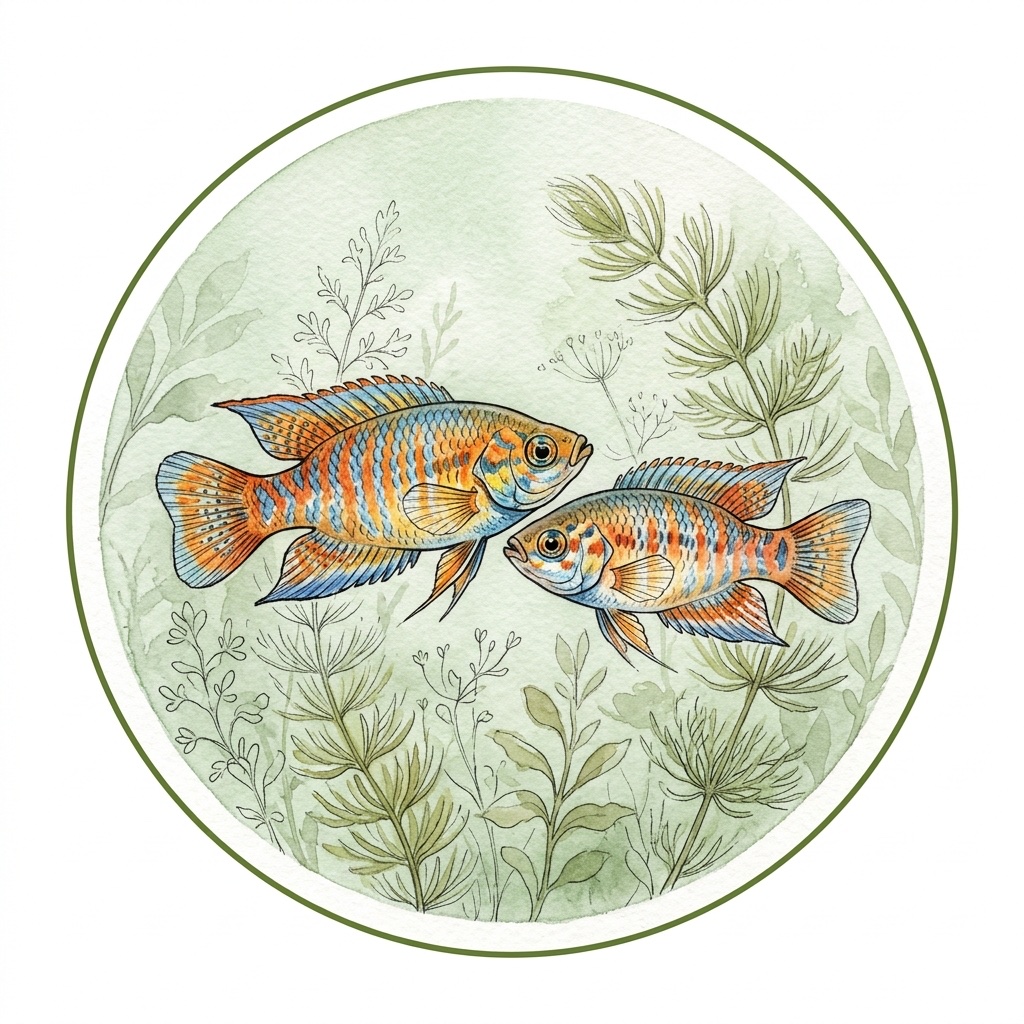
Stage 1 — Courtship
Male Display & Pursuit
Males flare fins, S-dance, chase receptive females continuously
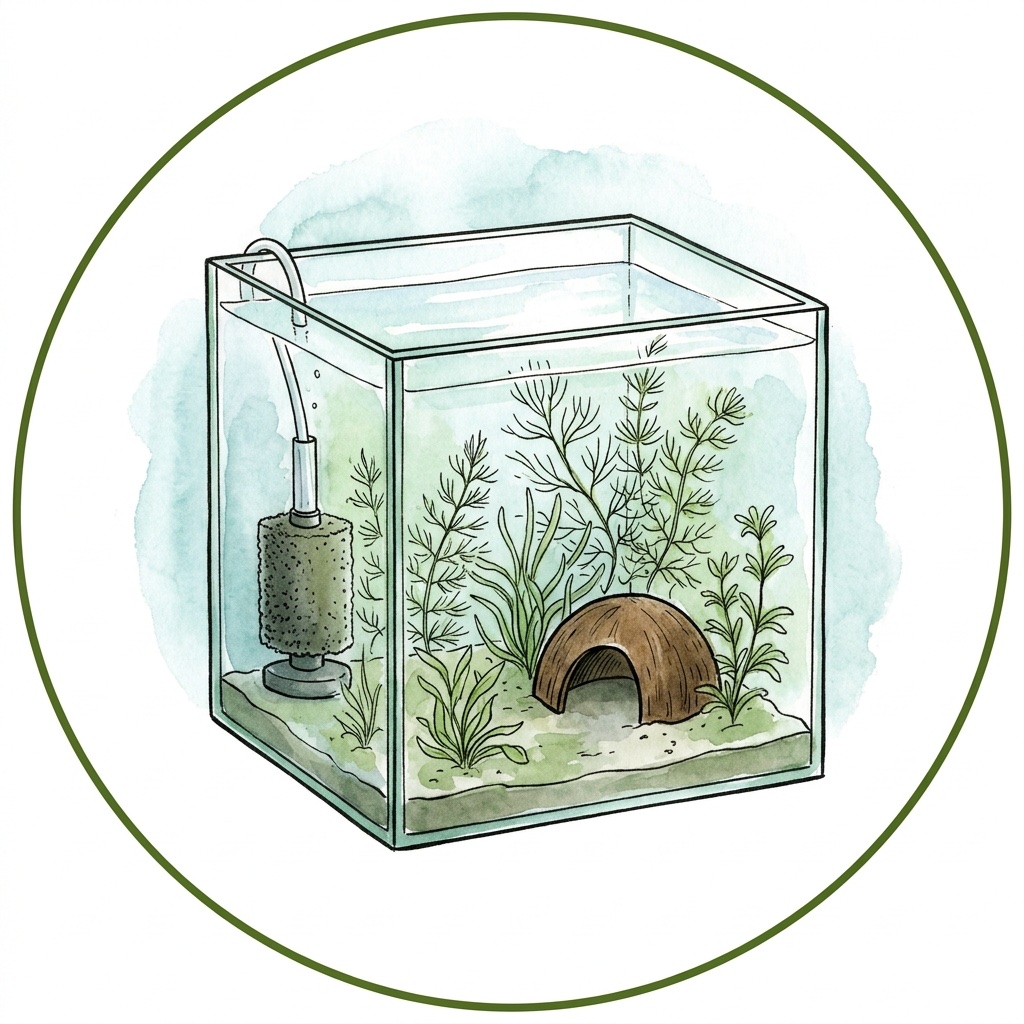
Stage 2 — Internal Fertilisation
Gonopodium Transfer & Sperm Storage
Male delivers spermatophore; female stores sperm for up to 6 months
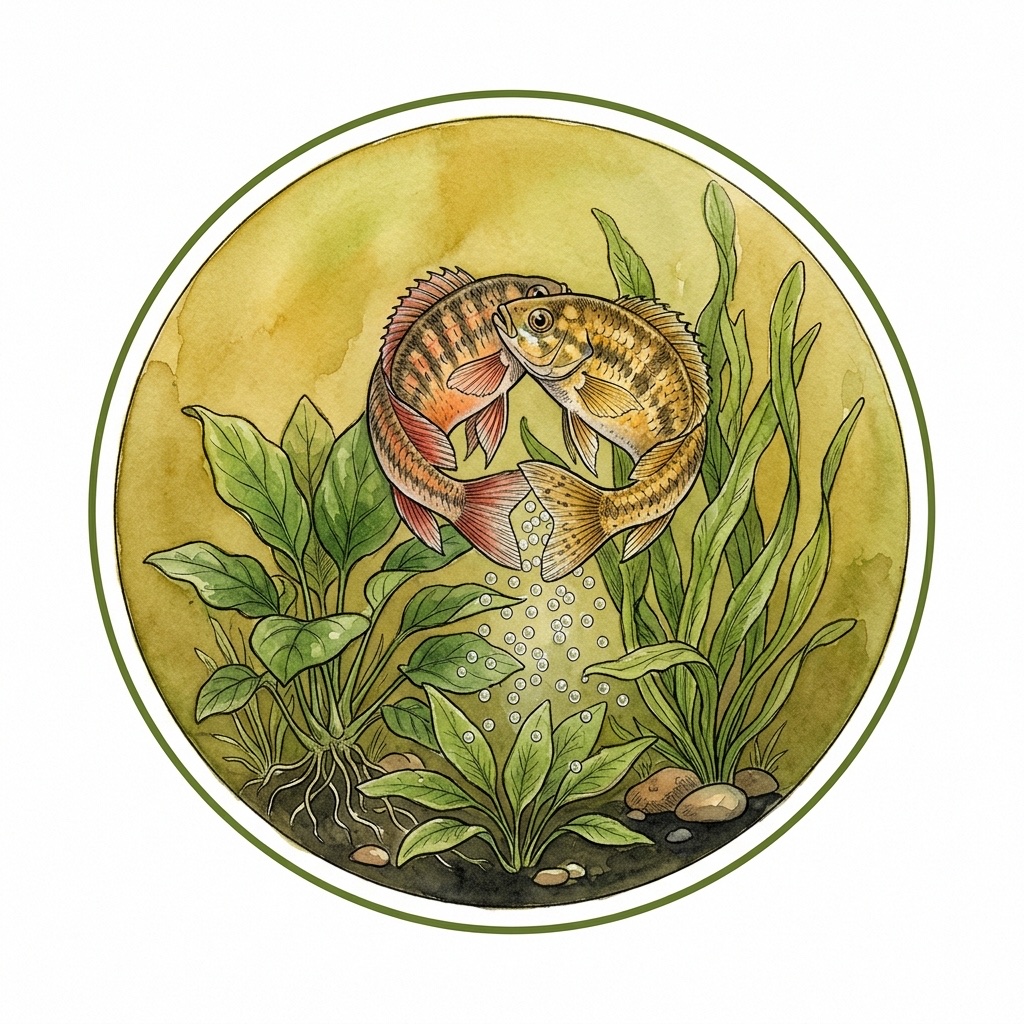
Stage 3 — Gestation (23–26 days)
Internal Embryonic Development
Eggs develop inside the female; gravid spot darkens, belly squares off
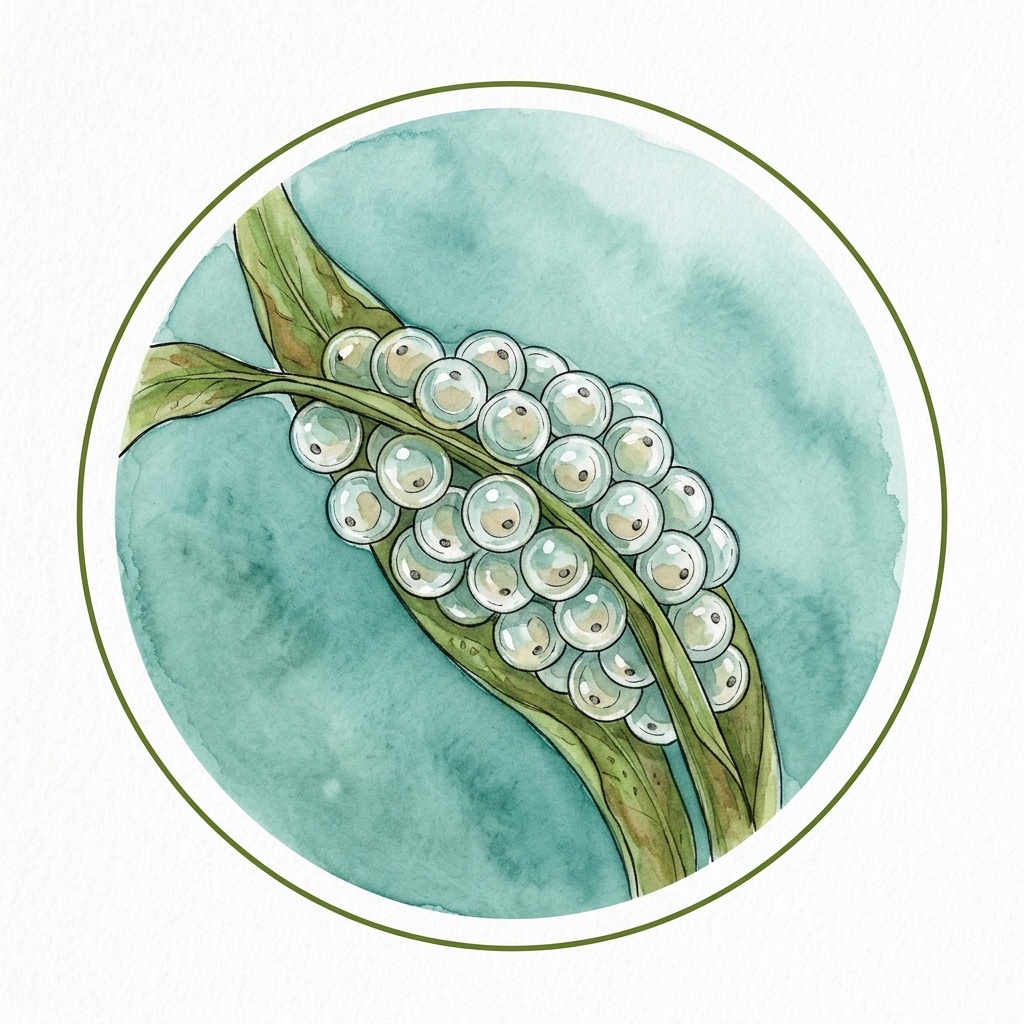
Stage 4 — Parturition
Live Birth (5–30 Fry)
Fully formed fry emerge, swim immediately, hide in plants
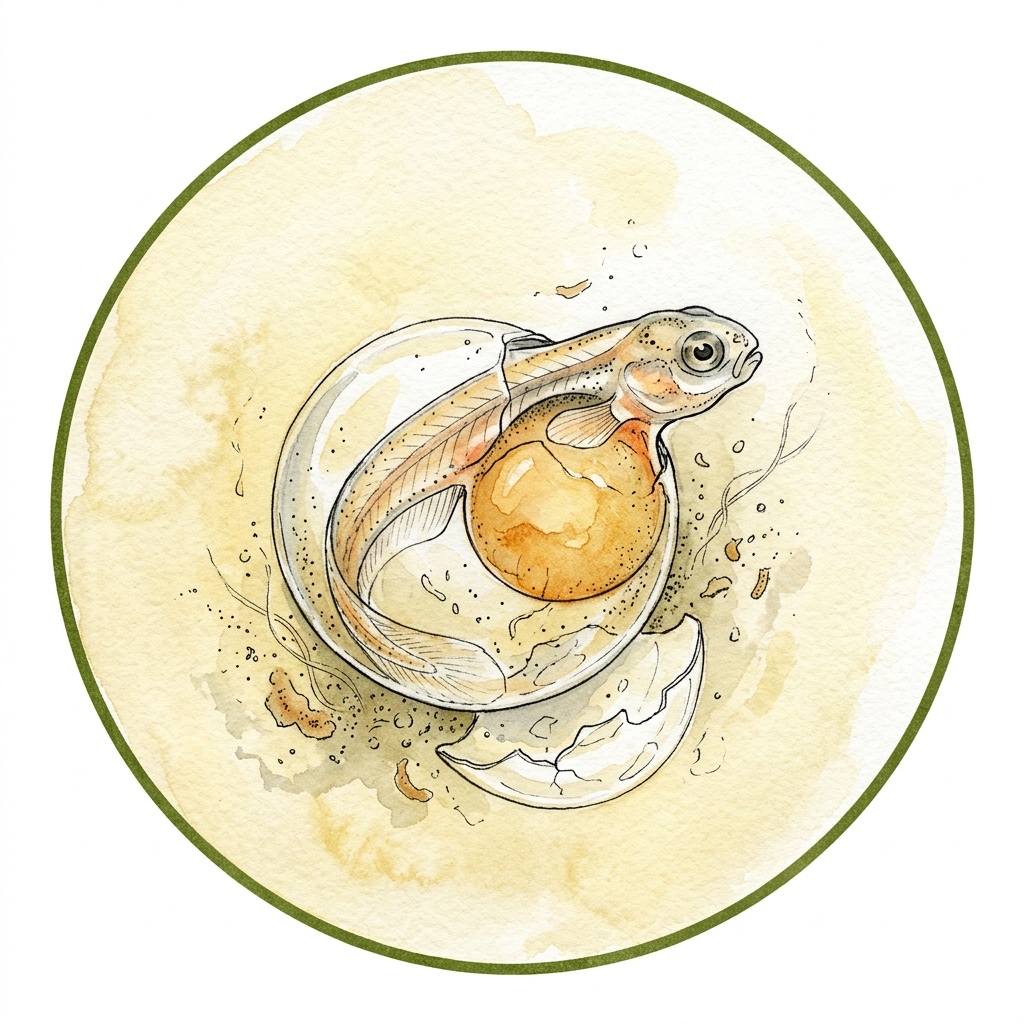
Stage 5 — Fry Growth & Colouration
Juvenile Development
Fry take crushed flake immediately; colour develops by 6–8 weeks; mature at 8–10 weeks
Male Display & Pursuit
Silverado Endler breeding begins the moment you place a sexually mature male and female in the same water. Males reach sexual maturity remarkably quickly — a fry hatched today can be a fully mating adult in just 8–10 weeks, faster than almost any other commercially kept livebearer. Courtship displays are constant and theatrical: the male swims up alongside the female, curls his body into a pronounced S-shape, flares the dorsal fin to a full fiery triangle, and performs short lateral dashes and 90-degree sideways swim-bys. Receptive females slow down and allow the approach; unreceptive females bolt into the plants. In a mixed group of 1 male to 3 females, a male may attempt this display and transfer dozens of times an hour across the waking day — it is a full-time job.
Gonopodium Transfer & Sperm Storage
When a female is fully receptive, the male rotates his gonopodium forward and sideways and achieves brief cloacal contact, transferring a packet of sperm (spermatophore) in a contact lasting well under a second. The transferred sperm are stored in specialised folds of the female’s reproductive tract and remain viable for three to six months — in documented cases up to eight months for exceptional individuals. A single successful mating is therefore enough to produce five or even more successive broods, each roughly every 24–26 days, with no further contact with a male required. This is the most important fact for any new Silverado keeper to understand: a female purchased from any mixed-sex store tank is almost certainly already inseminated and will drop fry regularly for months after purchase, regardless of whether she is subsequently kept with males or not.
Internal Embryonic Development
Gestation in Silverado Endlers is slightly shorter than in mollies or guppies, typically 23–26 days at 25 °C and a little longer (up to 30 days) at cooler temperatures. During this period the embryos develop inside the female, nourished primarily by their individual egg yolks (Endlers, like mollies, are technically ovoviviparous — the eggs hatch internally rather than the mother providing placental-style nutrition). The gravid spot on the lower abdomen darkens progressively; viewed from above, the female’s abdomen takes on a distinctively boxy, angular silhouette as she approaches full term. In the final days she may become noticeably slower, retreat from the main group into quieter corners of the tank, and pick at food less enthusiastically. A well-conditioned female carrying her first brood produces 5–15 fry; a mature female in peak condition commonly drops 20–30 fry per brood.
Live Birth (5–30 Fry)
Parturition typically occurs early in the morning and lasts one to several hours. The female expels fry one or two at a time — each a perfect miniature Endler, 5–7 mm long, fully formed, able to swim immediately. At this tiny size the fry are already striped with faint dark bars and show a pale silvery body; the Silverado pattern is not yet visible but the species shape is unmistakable. There is no parental care at all — the female will happily eat her own fry within minutes of giving birth if they are not hidden by dense floating plants or moss. Female-eating-fry behaviour is the single biggest cause of low fry survival in Silverado tanks; a heavily planted tank with a thick raft of floating plants and a generous clump of java moss routinely produces 10–20 surviving fry per brood without any separate breeder box, while a sparse tank produces perhaps 1–3 survivors per brood.
Juvenile Development
Silverado fry are among the easiest livebearer fry to raise in the entire hobby. From the first day they accept finely crushed flake, powdered fry food, baby brine shrimp, and even micro-sized pellets — no infusoria stage is required, unlike with many egg-laying species. In a well-fed, well-planted tank they grow visibly from week to week: 1 cm at 2 weeks, sexing becomes possible at 4 weeks (watch for the gonopodium beginning to elongate in males and the first hints of silver base colour showing through the juvenile grey), colour emerges through 6–8 weeks as males develop their spot pattern and dorsal flame, and full sexual maturity is reached at just 8–10 weeks — faster than almost any other aquarium fish on the market. The Silverado N-class pattern is a faithful hereditary reproduction; fry from pure N-class parents display the same silver base, metallic spotting and dorsal flame pattern as their father, which is exactly why strain purity matters so much and why pairing a Silverado female with a guppy (even once) destroys the line in a single generation of stored sperm.
Quick Reference
| Scientific Name | Poecilia wingei (N-class ‘Silverado’ strain) |
| Adult Size | Males 2–3 cm, Females 3–4 cm |
| Lifespan | 2–3 years (up to 4 in ideal conditions) |
| pH | 7.0–8.2 (ideal 7.4–7.8) |
| Temperature | 22–28 °C (ideal 24–26 °C) |
| Hardness | 10–25 dGH (hard water preferred) |
| Min Tank Size | 40 L for a group of 6+ |
| Group Size | 6+ minimum; 1 male to 2–3 females, or all-male groups |
| Diet | Omnivore — micro pellet, crushed flake, frozen, blanched veg |
| Care Level | Beginner |
| Temperament | Peaceful, active, shoaling |
| Tank Position | Mid to top water |
| Breeding | Livebearer — stores sperm, 23–26 day gestation, 5–30 fry |
| Salt Tolerance | Tolerates 0.25–1 tsp/gal aquarium salt; supports finnage and slime coat |
| Conservation | Pure N-class — NEVER keep with guppies (hybridisation destroys line) |
| Price (AUD) | $8 |
Related Products

Reviews
Clear filtersThere are no reviews yet.