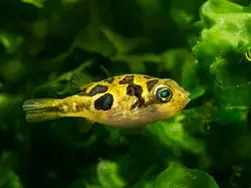
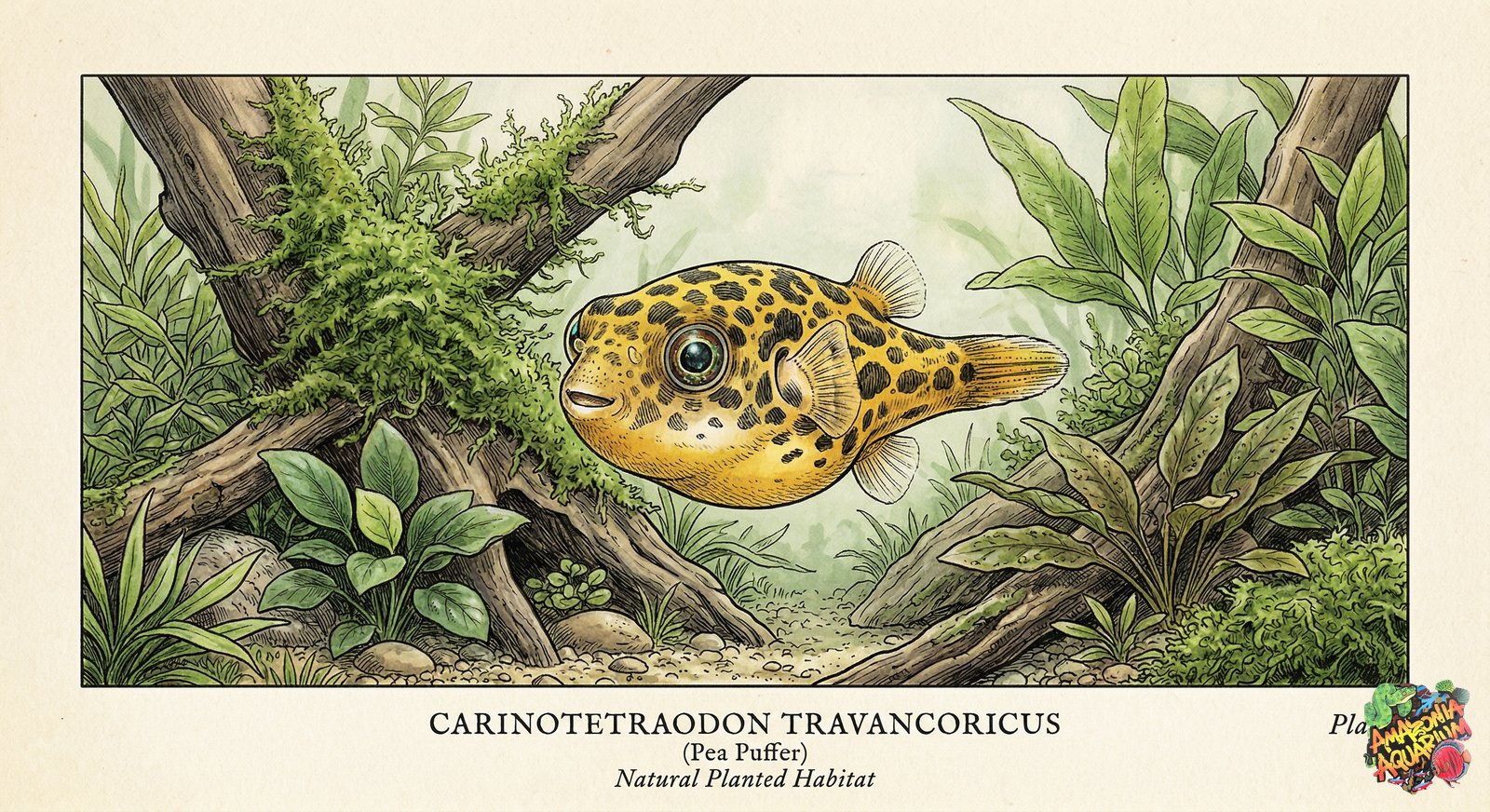
🪨 Species at a Glance
| Scientific Name | Carinotetraodon travancoricus (Hora & Nair, 1941) |
| Common Names | Pea Puffer, Dwarf Puffer, Indian Dwarf Puffer, Malabar Puffer, Pygmy Puffer |
| Family | Tetraodontidae |
| Origin | Kerala & Karnataka, India — Western Ghats rivers and lakes |
| Adult Size | 2.5–3.5 cm (1–1.4 in) |
| Lifespan | 4–5 years |
| pH Range | 6.5–8.0 |
| Temperature | 22–28 °C (72–82 °F) |
| Hardness (dGH) | 4–20 |
| Diet | Carnivore — live and frozen only; snails essential for dental health |
| Minimum Tank Size | 20 L (5 gal) for one; +10 L per additional puffer |
| Care Level | Intermediate |
| Temperament | Curious, territorial, semi-aggressive |
| Brackish | No — 100% freshwater |
| Tank Position | Mid-water to bottom |
The Pea-Sized Predator from India’s Western Ghats
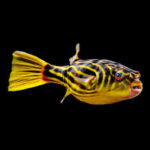
The Pea Puffer earns its common name from its diminutive stature — fully grown adults barely exceed the size of a garden pea. At just 2.5–3.5 cm, Carinotetraodon travancoricus holds the title of the world’s smallest pufferfish, yet what it lacks in size it more than makes up for in personality, intelligence, and hunting prowess.
The species was first scientifically described by Sunder Lal Hora and K. Krishna Nair in 1941 from specimens collected in the rivers of the Malabar Coast in Kerala, India. The genus name Carinotetraodon breaks down from Latin and Greek: carina (keel) + tetra (four) + odon (tooth) — referring to the four fused teeth that form the characteristic beak all pufferfish share. The species name travancoricus refers to Travancore, the historic kingdom in southern Kerala where the type specimen was first collected. In its native habitat, the Pea Puffer inhabits slow-moving rivers, lakes, and backwaters of the Western Ghats mountain range — a UNESCO World Heritage biodiversity hotspot. Despite its global popularity, wild populations face significant pressure from habitat loss and overharvesting, and the species is currently listed as Vulnerable on the IUCN Red List.
Unlike most pufferfish species that require brackish or full marine conditions, the Pea Puffer is entirely freshwater throughout its life, making it uniquely accessible to tropical freshwater aquarists. What truly sets it apart from other nano fish is its remarkable intelligence. Owners consistently report that their puffers recognise individual humans, track movement with independently rotating eyes (much like a chameleon), hunt strategically with patience and precision, and display distinct personalities — some are bold explorers, others shy observers. This combination of personality, beauty, and manageable size has made the Pea Puffer one of the most popular nano fish in the hobby and a gateway species for fishkeepers interested in the fascinating world of pufferfish.
Community Tank — Choose Neighbours Carefully
The honest truth about Pea Puffer communities is that the safest and most stress-free option is a species-only tank. These are territorial carnivores whose instinct is to defend space and hunt smaller creatures. Individual personality variation is extreme — your puffer might be relatively docile, or it might be a tiny serial killer that systematically eliminates every tankmate’s fins. Shrimp are food, not friends, and fin nipping is almost guaranteed with any long-finned or slow-moving species.
If you do choose to attempt a community setup, use a minimum 80-litre tank with extensive planting and broken sightlines throughout. The most successful companions are fast-moving, short-finned fish or armoured species that occupy different zones of the tank — otocinclus, corydoras, and kuhli loaches are the classic choices. Monitor daily for the first two weeks and always have a backup plan (a spare tank) ready if aggression becomes unmanageable. Never add slow-moving, long-finned species, and accept that all shrimp smaller than adult Amano size will become expensive snacks.
| Species | Why | |
|---|---|---|
| ✅ | Otocinclus | Fast, armoured algae eaters that stay out of puffer territory; one of the safest companions |
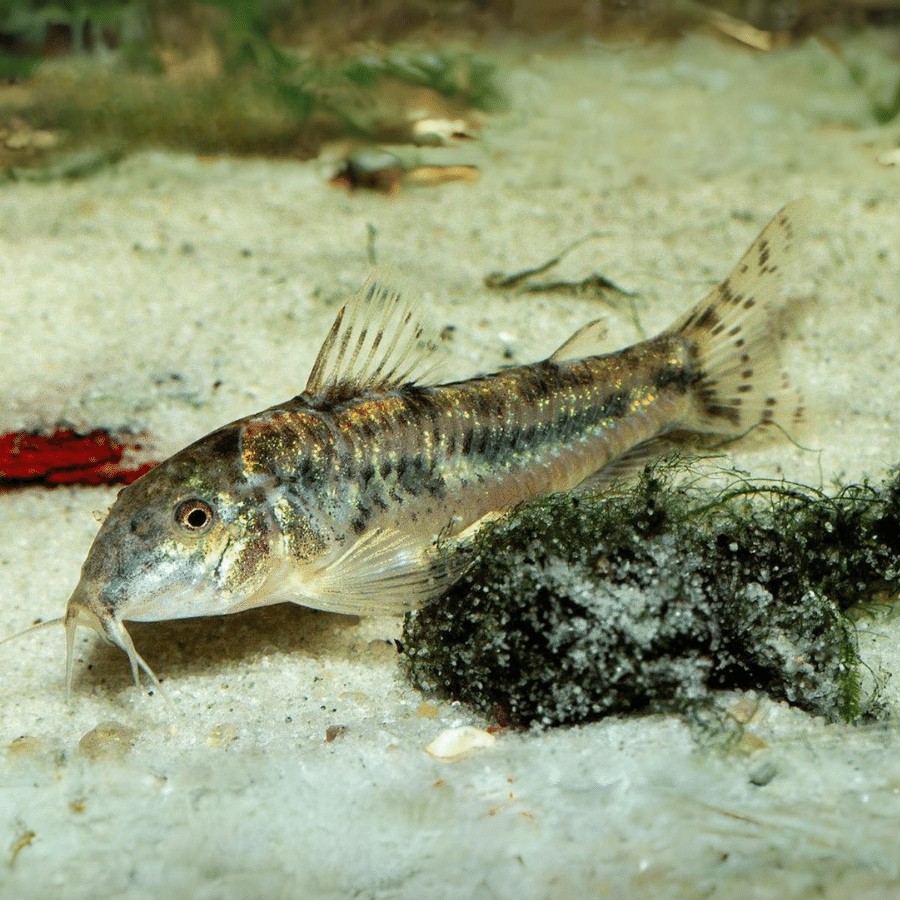
| ✅ | Sterbai Cory | Armoured bottom-dwellers that occupy a different zone; peaceful and largely ignored by puffers |
| ✅ | Kuhli Loach | Nocturnal, eel-like body shape makes them difficult for puffers to target; a good bottom-level companion |
| ✅ | Ember Tetra | Fast, tiny schoolers that can evade puffers; monitor for fin nipping in smaller tanks |
| ✅ | Celestial Pearl Danio | Similar size and water requirements; works in heavily planted tanks of 80 L+ with close monitoring |
| ❌ | Red Cherry Shrimp | Pea Puffers are natural shrimp predators — small shrimp will be hunted and eaten within days, regardless of how well-fed the puffer is |
| ❌ | Guppy | Long flowing fins are an irresistible target; guppies are too slow to escape relentless nipping |
| ❌ | Betta | Flowing fins invite constant nipping; territorial conflict between two highly territorial species |
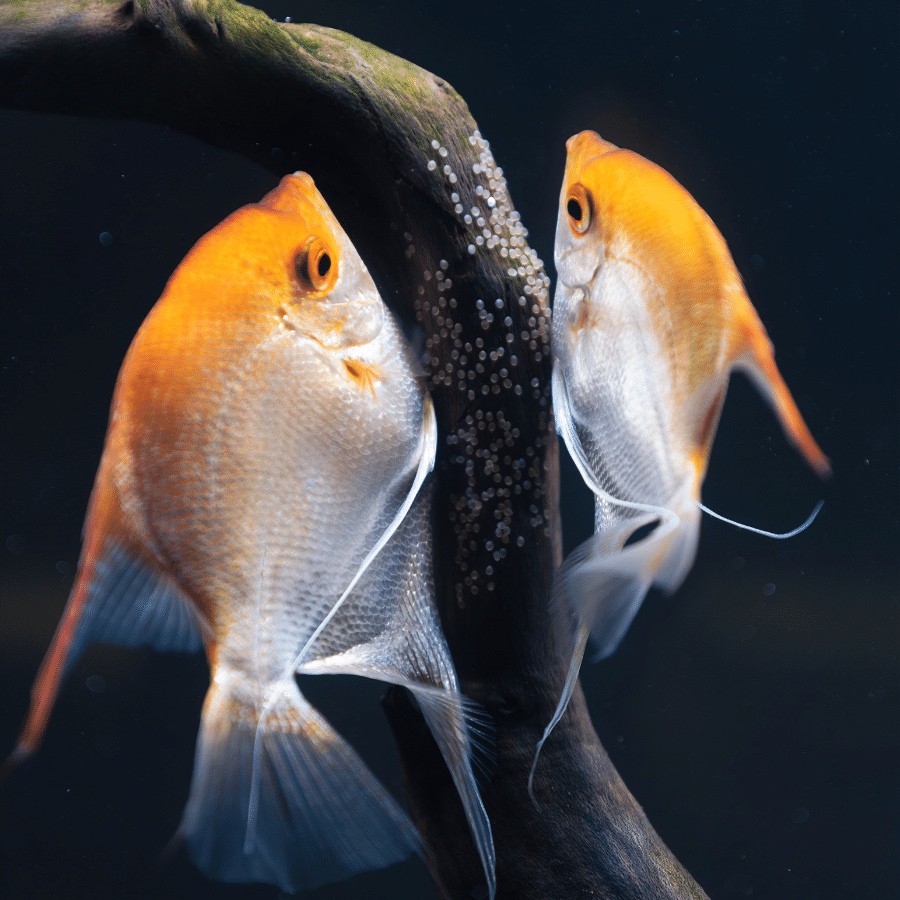
| ❌ | Angelfish | Significant size mismatch, different flow and space requirements, and trailing fins attract nipping |
Tank Setup — A Jungle for a Tiny Predator
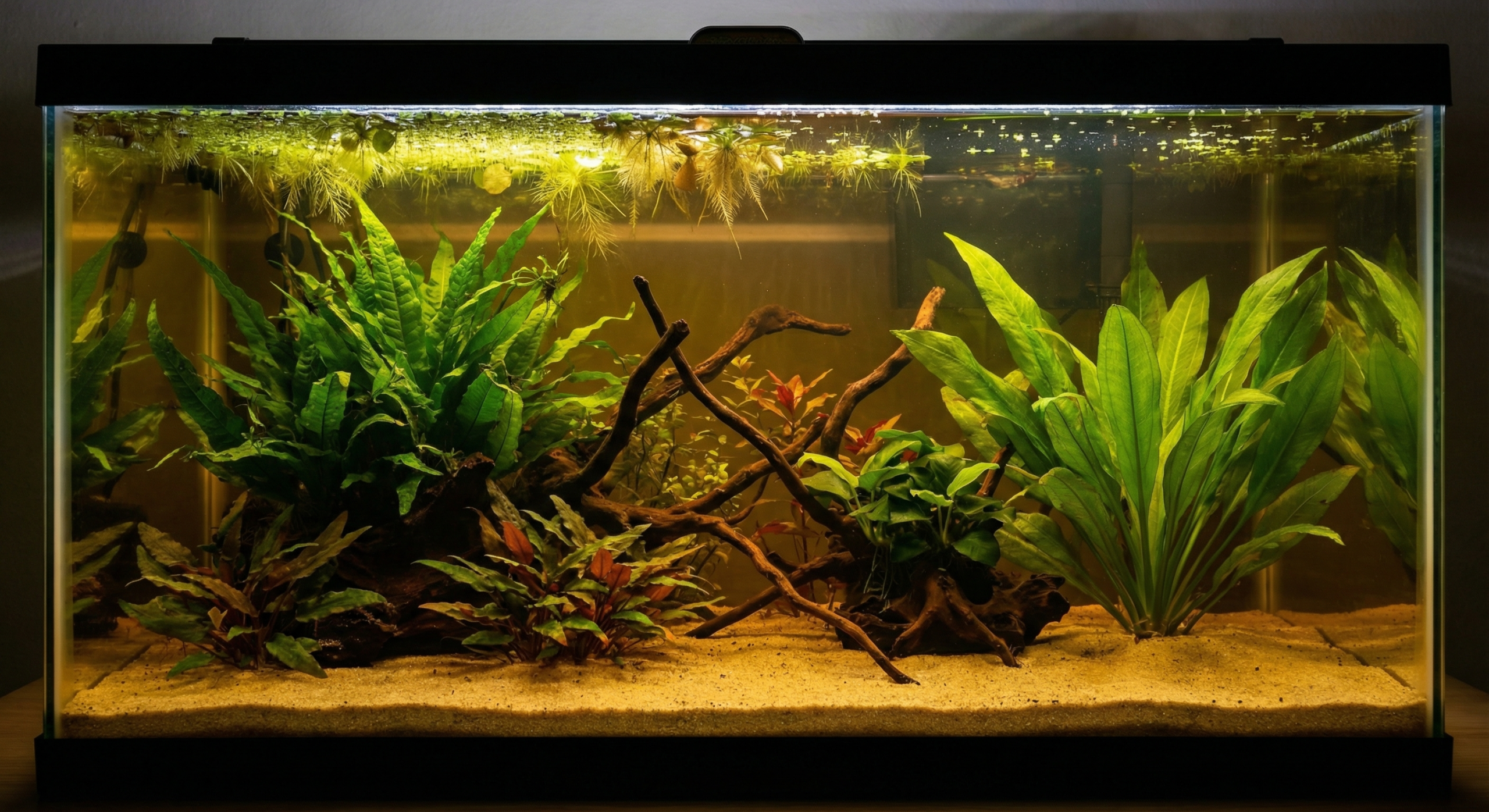
The single most important factor in a successful Pea Puffer tank is dense planting. These territorial fish manage aggression almost entirely through broken sightlines — when a rival disappears behind a curtain of stems, the confrontation ends. Without adequate plant cover, dominant individuals will relentlessly pursue subordinates, leading to stress, colour loss, and potentially death.
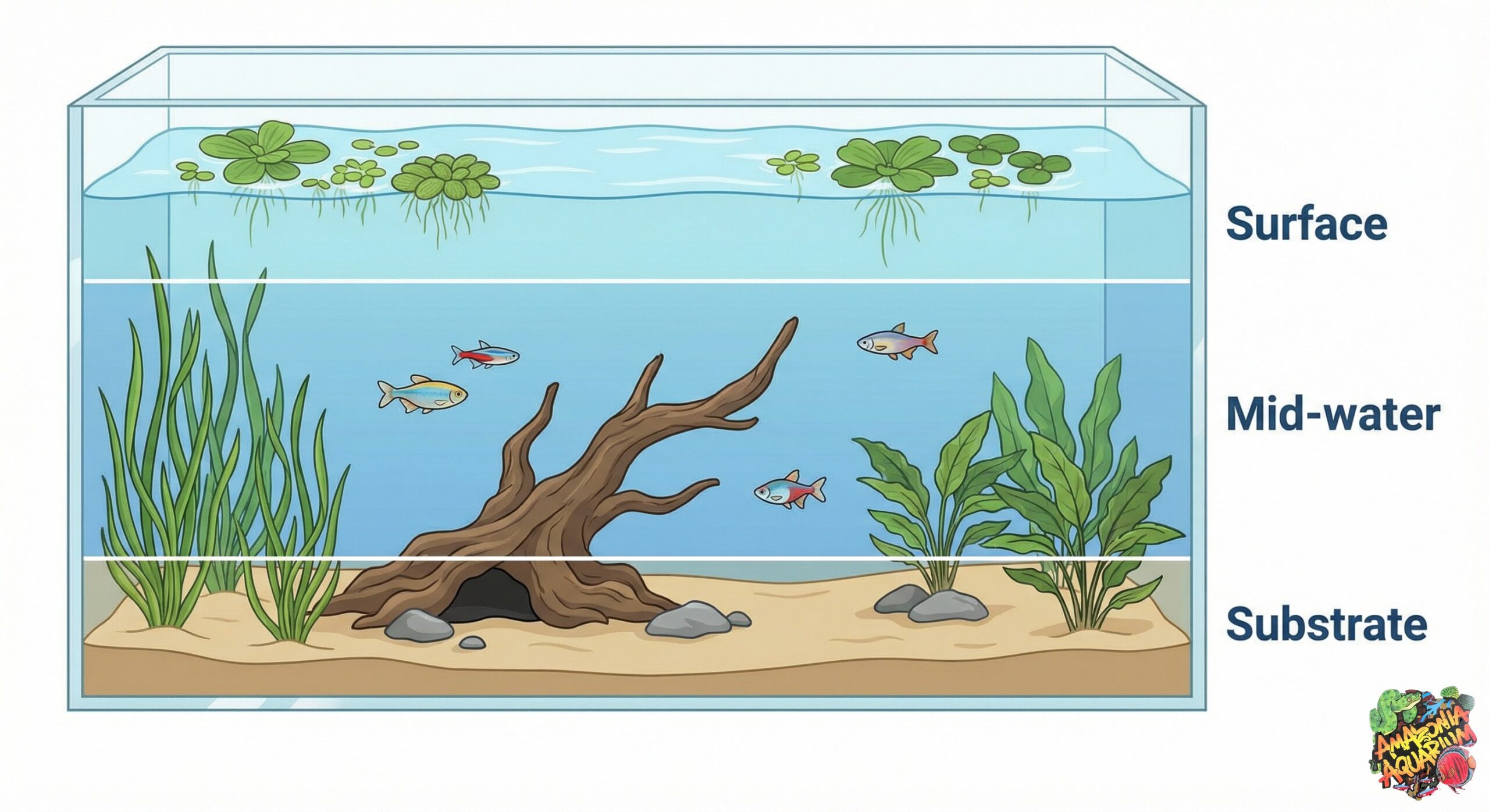
A minimum 20-litre tank suits a single puffer, with an additional 10 litres per extra fish. For groups of four to six, a 60–80 litre tank with lush jungle-style planting is ideal. Recommended plants include Vallisneria for a background curtain, Cryptocoryne species for the mid-ground, Anubias nana and Java Fern attached to hardscape, and Java Moss for carpet coverage and microfauna habitat. Floating plants — Salvinia, Amazon Frogbit, or Red Root Floaters — are highly recommended to diffuse overhead light, add cover, and reduce stress.
For hardscape, choose driftwood with holes and crevices that create natural hiding spots and territory markers. Smooth river rocks provide resting surfaces that puffers enjoy. Avoid anything sharp or rough, as Pea Puffers have soft, scaleless skin that is easily damaged. A fine sand or smooth gravel substrate works best — dark substrates bring out the species’ golden-green colouration most vibrantly. Bare tanks with no cover are strongly discouraged; stressed Pea Puffers lose colour, hide constantly, and become susceptible to disease.
Tank
20 L (5 gal) minimum for a solo puffer; 40 L for a pair/trio; 60–80 L for a group of 4–6
Filter
Sponge filter preferred — gentle flow, biological filtration, safe for small fish. Baffle HOB filters if used.
Heater
50 W per 40 L, adjustable, with a guard to prevent burns on curious puffers. Set to 24–26 °C.
Thermometer
Digital or glass, placed away from the heater for accurate ambient temperature reading.
Lighting
Low to medium LED for plant growth. Pea Puffers dislike intense lighting; use a timer for 8–10 hours daily.
Lid
Tight-fitting lid to prevent evaporation and maintain humidity for surface plants. Pea Puffers rarely jump but a lid is still recommended.
Substrate
Fine sand or smooth gravel; dark substrates enhance the species’ golden-green colouration.
Plants & Hardscape
Dense stem plants, floating plants for cover, driftwood with crevices, smooth rocks. Break every sightline.
Water Parameters — Clean, Warm, and Gentle
6.5–8.0
ideal 7.2
22–28 °C
ideal 25 °C
4–20 dGH
Soft to moderately hard; adaptable across a wide range
In the wild, Pea Puffers inhabit slow-moving rivers, lakes, and backwaters of India’s Western Ghats — warm, densely vegetated waterways with gentle flow. In the aquarium, replicating these conditions is straightforward. The species tolerates a broad range of pH (6.5–8.0) and hardness (4–20 dGH), making it compatible with most municipal tap water without modification. Sydney tap water, with its typical pH of 7.0–7.6 and moderate hardness, is naturally well-suited.
Despite this adaptability, Pea Puffers are sensitive to ammonia and nitrite spikes — the tank must be fully cycled before any puffers are introduced. Their protein-rich carnivorous diet produces a disproportionate bioload for their size, meaning regular water changes (25–30% weekly) are non-negotiable. Consistent parameters matter more than hitting a precise number; avoid rapid fluctuations in temperature or pH. Weekly water testing with a liquid test kit is strongly recommended, especially during the first three months.
A gentle flow is essential — these fish come from slow-moving waters and will become stressed in strong currents. A sponge filter provides the perfect balance of biological filtration and minimal flow. If nitrate levels climb above 20 ppm between water changes, consider increasing change frequency or volume rather than relying on chemical filtrants.
Colour Variation — Mood, Condition, and Display
🟢 Wild Type
Golden-yellow body covered in dark green to brown leopard-like spots; the classic and most commonly seen colouration in healthy, settled specimens.
⚫ Dark Phase
Dramatically darkened body with intensified spots and a near-black ventral area; displayed by dominant males during territorial confrontations or courtship.
⚪ Pale Phase
Washed-out yellow with faded spots; commonly seen in stressed, newly arrived, or subordinate individuals and typically resolves within a few days of settling in.
🟡 Gravid Female
Noticeably rounded body with a lighter, more uniform yellow tone and softened spotting; indicates a female carrying ripe eggs and ready for spawning.
Unlike many aquarium species that have been selectively bred into distinct colour morphs, Pea Puffers display a single wild-type pattern with significant individual variation in intensity and mood-driven colour change. A healthy, dominant male in a well-planted tank will show vivid golden-yellow colouration with sharply defined dark green spots, while a stressed or newly introduced fish may appear almost grey. This dynamic colour expression is one of the species’ most fascinating traits — experienced keepers learn to read their puffer’s mood and health at a glance simply by observing colour intensity. Warm water, a varied live diet rich in carotenoids, dark substrate, and dense planting all contribute to the most vibrant colouration.
Diet & Feeding — A Carnivore That Won’t Touch Flakes
Pea Puffers are obligate carnivores — they will not eat flakes, pellets, or any dry food under any circumstances. Their diet must consist entirely of live and frozen meaty foods. This is the single most important care requirement to understand before acquiring the species, as it demands a commitment to sourcing appropriate food on an ongoing basis.
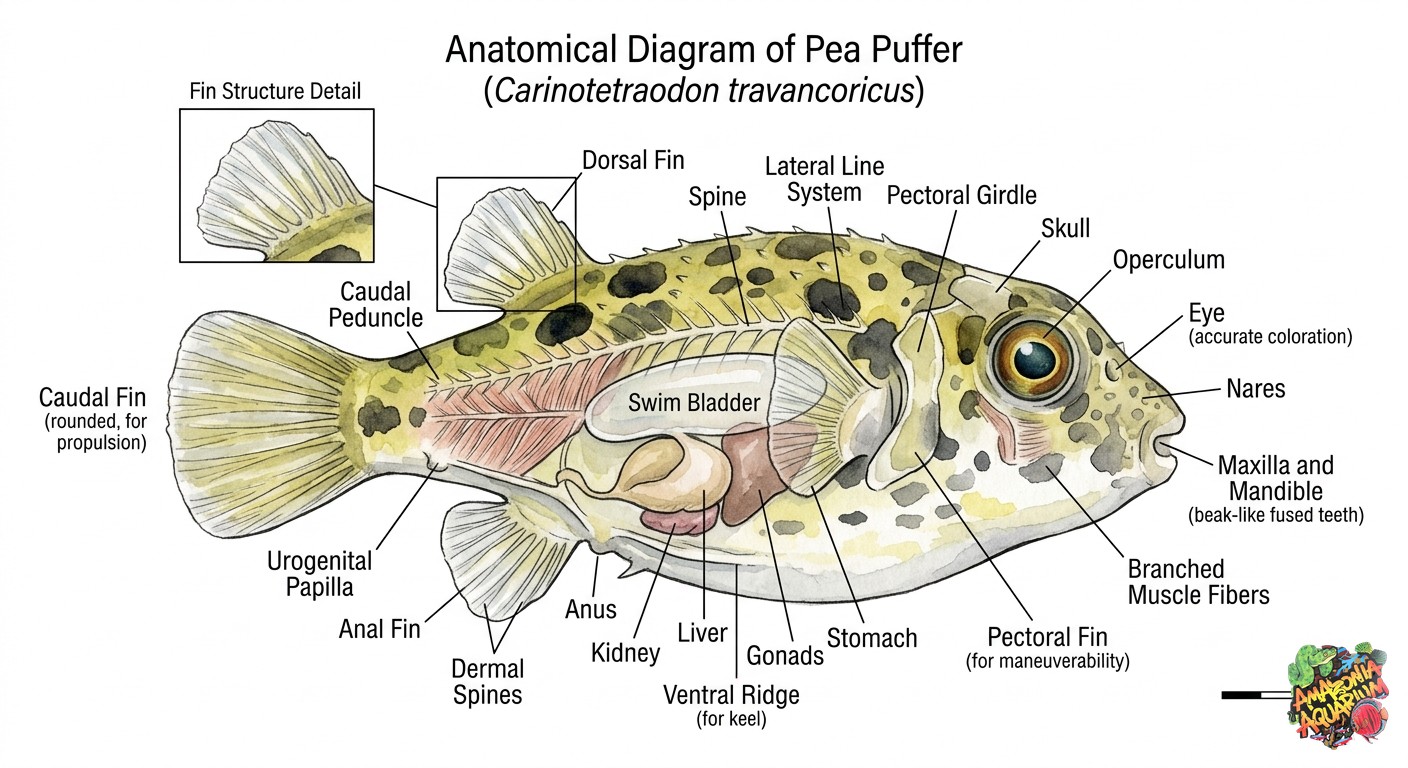
The dietary cornerstone is snails. Pea Puffers have four fused teeth (the characteristic pufferfish ‘beak’) that grow continuously throughout their life. Without hard-shelled prey to grind against, the teeth overgrow and prevent the fish from eating — a condition that is frequently fatal. Maintain a breeding colony of bladder snails or small ramshorn snails in a separate container as a perpetual food source; this is non-negotiable for long-term Pea Puffer health.
Beyond snails, the diet should include live or frozen bloodworms (the universal puffer favourite, though limit frequency to avoid fatty liver), frozen brine shrimp and daphnia for variety, and live blackworms or grindal worms as high-protein treats. Portion size is critical: feed just 2–3 small items per puffer per meal, as their stomach is roughly the size of their eye. One fast day per week aids digestion and mimics natural feeding patterns. New arrivals may refuse frozen foods initially — start with live foods to stimulate feeding, then gradually introduce frozen options.
Breeding — Spawning the World’s Smallest Puffer
Day 1–14
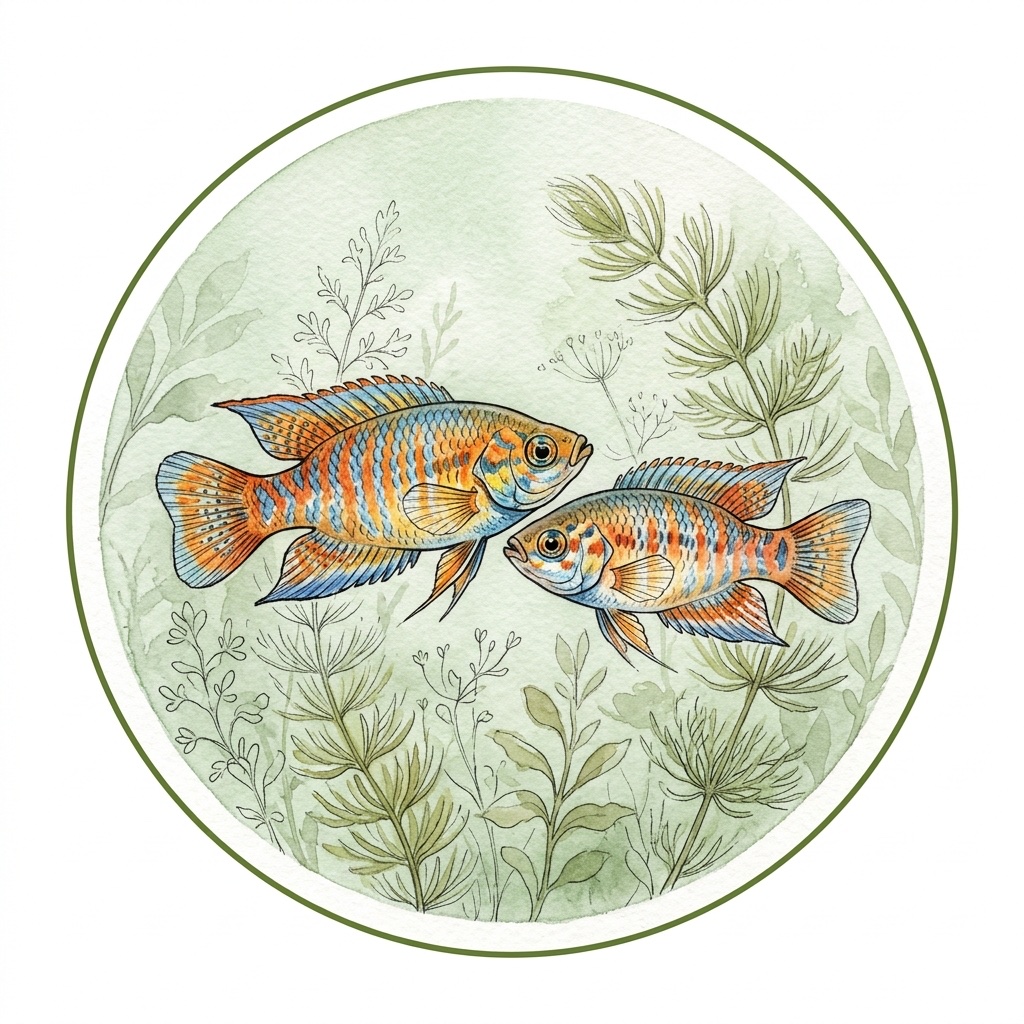
Conditioning
Separate sexes and feed heavily with live foods
Day 15–17
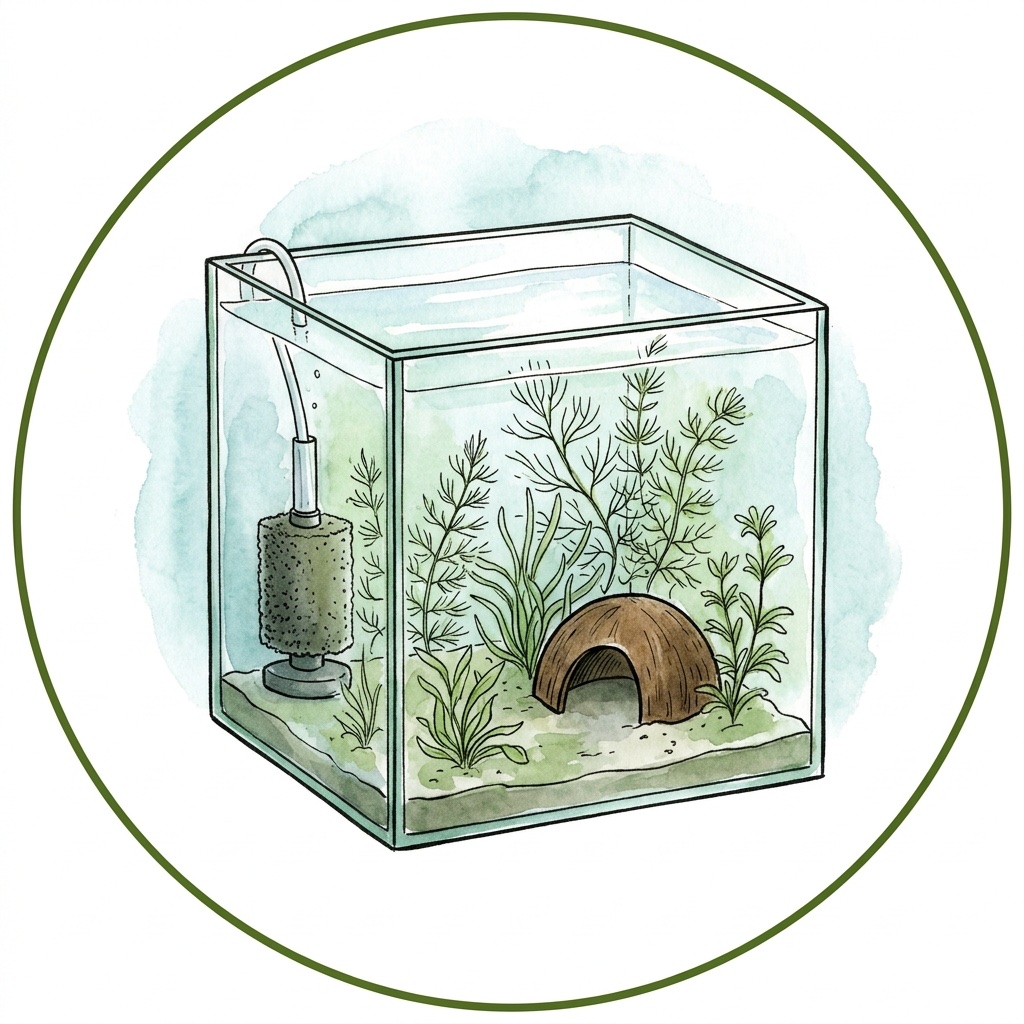
Courtship & Spawning
Male displays and leads female to spawning site among fine-leaved plants
Day 16–18
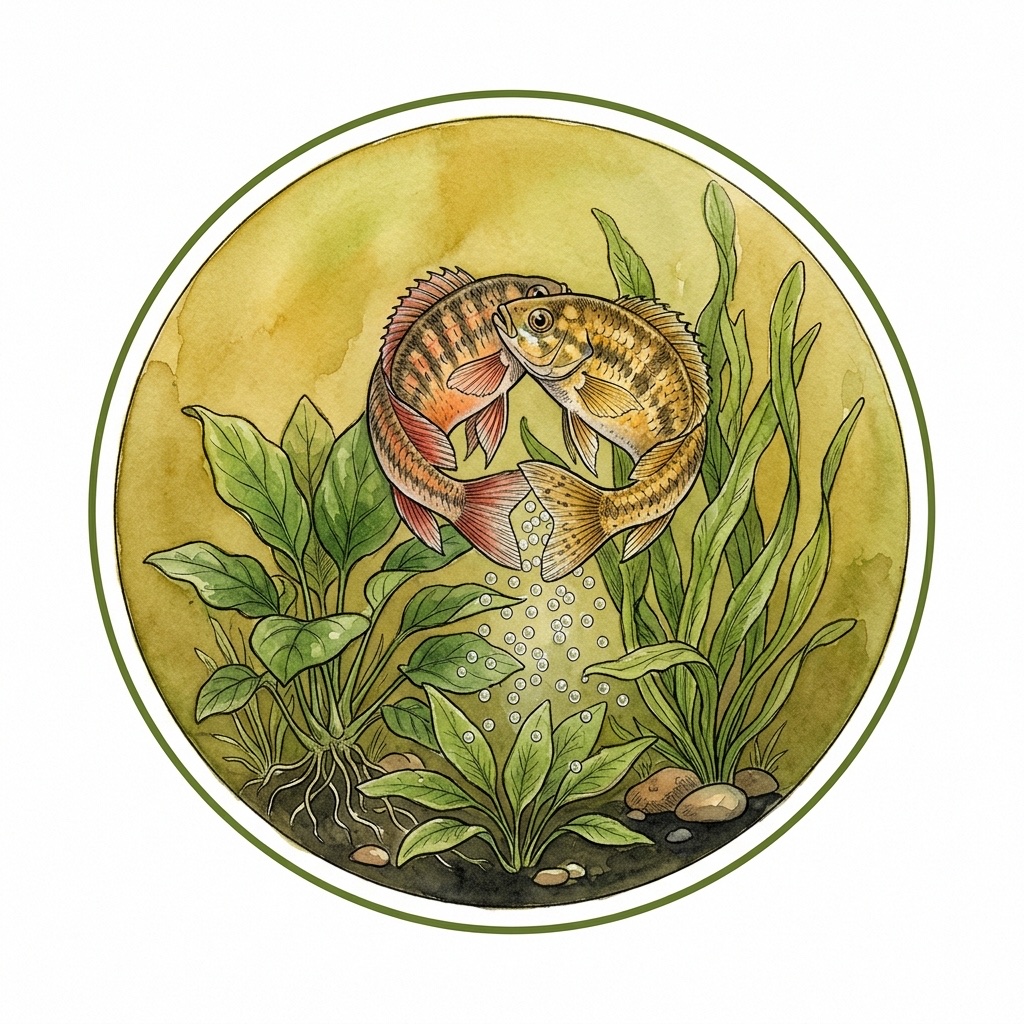
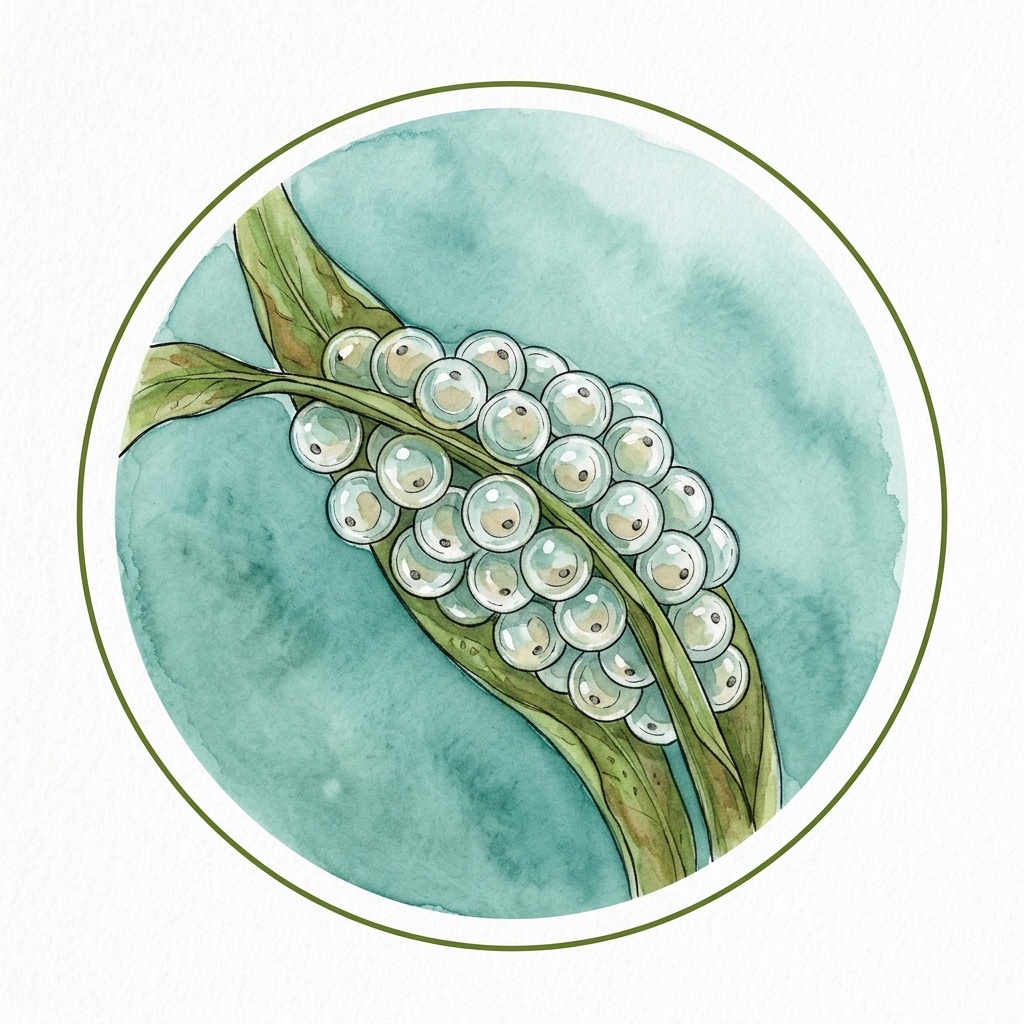
Egg Watch & Removal
Remove parents immediately — Pea Puffers show zero parental care
Day 20–22
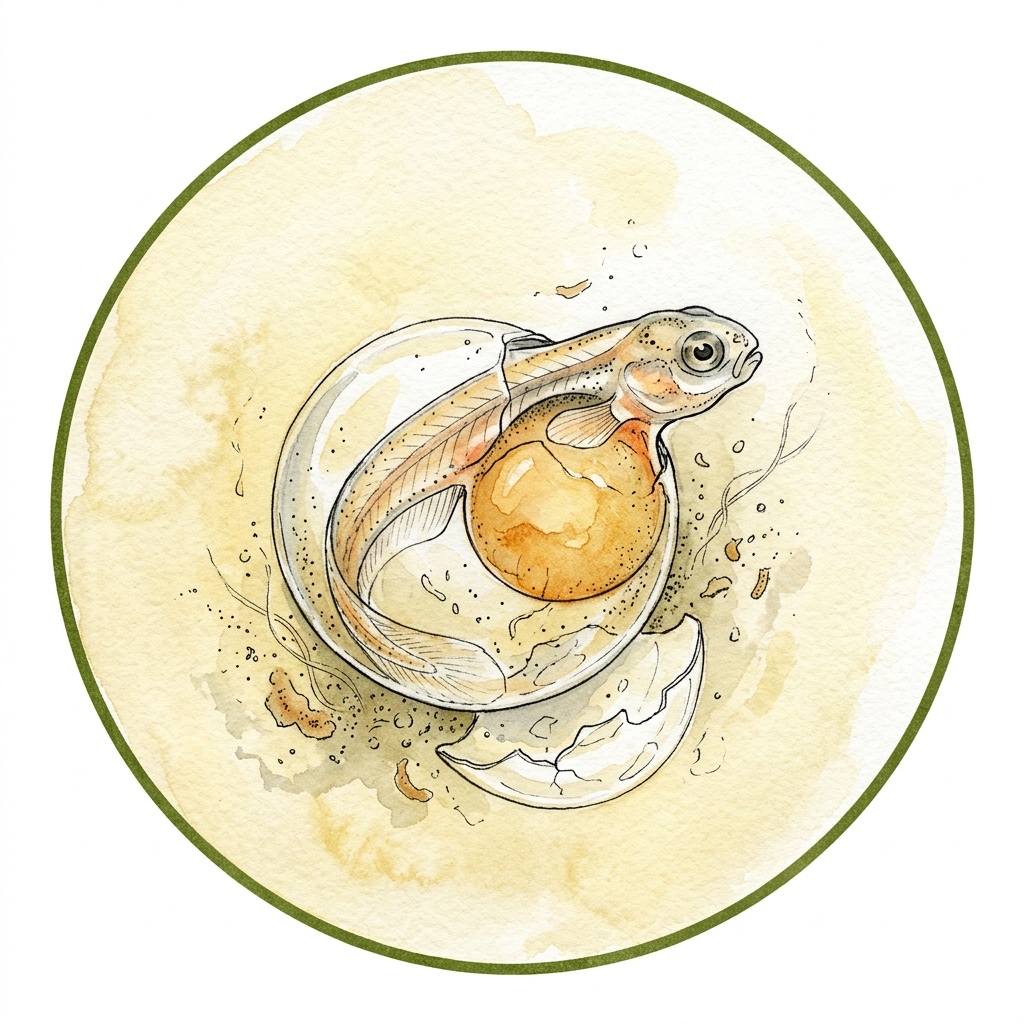
Hatching
Eggs hatch in 5–7 days; fry are minute (~2 mm) and rely on yolk sac
Day 23–25
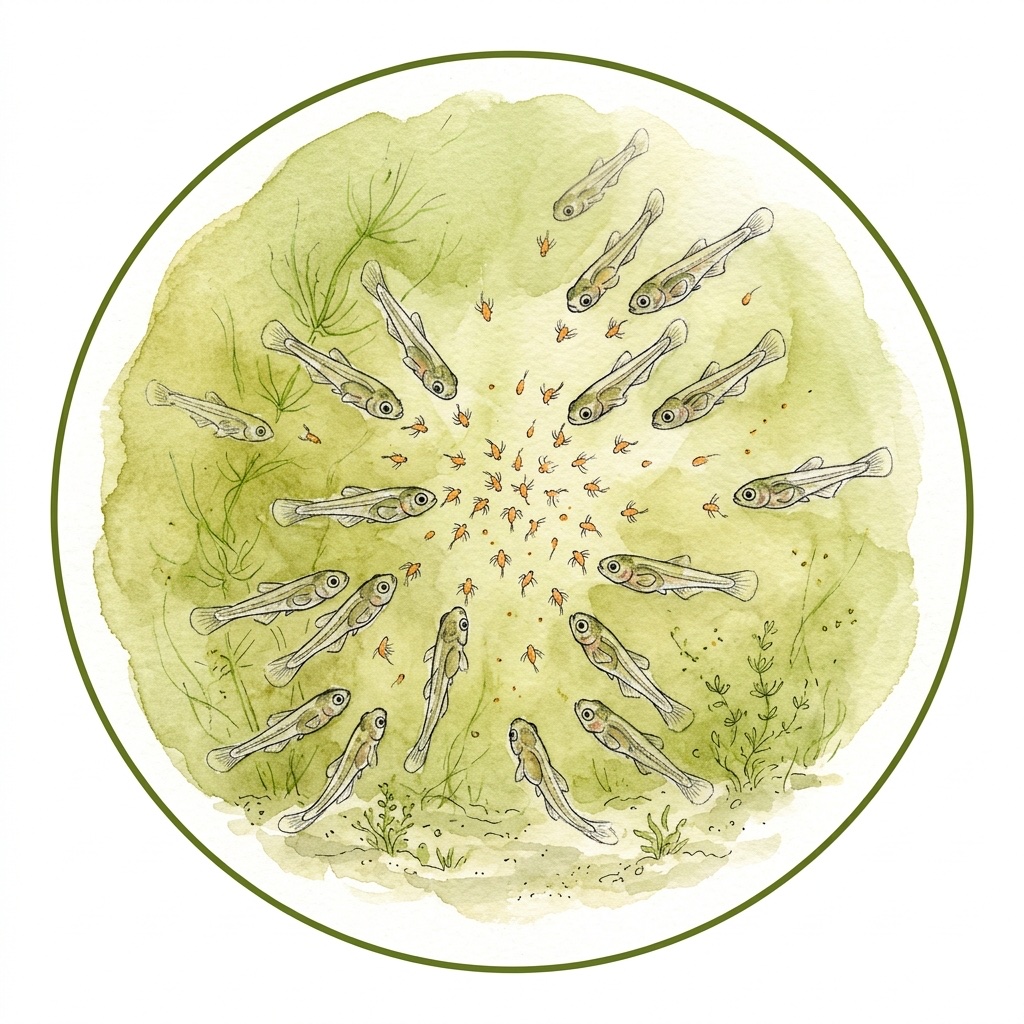
First Feeding
Fry need infusoria or vinegar eels — too small for baby brine shrimp
Day 60+
Juvenile Growth
Fry grow slowly; sex distinguishable at ~3 months
Conditioning
Condition the breeding pair by separating males and females for one to two weeks. Feed generously with live foods — snails, bloodworms, and blackworms — to bring both fish into peak condition. Increase water changes to 30% every three days. The female should visibly round out with eggs, and the male should display his most vibrant colours with a darkened ventral stripe.
Courtship & Spawning
Reintroduce the conditioned pair to a dedicated breeding tank with dense Java Moss. The male initiates courtship with darkened colours, body trembling, and leading the female toward the spawning site. The female deposits 1–5 tiny eggs at a time among fine-leaved plants; eggs are approximately 1 mm, clear to amber, and adhesive. A total clutch of 5–15 eggs per spawning session is typical. Spawning may occur over one to two days.
Egg Watch & Removal
Unlike bubble-nesting gouramis, Pea Puffers provide absolutely no parental care and will readily consume their own eggs and fry. Remove both parents from the breeding tank as soon as spawning is complete. Keep the water temperature stable at 26 °C and maintain gentle aeration from a sponge filter. The tiny eggs are difficult to spot among Java Moss — use a magnifying glass and good lighting to confirm their presence.
Hatching
At 26 °C, eggs typically hatch within five to seven days. The newly hatched fry are extraordinarily small — approximately 2 mm — and rely entirely on their yolk sac for the first two to three days. Do not feed during this stage. Maintain pristine water quality with very gentle filtration; even a standard sponge filter intake can trap fry at this size, so cover it with fine mesh or pantyhose.
First Feeding
Once the yolk sac is absorbed and fry are actively swimming, begin feeding with infusoria, paramecium cultures, or vinegar eels. The fry are too small for freshly hatched baby brine shrimp (BBS) at this stage. Feed small amounts multiple times daily, removing any uneaten food to maintain water quality. Transition to BBS once fry reach approximately 5 mm in length, typically around two to three weeks after hatching.
Juvenile Growth
Pea Puffer fry grow slowly compared to many aquarium species — expect approximately 1 cm at eight weeks. Juveniles can be moved to a grow-out tank once they are actively hunting BBS and small daphnia. Sex becomes distinguishable at around three months when the male ventral stripe begins to develop. A typical survival rate of 30–60% is considered good. Captive-bred specimens tend to be hardier and more adaptable than wild-caught fish.
Male vs Female — Telling Them Apart
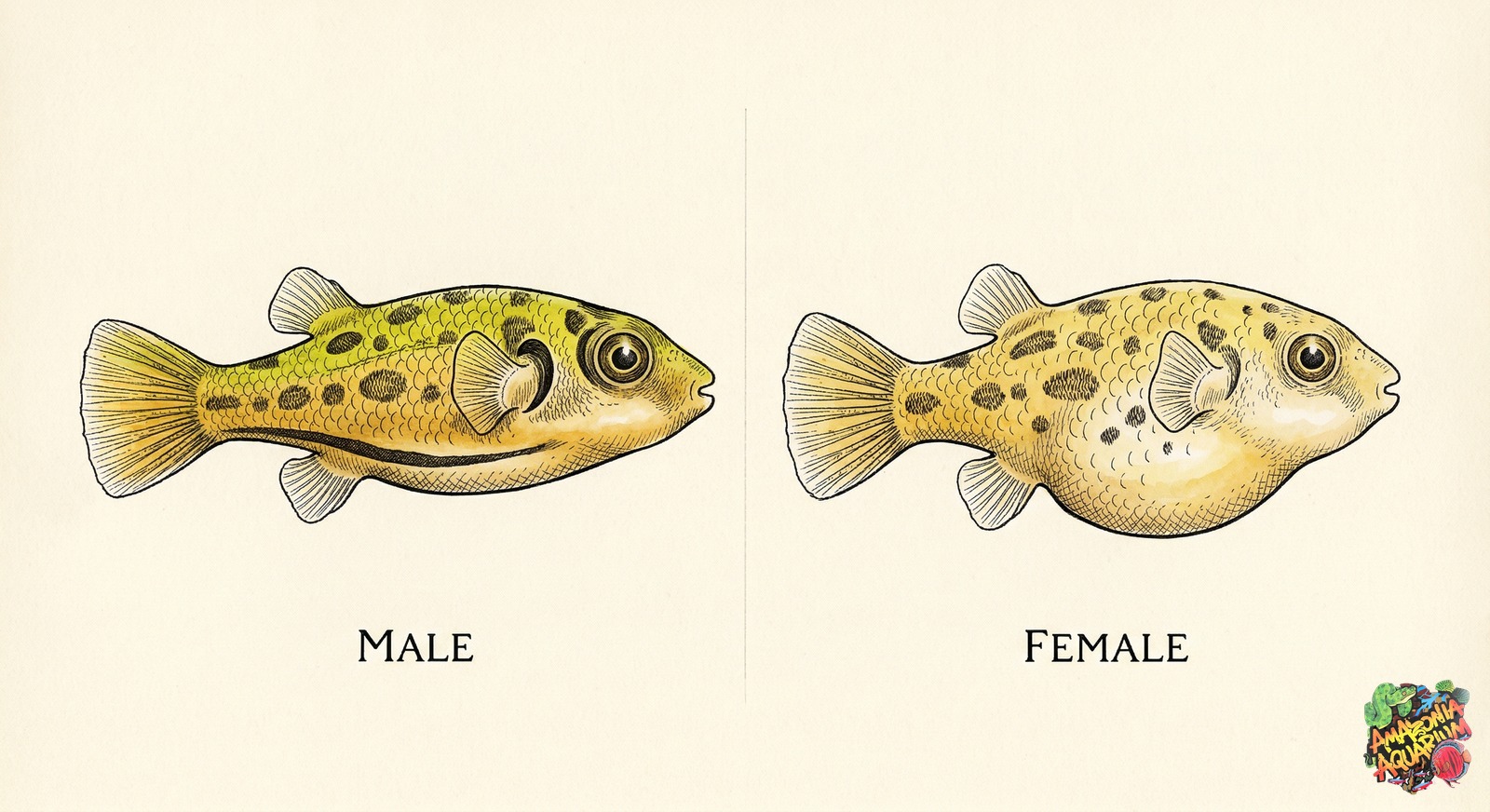
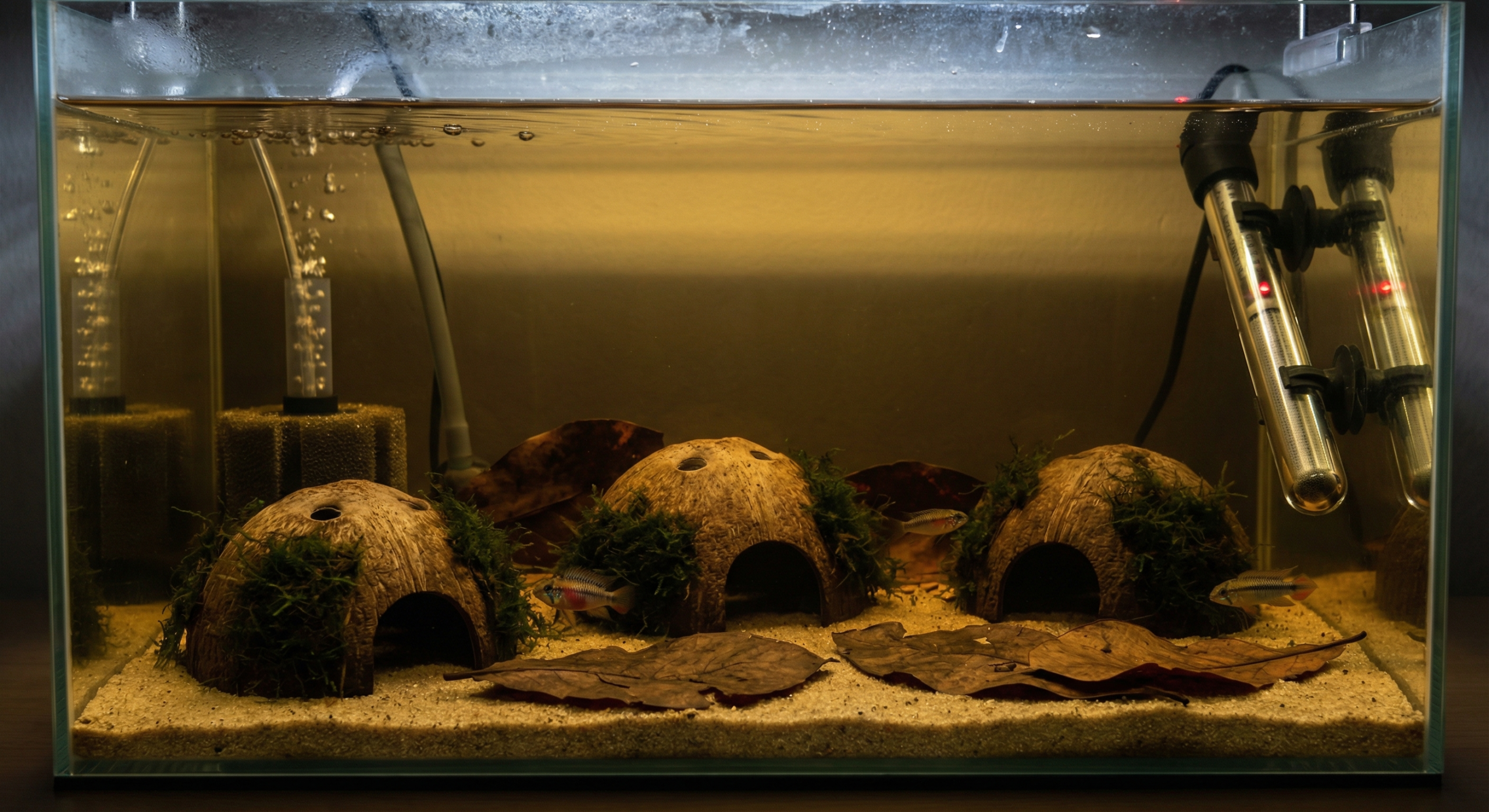
Pea Puffers display clear sexual dimorphism once mature (typically at 4–6 months), making them one of the easier pufferfish to sex accurately. The single most reliable indicator is the dark ventral stripe (keel line) that runs along the belly of males — females lack this entirely, showing only a plain white or pale underside. In good lighting with the fish at rest, this stripe is clearly visible and definitive.
The second key marker is the eye wrinkle — a dark crescent mark behind each eye on males, sometimes called the ‘ear’. This is best viewed from above or at a slight angle. Males also tend to be more vibrantly coloured overall, with sharper spot definition and the ability to flash dramatic dark patterns during display. Behaviourally, males claim territories, perform body-shimming displays to females, and confront rival males with puffed-up postures.
Juveniles under three months are nearly impossible to sex reliably, so patience is essential when selecting breeding stock. For a group of Pea Puffers, maintain a ratio of one male to two or three females. Multiple males can coexist in a well-planted tank of 60 litres or more with broken sightlines, but monitor closely for persistent aggression.
| Feature | Male | Female |
|---|---|---|
| Body Colour | Brighter yellow-green with darker, more defined spots | Paler yellow with lighter, less distinct spots |
| Ventral Stripe | Dark brown/black keel line along the belly — the most reliable indicator | Absent; plain white or pale belly |
| Eye Wrinkle | Dark crescent or ‘wrinkle’ behind each eye | Absent or very faint |
| Body Shape | Slightly slimmer and more streamlined | Rounder, fuller body, especially when gravid |
| Colour Display | Can flash dramatic dark patterns during territorial or courtship display | Generally more uniform, stable colouration |
| Behaviour | More territorial; displays to females, confronts rival males | Less aggressive; more focused on foraging |
Quick Reference
| Scientific Name | Carinotetraodon travancoricus |
| Family | Tetraodontidae |
| Origin | Western Ghats, India |
| Adult Size | 2.5–3.5 cm |
| Lifespan | 4–5 years |
| pH | 6.5–8.0 (ideal 7.0–7.5) |
| Temperature | 22–28 °C (ideal 24–26 °C) |
| Hardness | 4–20 dGH |
| Min Tank | 20 L (solo); +10 L per fish |
| Care Level | Intermediate |
| Temperament | Curious, territorial, semi-aggressive |
| Diet | Carnivore; live/frozen only — snails essential |
| Scaleless | Yes — half-dose medications only |
| Freshwater | Yes — 100% freshwater, no salt needed |
| Key Rule | Feed snails 2–3×/week for dental health |
Health & Disease — Scaleless and Sensitive
Pea Puffers are scaleless fish, making them significantly more sensitive to medications and water quality issues than scaled species. Prevention through excellent husbandry is always better than treatment.
| Disease | Symptoms | Treatment |
|---|---|---|
| Ich (White Spot) | White spots on body/fins, flashing, lethargy | Raise temp to 28–30°C over 48h + salt (1 tsp/10L). Half-dose medications only — scaleless fish |
| Overgrown Teeth | Cannot eat, food falls from mouth, visible beak | Prevention: feed snails 2–3× weekly. Treatment: manual trim under clove oil sedation (vet only) |
| Internal Parasites | Weight loss, white stringy faeces, bloating | Praziquantel (PraziPro) — safe for scaleless fish. Common in wild-caught specimens |
| Fin Rot | Frayed, discoloured fin edges | 50% water change + Seachem Kanaplex. Address root cause (ammonia/overcrowding) |
| Velvet (Oodinium) | Gold/rust dust on skin, clamped fins | Dim lights + raise temp. Never use copper — toxic to scaleless fish |
Acclimation Guide — The Critical First 48 Hours
Pea Puffers are sensitive to parameter changes. Drip acclimation is strongly recommended over float-and-dump methods.
Step 1: Float
Float sealed bag 15–20 minutes to equalise temperature
Step 2: Transfer
Open bag, transfer fish + water to a clean bucket
Step 3: Drip
Airline tubing with loose knot, 2–3 drips/second for 45–60 minutes
Step 4: Net & Release
Gently net the puffer — never pour bag water into your tank. Release near cover
Step 5: Lights Off
Keep lights off for the rest of Day 1. Do not feed until Day 2
First week: Offer live bloodworms or a single snail on Day 2. Most puffers start exploring by Day 3–4. Test water daily. Perform 20% water change if nitrate exceeds 20 ppm. If still refusing food after 7 days, try different live food types.
Sydney Keeper Tips — Local Advice for Local Water
Good news for Sydney fishkeepers: your tap water is naturally well-suited for Pea Puffers. Sydney municipal water (pH 7.0–7.6, GH 2–5 dGH) sits comfortably within this species’ range. The main requirement is thorough dechlorination — Sydney uses chloramine, which doesn’t gas off like chlorine. Always use a conditioner that neutralises chloramine (Seachem Prime recommended).
| Season | Challenge | Action |
|---|---|---|
| Summer (Dec–Feb) | Tank temps spike above 30°C | Clip-on fan for evaporative cooling. Increase water change frequency |
| Winter (Jun–Aug) | Room temps drop below 15°C overnight | Reliable heater essential. Check calibration monthly |
| Spring/Autumn | Daily swings of 5°C+ common | Keep tank in stable indoor room, away from windows |
| Bushfire season | Smoke particles affect dissolved O₂ | Avoid opening windows near tanks during heavy smoke events |
Local sourcing tips: Start a snail colony early — buy bladder snails from any Sydney fish shop (often free). Live blackworms are reliably available at most local shops. For captive-bred Pea Puffers, check Sydney fish Facebook groups — hobbyist-bred specimens are hardier than wild-caught.
Frequently Asked Questions
Can Pea Puffers live with shrimp?
No. Pea Puffers are natural predators of small crustaceans. Even well-fed puffers will hunt and eat shrimp — it’s instinct, not hunger. Red Cherry Shrimp and Crystal Red Shrimp will be decimated within days.
Do Pea Puffers puff up?
Rarely in aquariums. Puffing is a stress response — they swallow water to appear larger. If your puffer inflates, check water parameters and remove stressors immediately. Repeated puffing can cause internal injury.
Why won’t my Pea Puffer eat?
Common causes: new arrival stress (wait 2–3 days), wrong food (they refuse all dry food), overgrown teeth (check beak), internal parasites (white stringy faeces), or bullying from a dominant puffer.
How many Pea Puffers can I keep?
Rule of thumb: 1 puffer per 10–15 litres in a well-planted tank. Solo in 20L is perfectly fine. For groups, maintain 1 male to 2–3 females with heavy planting and broken sightlines.
Do they need a heater?
Absolutely. They are tropical fish requiring 22–28°C. In Sydney, even indoor tanks can drop below 20°C in winter. An adjustable heater is essential.
Are Pea Puffers hard to keep?
Intermediate. They need a specialised live/frozen diet, regular snail feeding for dental health, careful territory management, and they’re scaleless (sensitive to medications). But with the right setup, they’re hardy and incredibly rewarding — no other nano fish will recognise you at the glass like a Pea Puffer.
Can I keep just one?
Yes, and it’s a great choice. A single puffer in a planted 20L tank will thrive. Solo puffers often develop the strongest bond with their keeper.
How do I prevent overgrown teeth?
Feed snails (bladder snails or small ramshorns) 2–3 times per week, every week, without exception. The hard shells wear down the continuously growing beak. Maintain a breeding colony in a separate container.
Related Products

Reviews
Clear filtersThere are no reviews yet.