Behind the Name
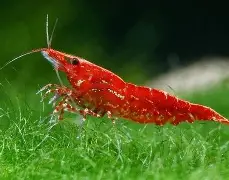
The Red Cherry Shrimp is a selectively bred colour morph of Neocaridina davidi, originally a dull brown-grey shrimp native to Taiwan and southern China. The species was first described by Bouvier in 1904 as Neocaridina denticulata sinensis, later reclassified as N. davidi in honour of French zoologist Armand David, who collected extensively in China during the 1860s–70s. The genus name Neocaridina means ‘new Caridina’ — distinguishing it from the closely related Caridina genus. The ‘Cherry’ name appeared in the early 2000s when Taiwanese breeders isolated the red colour gene and selectively bred for deeper, more uniform red pigmentation. Today, the grading system runs from the palest Cherry (some transparent patches) through Sakura and Fire Red to the highest grade Painted Fire Red (completely opaque, deep red including legs and swimmerets).
🪨 Species at a Glance
| Scientific Name | Neocaridina davidi var. “Red” |
| Common Names | Red Cherry Shrimp, Cherry Shrimp, RCS |
| Family | Atyidae |
| Order | Decapoda |
| Origin | Taiwan and southern China (selectively bred variety) |
| Adult Size | 2.5–3.5 cm (1.0–1.4 in) |
| Lifespan | 1–2 years |
| Temperature | 18–28 °C (64–82 °F), ideal 22–24 °C |
| pH Range | 6.5–8.0, ideal 7.0–7.5 |
| Hardness (dGH) | 6–15 dGH |
| Diet | Omnivore — biofilm, algae, blanched vegetables, shrimp pellets, leaf litter |
| Minimum Tank Size | 20 L (5 gal) for a colony |
| Care Level | Beginner |
| Temperament | Completely peaceful |
| Breeding | Egg-carrying (berried female); no larval stage |
Physical Features
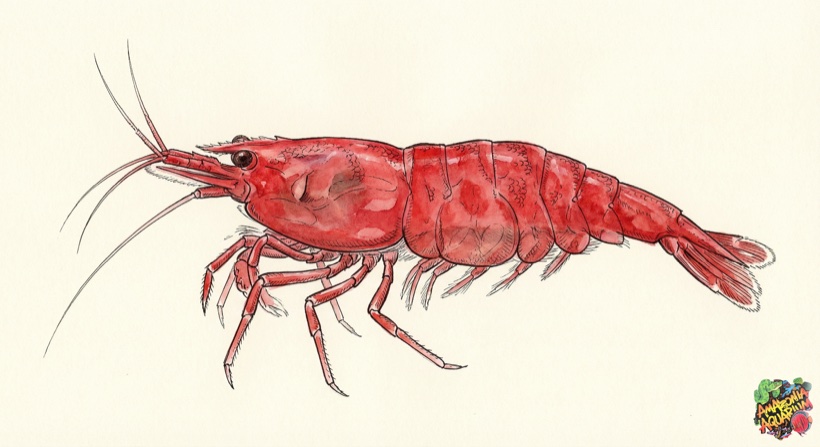
Red Cherry Shrimp have the streamlined, compressed body plan typical of the family Atyidae. The body is divided into two main regions: the cephalothorax (head and thorax fused beneath a protective carapace) and the segmented abdomen, which curves beneath the body and terminates in a fan-shaped tail called the telson and uropods. Six pairs of appendages extend from the thorax: two pairs of small chelate claws (chelipeds) for gathering food and four pairs of walking legs (pereiopods). The underside of the abdomen bears five pairs of pleopods — feathery swimming limbs that females also use to fan and carry eggs.
Sexual dimorphism becomes apparent once shrimp reach maturity at around 60–75 days. Females are noticeably larger (2.8–3.5 cm versus 2.0–2.5 cm for males) and are distinguished by a solid, opaque red colouration that covers the full carapace and abdomen. The “saddle” — a patch of yellowish ovarian tissue visible through the carapace behind the head — is a reliable indicator of a maturing or reproductively active female. Males are smaller, more transparent, and typically show a less saturated, patchier red colouration; their slender abdomen lacks the broad, rounded profile of a gravid female.
The rostrum (a forward-projecting spine on the carapace) is modest in Neocaridina compared to some other shrimp families. Antennules and long antennae project from the head and serve as primary sensory organs, constantly sweeping surfaces for chemical signals. The compound eyes are set on short stalks and give near-360° vision — an essential adaptation for detecting predators in a species that has few other defences.
🔴 Cherry (Low Grade)
Translucent body with scattered red patches; common in pet shops and best used as colony starter stock.
🌸 Sakura (Mid Grade)
More consistent red colouration covering the majority of the body, with some translucency still visible on the legs and underside.
🔥 Fire Red (High Grade)
Deep, opaque red across the full body including legs; the benchmark for serious Neocaridina keepers.
❤️ Painted Fire Red (Highest Grade)
Solid, intense red covering every surface of the body including the legs and underside — the pinnacle of the Cherry Shrimp line.
Water Chemistry Essentials
6.5–8.0
ideal 7.2
18–28 °C
ideal 23 °C
6–15 dGH
Moderately hard — minerals essential for molting
Red Cherry Shrimp are more sensitive to water chemistry than most aquarium fish, and sudden parameter shifts can trigger stress molts, reproductive failure, or death. The most critical rule is to never expose shrimp to copper in any form — copper is acutely lethal to all invertebrates, including at the trace concentrations found in many fish medications, algaecides, fertilisers, and even some tap water supplies. Always check the ingredient list of any product you add to a shrimp tank; if it contains copper sulfate or any copper compound, do not use it.
Beyond copper, shrimp are sensitive to ammonia and nitrite (ideally 0 ppm for both) and prefer nitrate below 20 ppm. Chlorine and chloramine in untreated tap water must be neutralised with a dechlorinator. pH swings are particularly dangerous — a drop or rise of 0.5 units or more in a short period can be fatal. Soft or acidic water below 6.5 pH is problematic because it impairs the ability to absorb calcium for shell construction, leading to failed molts.
Aquarium Setup Guide
A 20-litre nano tank is sufficient to establish a productive Red Cherry Shrimp colony, but a 40–60 litre setup provides greater stability in water parameters — an important factor given shrimp sensitivity. The foundation of a good shrimp tank is a mature, cycled nitrogen cycle: never add shrimp to an uncycled tank. Dark or natural-coloured fine substrates such as inert black sand or aqua soil not only enhance the red colouration through contrast but also support the growth of beneficial biofilm, the shrimp’s primary natural food.
Java moss, Christmas moss, and other fine-leafed mosses are practically mandatory in a shrimp tank. They provide dense foraging territory packed with microorganisms, refuge for juveniles, and grazing surfaces for biofilm. Floating plants like frogbit reduce light intensity and export nutrients through their roots. Leaf litter — Indian almond (Catappa) leaves in particular — breaks down slowly to release tannins and humic acids that buffer pH, provide additional biofilm, and create naturalistic shelter. Avoid sharp or jagged hardscape that could damage the delicate bodies of shrimp.
Sponge Filter
Essential — protects shrimplets from impeller suction and supports beneficial bacteria colonies. Two sponge filters are ideal for redundancy.
Heater
Adjustable 25–50 W heater with thermostat; keep temperature stable at 22–24 °C. Inline or external heaters eliminate the risk of shrimp crawling onto the heater element.
Thermometer
Digital thermometer for daily monitoring; temperature swings above 28 °C are stressful and can suppress breeding.
Aquascape: Java Moss
Dense java moss mats provide biofilm foraging territory and critical refuge for newborn shrimplets.
Substrate
Inert fine sand or active aqua soil (e.g. ADA Amazonia) at 3–5 cm depth. Active soils buffer pH toward the ideal 6.8–7.2.
Lid / Cover
Shrimp are escape artists; a tight-fitting lid or mesh cover prevents overnight losses.
Calcium Supplement
Cuttlebone, crushed coral, or Wonder Shell to maintain adequate mineral content for molting.
Nutrition & Diet
Red Cherry Shrimp are opportunistic omnivores that spend most of their waking hours grazing on biofilm — the thin layer of bacteria, microalgae, protozoa, and organic matter that colonises every surface in a mature aquarium. In a well-established planted tank with adequate lighting, biofilm alone can support a small colony without any supplemental feeding. However, as colony size grows and competition increases, targeted supplementation prevents malnutrition and supports optimal breeding.
Supplemental foods can be offered 3–4 times per week in small quantities that shrimp can consume within 2–3 hours. Blanched vegetables are excellent: zucchini (courgette), spinach, and cucumber all go down well. Commercial shrimp pellets and wafers provide concentrated nutrition; look for formulas with spirulina, kelp, and added calcium. Indian almond leaves and alder cones serve double duty as food substrate and water conditioner. Avoid overfeeding — uneaten food decomposes rapidly, spiking ammonia in what are usually small, lightly filtered tanks.
How They Reproduce
Egg Carrying
Red Cherry Shrimp are among the easiest freshwater invertebrates to breed in captivity, and a healthy colony in a stable tank will reproduce without any deliberate intervention. Breeding is triggered primarily by good water quality, adequate nutrition, and stable parameters — the shrimp do the rest. Females reach sexual maturity at approximately 60–75 days and develop a visible saddle (ovarian tissue) behind the head. During moulting, the female releases pheromones that trigger a frantic “mating swarm” in which males search the tank for the freshly moulted female. Fertilisation occurs quickly, and the female transfers eggs from her ovaries (saddle) to the pleopods (swimmerets) beneath her abdomen within hours of moulting.
A “berried” female — so named because the egg mass resembles a cluster of tiny berries — carries 20–30 eggs for approximately 25–35 days depending on temperature (faster at 24–26 °C). She continuously fans the eggs with her pleopods to oxygenate them and remove waste. Unlike most shrimp species, Neocaridina has no free-swimming larval stage: the eggs hatch directly into fully formed, 1–2 mm miniature adults that are immediately capable of foraging on biofilm.
Shrimplets are vulnerable for their first few weeks — they are readily eaten by fish and can be sucked into power filter intakes. Sponge filters and dense moss provide the best protection. Population growth can be rapid: a colony of 10 can expand to 50–100 within three months under ideal conditions.
Quick Reference
| Scientific Name | Neocaridina davidi var. “Red” |
| Adult Size | 2.5–3.5 cm |
| Lifespan | 1–2 years |
| pH | 6.5–8.0 (ideal 7.0–7.5) |
| Temperature | 18–28 °C (ideal 22–24 °C) |
| Hardness | 6–15 dGH |
| Min Tank Volume | 20 L (5 gal) |
| Care Level | Beginner |
| Breeding Difficulty | Very easy |
| Gestation Period | 25–35 days (berried female) |
| Copper Tolerance | NONE — lethal at trace levels |
| Filter Type | Sponge filter recommended |
Community Tank Safety
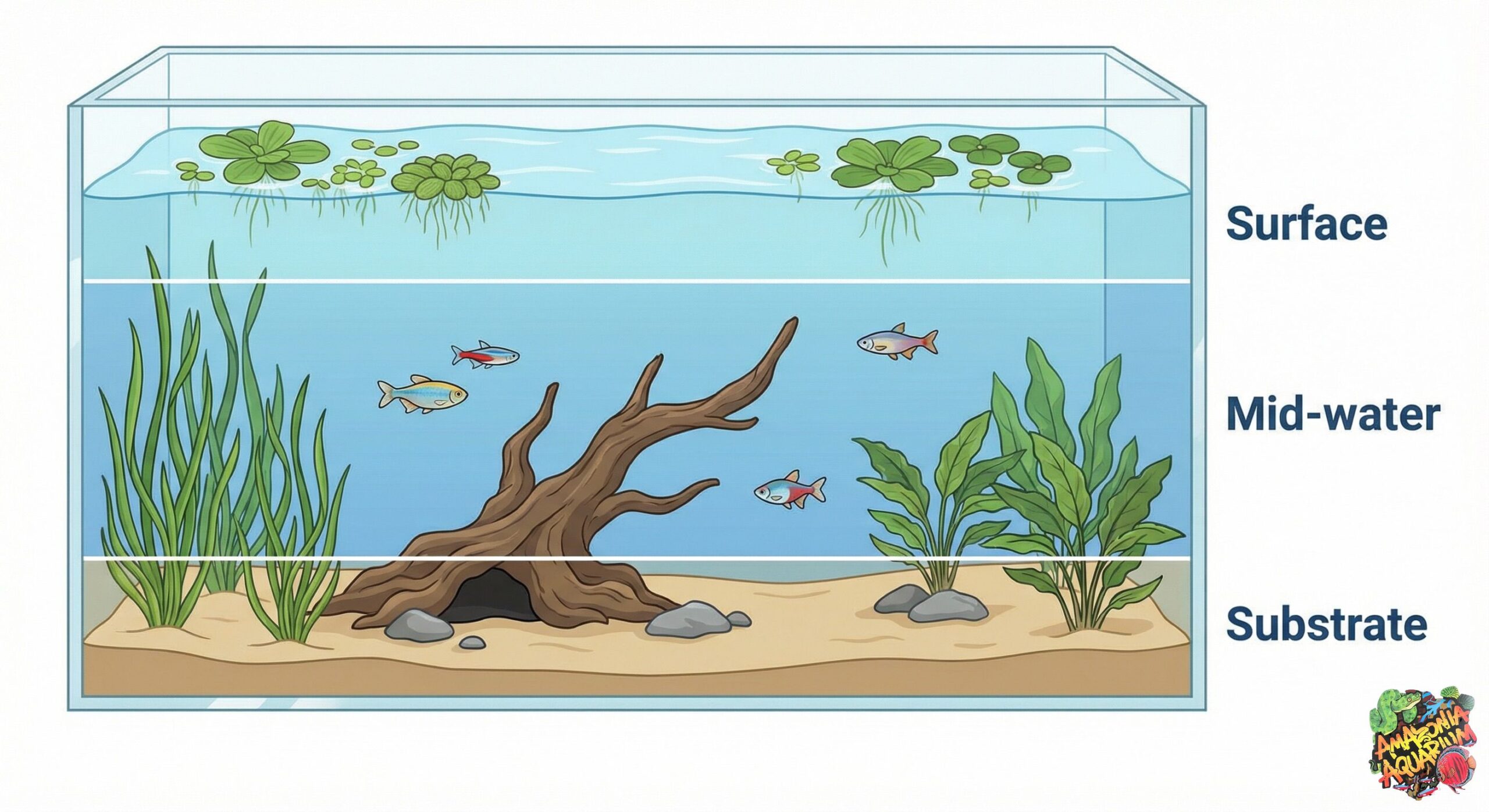
Red Cherry Shrimp are completely defenceless and must be housed with extreme caution. The golden rule is: if a fish can fit the shrimp in its mouth, it will eventually eat it. Most commonly available community fish — tetras, danios, livebearers, barbs — will opportunistically consume shrimp, especially during the vulnerable post-molt period when the shrimp is temporarily soft. For a reliable shrimp-safe community, restrict tankmates to fish under 3 cm with genuinely tiny mouths (Ember Tetras, Pygmy Corydoras, Otocinclus), or keep shrimp in a species-only tank. Dense planting and moss provide essential refuge that significantly improves survival rates even when some fish are present.
| Species | Why | |
|---|---|---|
| ✅ | Pygmy Corydoras (Corydoras pygmaeus) | Tiny, peaceful bottom dwellers that are too small to threaten adult shrimp; ignore each other in practice. |
| ✅ | Otocinclus Catfish | Exclusively algae-feeding; non-predatory and completely ignore shrimp. Excellent co-cleaners in planted tanks. |
| ✅ | Ember Tetra (Hyphessobrycon amandae) | Nano fish with mouths too small to consume adult shrimp; generally safe though shrimplets remain at slight risk. |
| ✅ | Celestial Pearl Danio (Danio margaritatus) | Small, peaceful species that coexists well with adult shrimp; shrimplets may occasionally be picked at. |
| ✅ | Horned Nerite Snail | Fellow algae grazer; completely non-aggressive toward shrimp and shares foraging duties on glass and hardscape. |
| ✅ | Vampire Shrimp (Atya gabonensis) | Peaceful filter-feeding shrimp that coexists peacefully with Neocaridina; does not compete for the same food sources. |
| ❌ | Betta Fish (Betta splendens) | Many bettas actively hunt and consume shrimp; long fins may be nipped by shrimp in return. Not reliably safe even with ‘shrimp-safe’ individuals. |
| ❌ | Gouramis (Trichopodus / Trichogaster spp.) | Most gouramis readily eat shrimp; even dwarf gouramis will pick off smaller individuals and shrimplets. |
| ❌ | Any large or carnivorous cichlid | Will immediately consume all shrimp. Even smaller cichlids like German Blue Rams target shrimp actively. |
| ❌ | Assassin Snail (Clea helena) | Primarily targets snails but will attack and kill weakened or molting shrimp when other prey is scarce. |
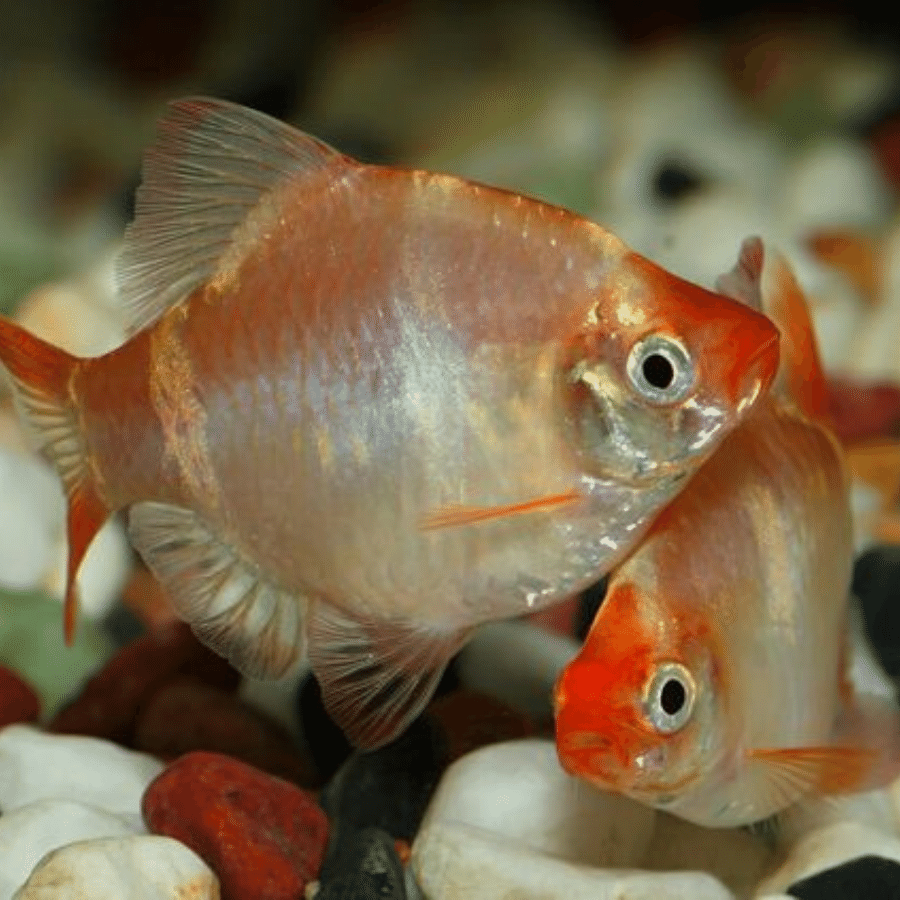
| ❌ | Goldfish | Omnivorous and will eat shrimp of any size; also prefer cooler temperatures incompatible with optimal shrimp conditions. |
Understanding Molting
Like all crustaceans, Red Cherry Shrimp cannot grow inside their rigid exoskeleton — they must shed it periodically in a process called ecdysis (molting). A healthy adult shrimp molts roughly every 3–6 weeks, though juveniles molt more frequently during their rapid growth phase. In the days before a molt the shrimp may appear pale or milky, eat less, and spend more time in hiding. The actual molt takes only seconds to minutes: the carapace splits along the dorsal midline and the shrimp backs out of its old shell, leaving behind a transparent husk that looks deceptively like a dead shrimp. Leave the old exoskeleton in the tank — the shrimp and tankmates will consume it as a calcium source.
Calcium and magnesium are critical during this period. Soft, mineral-poor water is one of the leading causes of failed molts — a condition colloquially known as the “white ring of death,” where a shrimp becomes stuck mid-molt at a constriction around the thorax. Affected shrimp are usually unable to free themselves and will perish. Maintaining adequate water hardness (6–15 dGH), supplementing with cuttlebone, crushed coral, or a dedicated shrimp mineral supplement, and avoiding sudden large water changes dramatically reduces molt fatalities.
Sydney Keeper Tips
Keeping Red Cherry Shrimp in Sydney comes with specific advantages and challenges. Here’s what local keepers should know.
Sydney Tap Water
Sydney’s tap water (pH 7.0–7.6, GH 2–5 dGH) is on the soft side for Neocaridina shrimp, which prefer GH 6–8. Consider adding a mineral supplement (Salty Shrimp GH+) to raise GH slightly. Always dechlorinate — chloramine is lethal to shrimp.
Seasonal Considerations
Cherry Shrimp breed prolifically in Sydney’s mild climate (18–26°C is their sweet spot). In summer, temperatures above 28°C can cause die-offs — use a fan or keep tanks in cooler rooms. They slow down breeding in winter but survive fine.
Local Tips
- Start with 10+ shrimp for a self-sustaining colony — they’ll breed readily in good conditions.
- Avoid copper-based medications and fertilisers in shrimp tanks — even trace amounts are lethal.
- Sydney’s aquascaping community is active — join local Facebook groups for advice and swaps.
Frequently Asked Questions
How many Cherry Shrimp do I need to start a colony?
Will my fish eat Cherry Shrimp?
Why are my shrimp dying after water changes?
How do I get the reddest Cherry Shrimp?
Can Cherry Shrimp live with Bettas?
Related Products
Reviews
Clear filtersThere are no reviews yet.