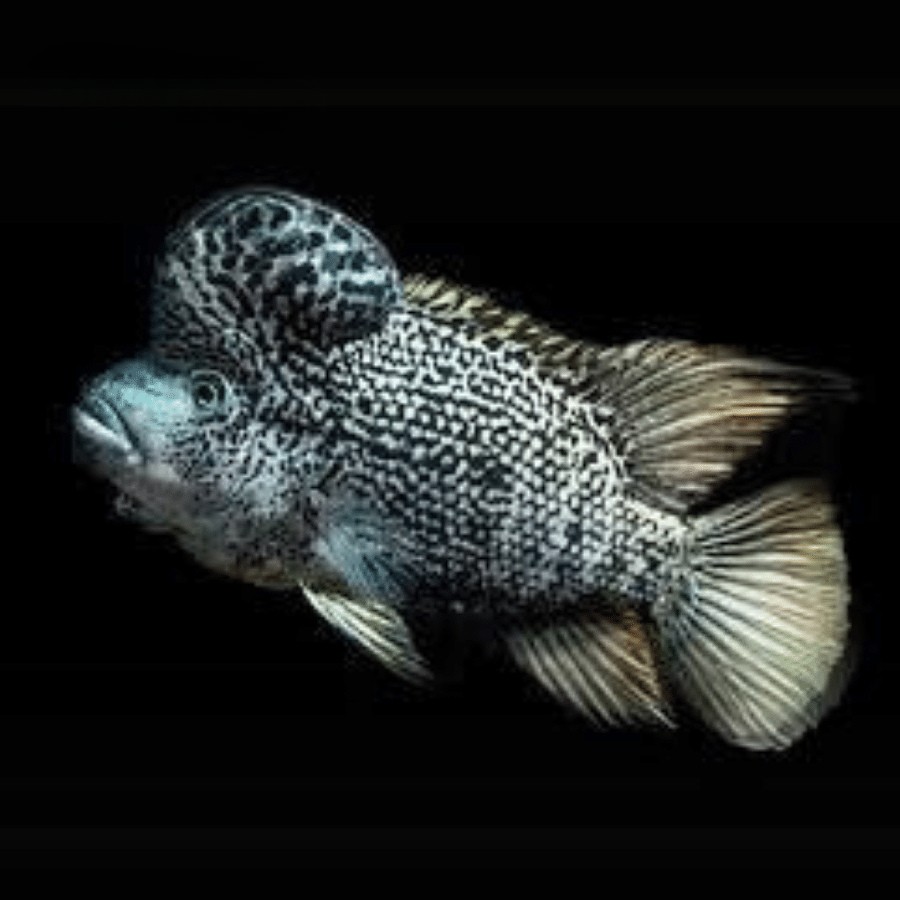
🪨 Species at a Glance
| Scientific Name | Nandopsis haitiensis |
| Former Name | Cichlasoma haitiense |
| Family | Cichlidae |
| Order | Cichliformes |
| Origin | Hispaniola (Haiti & Dominican Republic), Caribbean |
| Current Size | 4-6 cm (sub-adult stock) |
| Adult Size | 20-25 cm (8-10 in) |
| Lifespan | 10-15 years |
| pH Range | 7.5-8.5 (alkaline) |
| Temperature | 24-28 °C (75-82 °F) |
| Hardness (dGH) | 10-20 (hard water) |
| Diet | Carnivore — cichlid pellet, frozen shrimp, krill, earthworm |
| Minimum Tank Size | 400 L single specimen; 600 L+ for a bonded pair |
| Care Level | Advanced |
| Temperament | Highly aggressive, territorial |
| Breeding | Biparental substrate spawner — pairing is high-risk |
| Tank Position | All levels — patrols the entire tank |
| Availability | Rare — limited imports from Caribbean stock |
Origin & Etymology
The scientific name *Nandopsis haitiensis* is a straightforward geographic label. The genus *Nandopsis*, once a dumping ground for a broad swath of Central American and Caribbean cichlids, is today restricted to a small group of Greater Antillean species — large, predatory cichlids endemic to Cuba, Jamaica, and Hispaniola. These island endemics represent one of the few surviving freshwater radiations in the Caribbean, descended from ancestors that colonised the Greater Antilles millions of years ago when sea levels and land bridges permitted the crossing. The species epithet *haitiensis* simply means ‘of Haiti’, marking the island republic on the western half of Hispaniola as the type locality. You will still see this fish sold under its older name *Cichlasoma haitiense*, which remained in common use for decades after the 1989 revisions that moved it into *Nandopsis*. Both names refer to exactly the same fish, and the older label persists in hobby literature, older importer lists, and a fair amount of internet commentary.
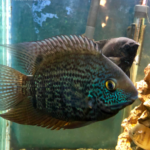
The common name ‘Black Nasty’ is where the real story lives. The ‘black’ half describes an adult’s appearance under good conditions: a body so darkly pigmented it appears almost ink-black in subdued lighting, broken up by rows of metallic gold and green flecks that catch the light like flakes of mica. Dominant males often develop additional red-orange highlights around the throat and along the dorsal fin base when in breeding condition, and a breeding female in full guard colour can look almost obsidian. No other cichlid commonly available in the Australian trade produces quite the same effect — the closest visual parallel is perhaps the Jaguar cichlid (Parachromis managuensis), but even that fish trends spotted silver-gold rather than the saturated black-on-black of a mature Nandopsis.
The ‘nasty’ half is earned, not marketing hyperbole. *Nandopsis haitiensis* is one of the most belligerent medium-to-large cichlids in the hobby, willing to fight tank mates to the death, bite the keeper’s hand during maintenance, and even harass its own mate out of the breeding territory. Experienced cichlid keepers who have worked through Jaguars, Umbees, and Dovii all tend to place the Black Nasty somewhere near the top of the attitude scale — not because it is necessarily the largest, but because it is relentlessly confrontational at every size. A 15 centimetre Black Nasty will square up to a 25 centimetre Oscar without hesitation, and usually win. There is a long-running hobby saying that ‘Dovii are brutal, Jaguars are unpredictable, and Black Nasties are just mean’ — crude, but broadly accurate.
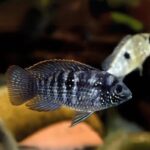
At the 4 to 6 centimetre juvenile stage, the nickname can seem premature — the fish is still slender, silver-grey with faint vertical bars, and may even school loosely with siblings in the holding tank. Do not be fooled. The temperament hardens quickly, often within a few months of purchase. By the time a Black Nasty reaches 10 centimetres it is usually already intolerant of tank mates, and by 15 centimetres the adult personality is fully locked in. Plan your tank around the adult fish you will have, not the juvenile you are looking at today. The Hispaniola origin is also part of what makes this species special in the Australian hobby — most Central American cichlids sold here trace back to Mexican, Nicaraguan, or Honduran stock, with Caribbean-island species being genuinely rare imports that turn up only occasionally through specialist channels.
How to Sex This Species
At 4 to 6 centimetres, sexing Black Nasties with any confidence is essentially impossible. Both sexes look identical at this stage — silver-grey, faintly barred, fins clear — and even experienced keepers will not try to predict sex until the fish reach at least 10 to 12 centimetres and begin developing the secondary characteristics listed above. If you are buying juveniles with breeding in mind, the standard approach is to grow out a group of six to eight young fish in a large tank with dividers, then separate out a naturally compatible pair when sex becomes obvious around 14 to 16 centimetres. Buying a single juvenile and hoping for a specific sex is a gamble you will almost always lose, and the statistical odds do not favour you in a species where male-to-female ratios in captive stock often skew unpredictably.
Once adult, sexual dimorphism is moderately strong. Males are noticeably larger and longer-finned, with a pronounced nuchal hump in dominant individuals and a generally bolder colour pattern. The male’s dorsal and anal fins extend into dramatic trailing filaments that can add 3 to 4 centimetres to total length in a fully mature specimen. Females are smaller and more compact, but often show equally intense colour — especially when guarding a clutch of eggs, at which point a breeding female may actually appear darker and more vividly marked than her mate. The safest single indicator is fin shape: an adult male’s dorsal and anal fins taper to long trailing filaments, while a female’s fins remain rounded at the tips throughout life.
Venting — examining the genital papilla directly — is the only definitive sexing method and is sometimes used by breeders on fish 15 centimetres or larger. The male’s papilla is narrow, pointed, and directed backward; the female’s is wider, blunter, and more obviously tubular. Venting requires briefly netting and carefully restraining the fish, and is not something to attempt with a wild-tempered Nandopsis unless you have handling experience. For most keepers, the fin-filament test combined with size and behaviour is sufficient.
One behavioural cue that is often overlooked: in a mixed-sex group grown out together, the eventual males are usually (but not always) the most consistently aggressive individuals from around 8 centimetres onward. The fish that spends the most time displaying at the glass, chasing siblings, and claiming the prime rock is far more likely to be male than the smaller, quieter specimens that give ground. This is not a foolproof method — female Nandopsis can be every bit as belligerent as males — but combined with the physical traits above, it gives an earlier read than waiting for fin filaments to develop. Keep notes on which fish is which during grow-out; the calmest-looking ones are often the most interesting breeders once they reach maturity.
| Feature | Male | Female |
|---|---|---|
| Adult Size | 22-25 cm, visibly larger and bulkier | 18-20 cm, more compact build |
| Dorsal & Anal Fins | Elongated trailing filaments extending well past the caudal base | Shorter, rounded fin tips without trailing extensions |
| Head Profile | Pronounced nuchal hump develops in mature dominant males | Smooth head profile, no hump |
| Body Colour | Deeper black base, brighter gold-green spangling, red-orange throat | Slightly lighter tone overall, colour intensifies when guarding eggs |
| Belly Profile | Lean and streamlined | Rounder, becomes visibly full when in breeding condition |
| Genital Papilla | Pointed, narrow, directed backward | Blunt, wider tube visible during spawning |
| Territorial Behaviour | Relentlessly patrols entire tank, challenges any intruder | Defends a smaller core area, less outward aggression |
Available Colour Grades
⚫ Wild Haitian Form
The classic dark morph from Haitian river systems — deep charcoal-black base with dense gold-green iridescent flecking, strongly barred flanks, and vivid red-orange throat accents in dominant males.
🟢 Dominican Form
Specimens from the Dominican Republic side of Hispaniola tend toward a slightly olive-green base with finer, greener spangling and less intense black — same species, regional colour variant.
⭕ Tank-Bred (Lighter)
Captive-bred stock raised in softer, lighter-lit aquaria often display a paler overall tone with reduced black saturation; colour typically darkens over 6-12 months in suitable conditions.
Colour development in the Black Nasty is one of the most rewarding aspects of keeping the species — and one of the most frustrating, because a 4 to 6 centimetre juvenile looks almost nothing like a fully coloured 20 centimetre adult. At this stage the fish is mostly silver-grey with six or seven faint vertical bars and a dark lateral blotch. The scales have not yet developed the metallic refractive flecks that define the adult look, and the fins are clear rather than dusky. Do not judge juvenile stock by juvenile colour. Feed well, hold hard alkaline water, provide dark substrate, and within 12 to 18 months the transformation is dramatic. The black saturation deepens first, typically between 8 and 12 centimetres, followed by the gold-green spangling that emerges scale by scale as the fish matures. Red-orange throat and ventral highlights are the last feature to develop and are most prominent in dominant males in breeding condition.
Regional provenance matters to serious keepers. Haitian specimens are generally considered the ‘darker’ form and tend to develop the deepest black saturation in adulthood; Dominican specimens lean olive-green with a slightly finer, brighter spangle pattern. In the Australian trade these lines are rarely labelled separately, and most stock arrives as ‘Hispaniola origin’ without further detail — which, given the island is politically divided but biogeographically one unit, is usually the honest answer. Tank-bred fish — produced by the handful of hobbyist breeders who have managed to successfully pair the species in captivity — sometimes show slightly reduced colour intensity compared to wild-caught stock, but this is typically environmental rather than genetic and improves dramatically with proper husbandry. Dark substrate, moderate lighting, aged tank water, and a carotenoid-rich diet will bring out the best colour regardless of line.
One colour quirk worth knowing: the Black Nasty is a mood fish. Colour can shift visibly within minutes based on stress, aggression state, and social context. A fish that has just been spooked during a water change may temporarily wash out to pale grey with dark bars; a fish that has spotted a rival across the tank may darken to full charcoal-black in seconds; a breeding female guarding eggs may turn almost gloss-black with red throat blazing. These rapid colour changes are normal and are one of the species’ most engaging behavioural features. Keepers often find themselves watching the tank simply to catch the next colour shift.
Getting the Water Right
7.5–8.5
ideal 8.0
24–28 °C
ideal 26 °C
10–20 dGH
Hard, mineral-rich water required (Caribbean karst origin)
Nandopsis haitiensis evolved in the limestone-rich rivers and lakes of Hispaniola, where dissolved calcium and magnesium keep pH firmly alkaline and hardness well above what most South American cichlids would tolerate. The karst geology of the island — thick beds of weathered coral limestone, cave systems, and calcium-rich springs — continuously buffers surface waters, producing conditions more similar to African Rift Lake water than to the Amazon basin. This is emphatically not a soft-water fish. Target pH 7.5 to 8.5 (ideal 8.0), GH 10 to 20, and KH at least 6 to prevent pH swings. Most Australian tap water supplies will naturally sit inside this range, which makes water chemistry one of the easier aspects of keeping the species — but if your tap runs soft and acidic (as it does in parts of Tasmania and the Melbourne metro area), plan to supplement with crushed coral in the filter, aragonite substrate, or a calcium-carbonate-based buffering salt.
Temperature should be held between 24 and 28 °C, with 26 °C a comfortable midpoint for long-term husbandry. The Black Nasty tolerates brief excursions outside this range but does not thrive in cool water — metabolism and appetite both drop noticeably below 23 °C, and digestion of the large protein-rich meals they consume slows enough to cause bloat issues. Breeding pairs are often coaxed into spawning by bumping temperature from 25 °C to 27 °C over a week. Use a quality heater rated for the full tank volume and, ideally, a second heater as backup in a 400 L+ setup where a single failure leaves expensive fish exposed. Titanium or shatterproof heaters are strongly preferred; a Black Nasty will break a glass heater tube, often without the keeper noticing until the fish is burned or electrocuted.
Where husbandry really matters is on filtration and water change discipline. Black Nasties are messy, protein-heavy feeders that produce a heavy bioload for their size. Oversized filtration is not optional — plan for total turnover of 6 to 8 times the tank volume per hour, split across at least two independent filters so a single failure is not catastrophic. Weekly water changes of 30 to 40% are the baseline; skimping on this will cause nitrates to creep and colour to dull within weeks. Aim to keep nitrates below 20 ppm; levels above 40 ppm for extended periods are linked to hole-in-the-head disease in large cichlids, a disfiguring and difficult-to-reverse condition. Temperature-match fresh water to within 1 °C and pre-treat with a quality dechlorinator before refilling.
One practical warning: never do water changes with your hands in the tank unless you have moved the fish or used a divider. A mature Black Nasty will attack a hand in its territory, and the bite is not trivial — expect a cut that needs washing and possibly a bandage. Long-handled scrapers, Python-style water change systems, and magnetic glass cleaners remove the need for most hand-in-tank work.
Nutrition & Diet
Nandopsis haitiensis is a dedicated carnivore. In Hispaniola’s rivers and lakes, the adult diet is built on small fish, crustaceans (including native Caribbean freshwater shrimp and crabs), insect larvae, and aquatic invertebrates. Stomach-content analyses of wild specimens have turned up everything from small cichlid fry to apple snails, pointing to an opportunistic predator that eats anything it can catch and swallow. In the aquarium, a high-quality cichlid pellet should form the nutritional backbone — look for a sinking or slow-sinking formula with whole fish meal or krill meal as the first ingredient, minimum 40% crude protein, and added colour enhancers such as astaxanthin or spirulina. Hikari Cichlid Gold, NLS Thera+A, and Northfin Cichlid Formula are all proven choices that Australian keepers can source locally.
Supplement the pellet staple two to four times per week with frozen protein foods: whole krill (excellent for colour — the astaxanthin it contains deepens both the black and the red-orange highlights), mysis shrimp, raw prawn chopped to size, bloodworm (occasional treat only, not a staple), and earthworms (an outstanding conditioning food for adults, especially before attempting breeding). Live foods such as feeder shrimp or ghost shrimp are accepted enthusiastically but introduce parasite risk; if you use them, quarantine and feed well-conditioned shrimp from a trusted source, never from a public pond. At 4 to 6 centimetres, juveniles take small cichlid pellets readily and will eagerly attack thawed bloodworm and chopped frozen shrimp. Feed two small meals per day at this size, reducing to one larger meal per day once the fish is past 12 centimetres.
Feeding response is one of the most entertaining aspects of Black Nasty keeping. A hungry adult will rush to the front glass the moment it sees its keeper approach, flare gills, and strike the pellet with a visible water-displacement punch that sends ripples across the surface. Some keepers train their Black Nasties to take food from tongs or (cautiously) from fingers — this is a personality bond worth building, but remember this is a fish that will bite hard enough to draw blood when irritated. The teeth are small but sharp, and the jaw pressure is substantial on a 20+ centimetre specimen. Never hand-feed during breeding, when new tank mates have just been added, or when you are alone in the house and could be bitten badly enough to need assistance.
One underappreciated dietary consideration is fibre: protein-heavy carnivores benefit from occasional vegetable matter, and a high-quality spirulina-enriched pellet once a week helps gut motility and reduces the risk of bloat. Bloat in large cichlids is serious — a distended abdomen, loss of appetite, and stringy white faeces are early warning signs, and untreated bloat can kill a fish within a week. Prevention is almost entirely dietary: avoid mammalian meat, avoid overfeeding, include the weekly fast day, and ensure some variety in protein sources rather than feeding a single food type exclusively. Quality over quantity is the guiding principle; a Black Nasty that is fed well but not overfed will outlive one that is stuffed daily with cheap flake food.
Aquarium Setup Guide
Designing a tank for a Black Nasty is an exercise in engineering, not aquascaping. The adult is a 20 to 25 centimetre predator that patrols every corner of its territory, rearranges decor nightly, digs pits in the substrate during breeding, and treats any plant within reach as either food or an obstacle to be uprooted. Plan accordingly. A single specimen needs a minimum 400 litre tank — think 150 × 60 × 45 centimetres or larger footprint — and a bonded pair needs 600 litres or more, ideally with the ability to visually divide the tank during the inevitable aggression spikes. Tank length matters more than height; these fish swim horizontally and use the full floor, and a long shallow tank serves them better than a tall narrow one.
Substrate should be a fine to medium sand (2 to 3 millimetre grain) or smooth aragonite gravel. Aragonite has the added benefit of slowly dissolving to buffer pH upward, reinforcing the alkaline chemistry the species prefers. Avoid sharp-edged gravel, which can cut barbels and gill covers during digging. Skip live plants entirely — they will not survive — and instead invest in heavy, stable hardscape: large river stones, lava rock, and slate assembled into solid caves and territorial dividers. All rockwork must be placed directly on the tank bottom before substrate is added, never resting on sand, because the fish will dig underneath and collapse anything unsecured. A collapsed pile of 10 kilo rocks is a catastrophic event — it can crush the fish, crack the tank bottom, or both. Silicone the largest base stones to the glass if in doubt, or use egg crate beneath the hardscape as a load-spreader.
A few large pieces of driftwood add visual warmth and give the fish additional territorial markers. Mopani and Malaysian driftwood are both good choices; avoid soft Indian almond wood that will rot quickly under a heavy-feeding cichlid’s bioload. For lighting, moderate output is fine; these are not plant-focused tanks and overly bright lighting tends to wash out colour. A simple dimmable LED set to around 30-50% of maximum is more than enough and actually brings out better colour than full-brightness planted-tank lighting. Cover the tank with a tight, heavy lid — Black Nasties will jump when spooked, especially during disputes, water changes, or when a new object is introduced to the tank. A fish carpet is not an unheard-of outcome for keepers who leave a gap in their lid.
One more engineering consideration: stand strength. A fully stocked 400 litre tank weighs over 450 kilos once substrate, rockwork, and water are accounted for. Use a stand rated specifically for aquarium use with a flat, level top. A marginal stand will develop a visible bow within a year, and that bow puts lethal stress on the glass seams. This is not a corner to cut on a species that will live 10 to 15 years in the same tank.
Finally, consider placement within the room. A Black Nasty tank generates splash, evaporation, and occasional surface water ejection during aggression displays — keep it away from unprotected electronics, wallpapered walls, and expensive artwork. Placing the tank against an internal wall, on hard flooring, with a GFCI-protected power strip mounted high and out of splash range, is the sensible approach. Run all heater and filter cords in a ‘drip loop’ below the outlet so any water tracking down the cable drips off rather than entering the socket. These are basic large-cichlid-keeping disciplines, but they matter doubly with a species known to jump and to flood the tank rim during feeding.
Tank
400 L minimum single-specimen (150×60×45 cm); 600 L+ for pair; reinforced stand
Primary Filter
Oversized canister (Fluval FX6, Oase Biomaster 850, or equivalent) rated 2-3× tank volume
Secondary Filter
Second canister or large internal sump for redundancy and biological reserve
Heater
Dual 300 W titanium or shatterproof heaters with external controller; avoid glass tubes
Substrate
Fine-to-medium sand or smooth aragonite gravel, 5-8 cm depth
Hardscape
Large river stones, lava rock, slate caves — all placed on glass, never on substrate
Lid
Heavy tight-fitting glass or polycarbonate lid to prevent jumping
Lighting
Moderate output; avoid excessively bright LEDs — these wash out the black colour
Tank Divider
Egg-crate or acrylic divider for introducing pairs or separating aggressive individuals
Community Compatibility
The honest, experience-backed answer for Black Nasty community compatibility is this: do not. *Nandopsis haitiensis* is a single-specimen species for the vast majority of keepers, and every serious cichlid hobbyist who has worked with the fish will tell you the same. The aggression is not situational — it is not something that can be softened by adding more rockwork, more floor space, or more dither fish. Adult Black Nasties attack tank mates on sight, regardless of size, species, or temperament, and will not stop. A large pleco may survive in a 600 L+ tank under constant observation; bonded pairs of the same species can work after careful introduction; anything else is a ticking clock.
The most common failure mode in Black Nasty community attempts is the ‘it was fine for months’ scenario. A juvenile Black Nasty introduced to a community tank at 5 or 6 centimetres will often behave reasonably for the first few months — perhaps even appearing shy and spending time hiding behind rockwork. Keepers sometimes take this as evidence that their particular fish is ‘one of the gentle ones’. It is not. The aggression switch typically flips somewhere between 10 and 15 centimetres, and when it does, it flips overnight. Tank mates that were tolerated yesterday are cornered and killed today. Every experienced Central American cichlid keeper has a version of this story; do not add your own.
If you want a community tank, buy a different cichlid. If you want a Black Nasty, commit to the single-specimen display it deserves. The good news is that a well-kept solitary Black Nasty in a properly furnished 400 L+ tank is one of the most engaging aquarium experiences available — the fish recognises its keeper, follows movement across the room, solicits food with visible enthusiasm, rearranges its decor overnight, and develops a personality that community fish simply do not match. You are not missing out on community life; you are trading it for something rarer: a relationship with a single large, intelligent, intensely present animal that will still be with you in 2036.
| Species | Why | |
|---|---|---|
| ✅ | None (single-specimen tank recommended) | For the overwhelming majority of keepers, the safest and most successful approach is a species-only single-specimen tank — no tank mates at all |
| ✅ | Plecostomus (Large, Adult) | A large L-number or common pleco over 20 cm may coexist in a 600 L+ tank as a bottom-dwelling algae grazer — but even this is not guaranteed; monitor daily for harassment |
| ✅ | Large Synodontis Catfish | Armored adult Synodontis (over 15 cm) that stay bottom-oriented are sometimes tolerated in oversized tanks — still high risk; always have a backup tank ready |
| ✅ | Bonded Mate of Same Species | Only appropriate if the pair has been carefully introduced through a divider protocol over weeks and shows sustained compatibility — see breeding section |
| ❌ | All Small Tetras, Rasboras, Danios | Will be eaten whole within hours — any fish small enough to fit in the Black Nasty’s mouth is food, not a tank mate |
| ❌ | Angelfish, Discus, Gouramis | Peaceful mid-sized community cichlids and labyrinth fish will be harassed, fin-nipped, and ultimately killed by a mature Black Nasty |
| ❌ | Other Medium Cichlids (Firemouth, Convict, Severum) | Even robust Central American species under 15 cm will be out-fought and driven to exhaustion; size differences favour the Black Nasty’s attitude, not body mass |
| ❌ | Shrimp, Snails, Crayfish | All invertebrates are regarded as food — shrimp are eaten instantly, snails are crushed, crayfish are attacked despite their claws |
| ❌ | Loaches & Small Bottom Dwellers | Corydoras, kuhli loaches, and similar small bottom-oriented species are at constant risk — they share the same floor zone the Black Nasty patrols most aggressively |
How to Breed
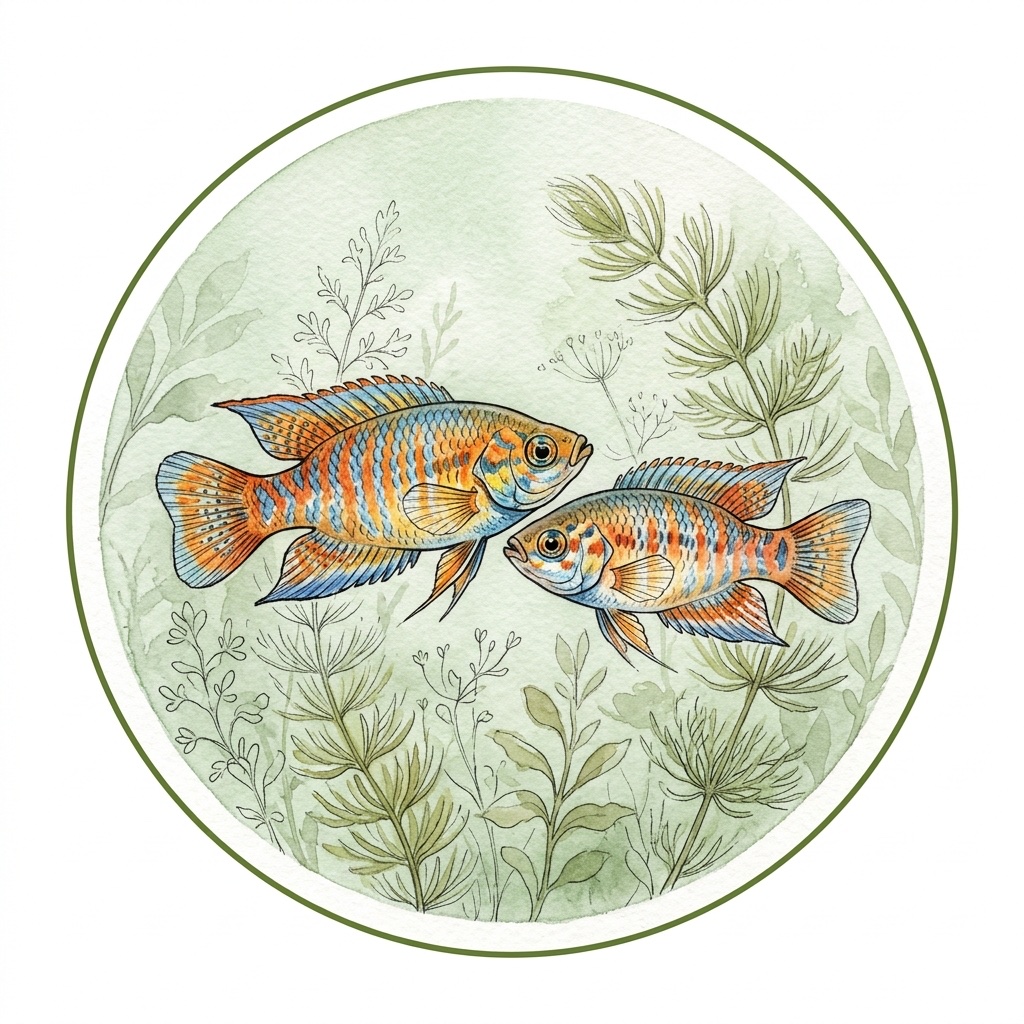
Month 0-3
Pair Formation (High-Risk)
Introduce sexed adults with divider; watch for mutual acceptance
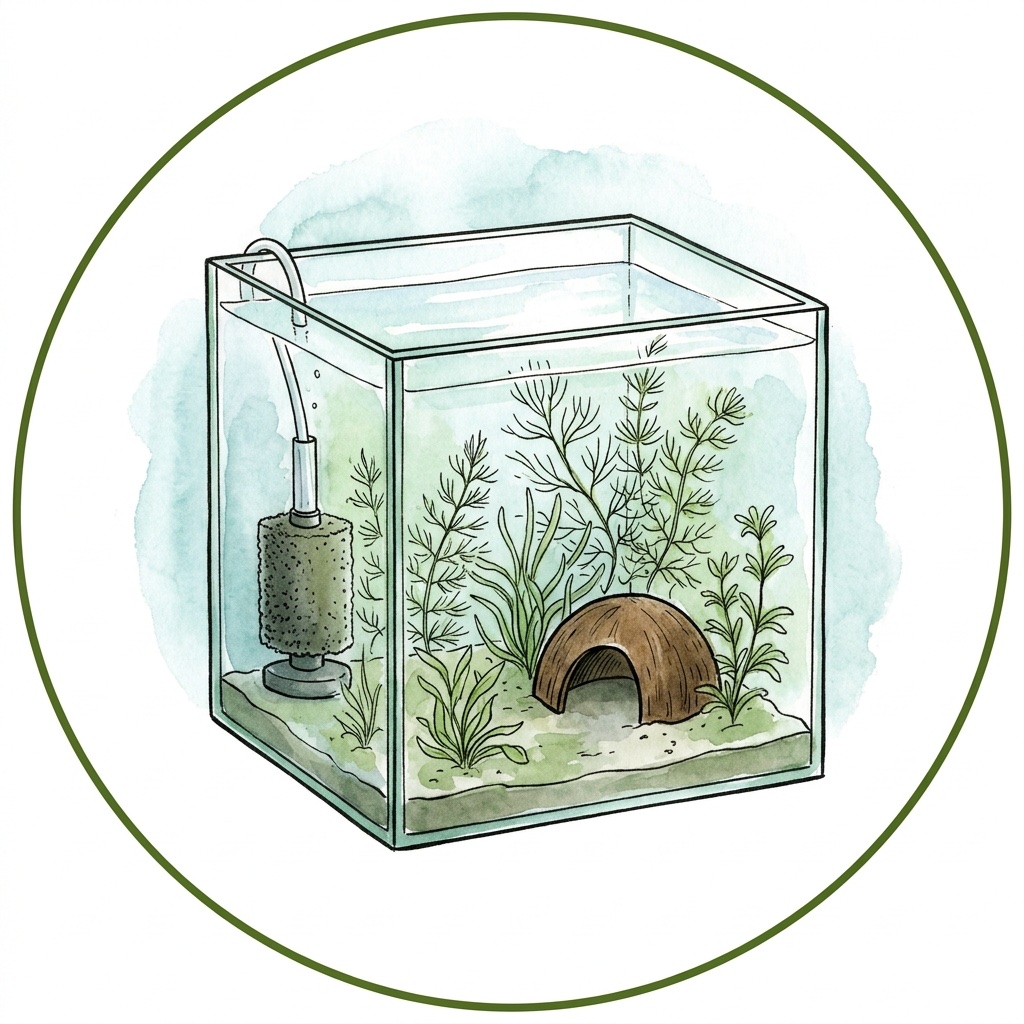
Day 0-2
Site Selection & Cleaning
Pair selects flat stone or pit; both clean the surface
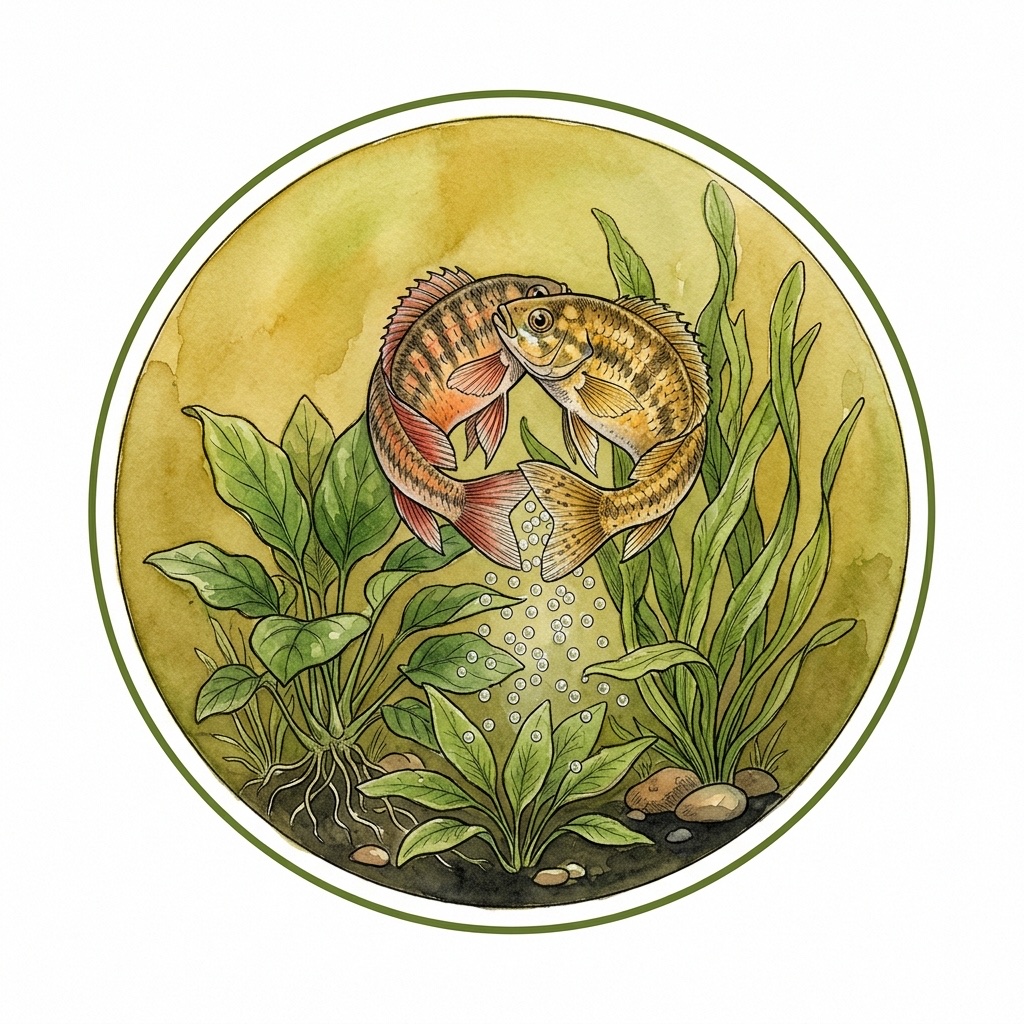
Day 2-3
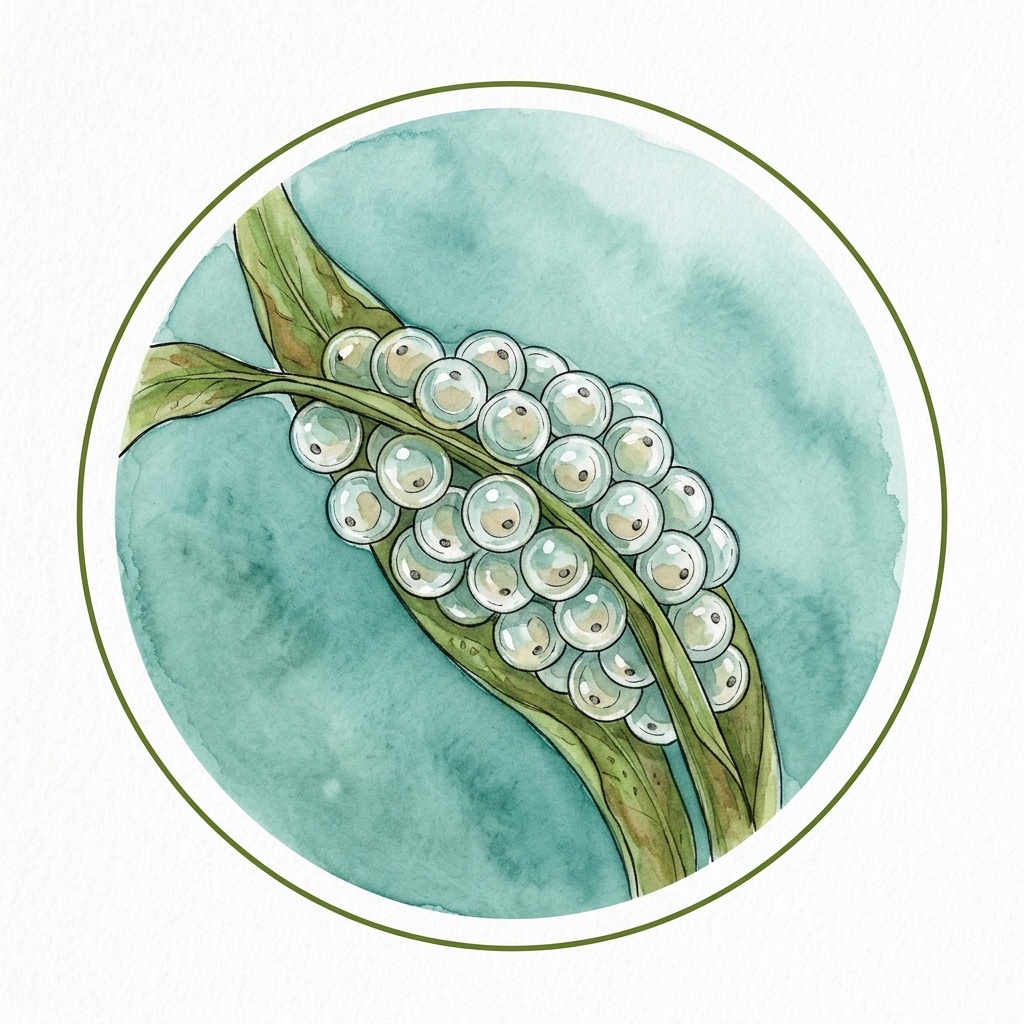
Egg Laying
200-500 eggs deposited in rows on cleaned surface
Day 3-5
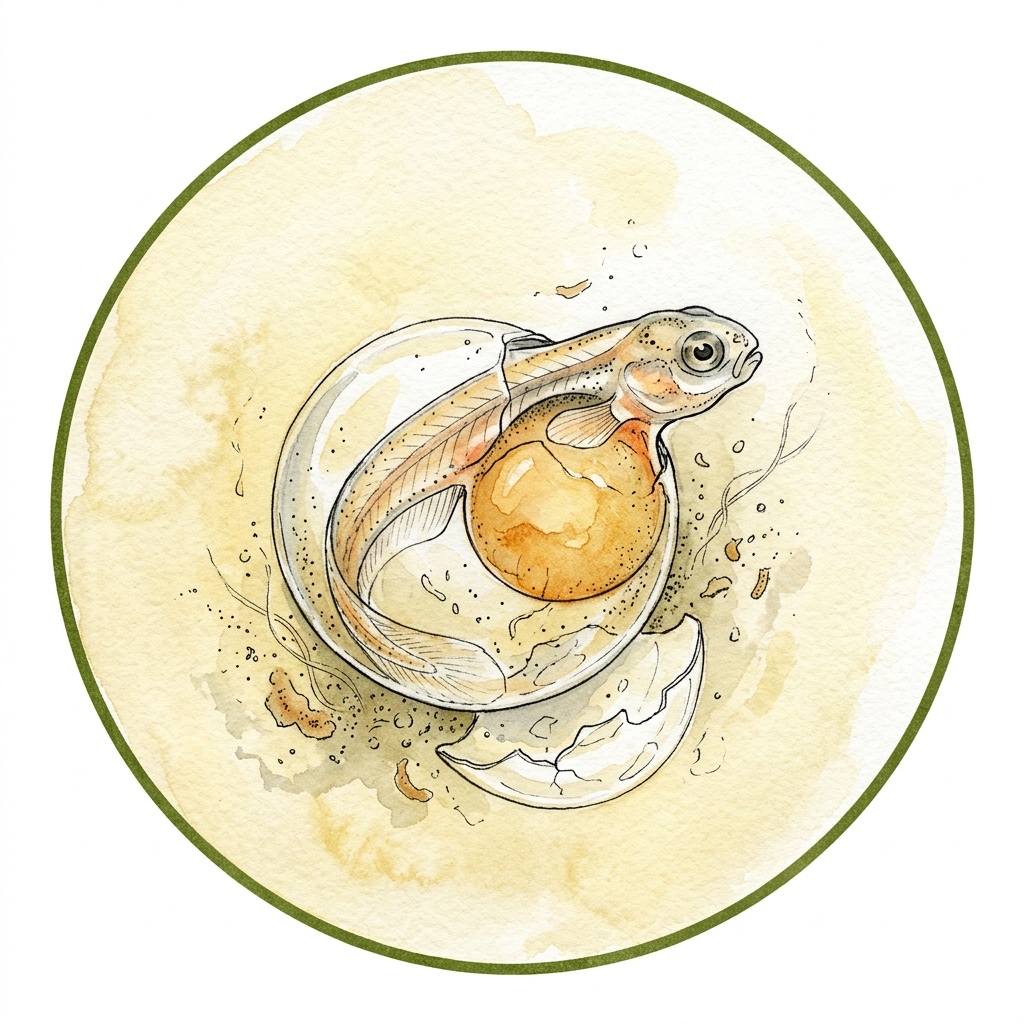
Hatching (Wrigglers)
Eggs hatch; parents move wrigglers to pre-dug pits
Day 7-10
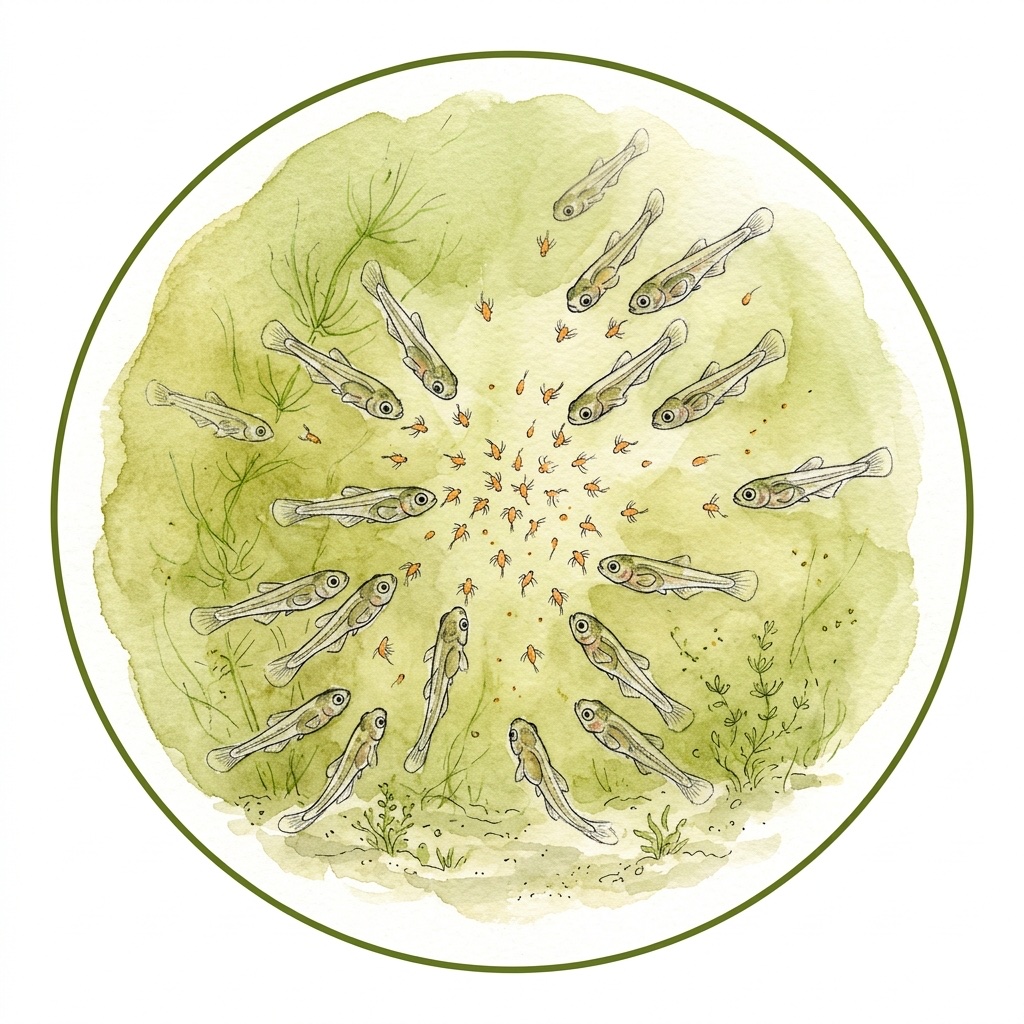
Free Swimming
Fry become mobile; begin feeding on baby brine shrimp
Week 3-8
Juvenile Growth & Separation
Fry reach 1-2 cm; remove for grow-out as parental tolerance ends
Pair Formation (High-Risk)
Pairing Nandopsis haitiensis is the single most dangerous phase of the entire breeding project. Unlike many cichlids that form pairs willingly, Black Nasties will readily kill an unwilling partner — especially when a larger male is introduced to a smaller female with no escape route. The standard protocol is to place two sexed adults on opposite sides of an egg-crate or perforated acrylic divider in a 600 L+ tank, feed both sides generously for several weeks, and watch body language carefully. Signs of compatibility include parallel posturing along the divider, coordinated colour changes (both darkening together), and the female approaching the divider without panic. Warning signs include one fish constantly hiding, persistent broadside fin-flaring that never softens, or refusal to feed on one side. Only remove the divider once both fish show sustained mutual interest — and even then, be ready to reinstall it at the first sign of one-sided aggression. Many experienced breeders keep a second tank and a large net within arm’s reach for the first 48 hours after divider removal.
Site Selection & Cleaning
A compatible pair selects a flat vertical or slightly sloped surface — typically a large flat rock, a piece of slate, or the tank glass itself — and begins obsessive cleaning, mouthing the surface and chasing off anything that approaches. Colour darkens dramatically in both fish during this phase, and the female’s belly becomes visibly fuller with developing eggs. The pair will also excavate pits in the substrate near the chosen spawning site, which will serve as fry-holding depressions later. If you see large amounts of sand being moved overnight and both fish circling a particular rock, spawning is imminent within 24 to 48 hours. This is also the point at which you should stop any tank maintenance that would disturb the pair, aside from essential top-up water changes, because any perceived threat to the nesting site can cause the pair to abandon the spawn and turn on each other.
Egg Laying
The female deposits eggs in neat rows across the prepared surface, with the male following immediately behind to fertilise each pass. A healthy adult pair produces 200 to 500 eggs per spawn, cream-coloured to pale amber, roughly 1.5 millimetres in diameter, and strongly adhesive. Some large mature females can produce clutches approaching 800 eggs, though survival rates on such large spawns tend to be lower. Both parents then stand guard, fanning the clutch with their pectoral fins to oxygenate and removing any eggs that fungus over. Aggression toward any intruder — including the keeper during water changes — reaches an absolute peak at this stage, and keepers have reported the parents lunging hard enough at the glass during hand feeding to bloody their own mouths. Use a long-handled siphon, work slowly, and do not reach into the tank unnecessarily for the next two weeks.
Hatching (Wrigglers)
At 26 °C, eggs hatch in 60 to 72 hours. The newly emerged wrigglers are nearly transparent, around 4 to 5 millimetres long, and cannot yet swim — they twitch and ‘wriggle’ on the substrate, which is where the stage gets its name. Both parents carefully transfer them by mouth into the pre-excavated pits in the substrate, where the fry will continue absorbing their yolk sacs for another 4 to 5 days. The parents frequently move the wrigglers between pits — sometimes every few hours — in what appears to be a defensive strategy against predators and parasites. This is normal behaviour and a sign of healthy parenting, not a red flag. Do not attempt to intervene at this stage; disturbance during wriggler transport can trigger the parents to eat the clutch, and even shining a bright torch on them at night is enough to spook some pairs into consuming their own brood. Keep lighting dim, noise down, and foot traffic past the tank minimal for the duration of the wriggler phase.
Free Swimming
Around day 7 to 10, the fry become free-swimming and rise as a tight cloud above the substrate, escorted closely by both parents. This is your cue to begin feeding newly hatched baby brine shrimp, which the fry take eagerly. Offer small amounts three to four times per day, siphoning out any uneaten food each evening to keep water quality up while the parents remain too stressed to accept major maintenance. The parents continue to guard the fry cloud vigilantly, and will actively herd any stragglers back toward the group — one of the most impressive parental displays in the cichlid world. A large Nandopsis pair with a fry cloud of 300+ babies moving in formation across a 600 L tank is a sight that explains why people keep this species despite all the associated difficulty.
Juvenile Growth & Separation
Parental care typically lasts three to six weeks. At some point after that, the parents’ tolerance of the fry drops sharply — often very suddenly, and often coinciding with the female coming back into breeding condition for another spawn. At this point the fry should be moved to a dedicated grow-out tank before the parents start culling them. Feed crushed high-protein pellets, microworms, and continued baby brine shrimp. Juveniles reach 3 to 4 centimetres by three months and start to show parental aggression toward each other by 5 to 6 centimetres — at which point they need to be separated into larger quarters or sold on. For the hobbyist who successfully produces a spawn, finding homes for 200+ juvenile Black Nasties is itself a challenge: the Australian market for large aggressive Caribbean cichlids is small. Plan the outlet for the babies before you plan the breeding project, or be prepared to keep a great many of them yourself.
Quick Reference
| Scientific Name | Nandopsis haitiensis |
| Current Size | 4-6 cm (sub-adult) |
| Adult Size | 20-25 cm |
| Lifespan | 10-15 years |
| pH | 7.5-8.5 (ideal 8.0) |
| Temperature | 24-28 °C (ideal 26 °C) |
| Hardness | 10-20 dGH (hard water) |
| Min Tank Size | 400 L single / 600 L+ pair |
| Tank Mates | Single-specimen recommended |
| Diet | Carnivore — cichlid pellet + frozen shrimp/krill/earthworm |
| Care Level | Advanced |
| Temperament | Highly aggressive, territorial |
| Tank Position | All levels |
| Breeding | Biparental substrate spawner — high-risk pairing |
| Availability | Rare — limited Hispaniola imports |
Related Products
Reviews
Clear filtersThere are no reviews yet.