
🪨 Species at a Glance
| Scientific Name | Paracheirodon axelrodi |
| Family | Characidae |
| Order | Characiformes |
| Origin | Brazil, Colombia, Venezuela — Rio Negro and Orinoco basins |
| Adult Size | 3–4 cm (1.2–1.6 in) |
| Lifespan | 4–6 years (up to 10 in ideal conditions) |
| pH Range | 4.5–7.0 |
| Temperature | 24–28 °C (75–82 °F) |
| Hardness (dGH) | 1–8 |
| Diet | Omnivore — micro-pellets, flakes, frozen/live foods |
| Minimum Tank Size | 40 L (10 gal) for a school of 10 |
| Care Level | Beginner |
| Temperament | Peaceful, schooling |
| Breeding | Egg scatterer — very difficult in captivity |
| Tank Position | Middle |
Meet the Species
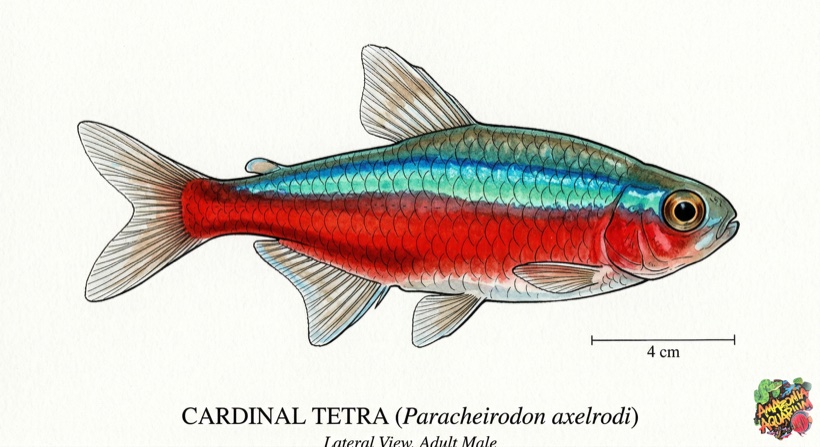
The cardinal tetra was formally described in 1956 by Leonard P. Schultz, who named it *Paracheirodon axelrodi* in honour of Herbert R. Axelrod — the legendary (and controversial) aquarium publisher, ichthyologist, and explorer. Axelrod popularised the fish through his prolific writing and pet-industry empire, and the species name cemented his legacy in the hobby forever.
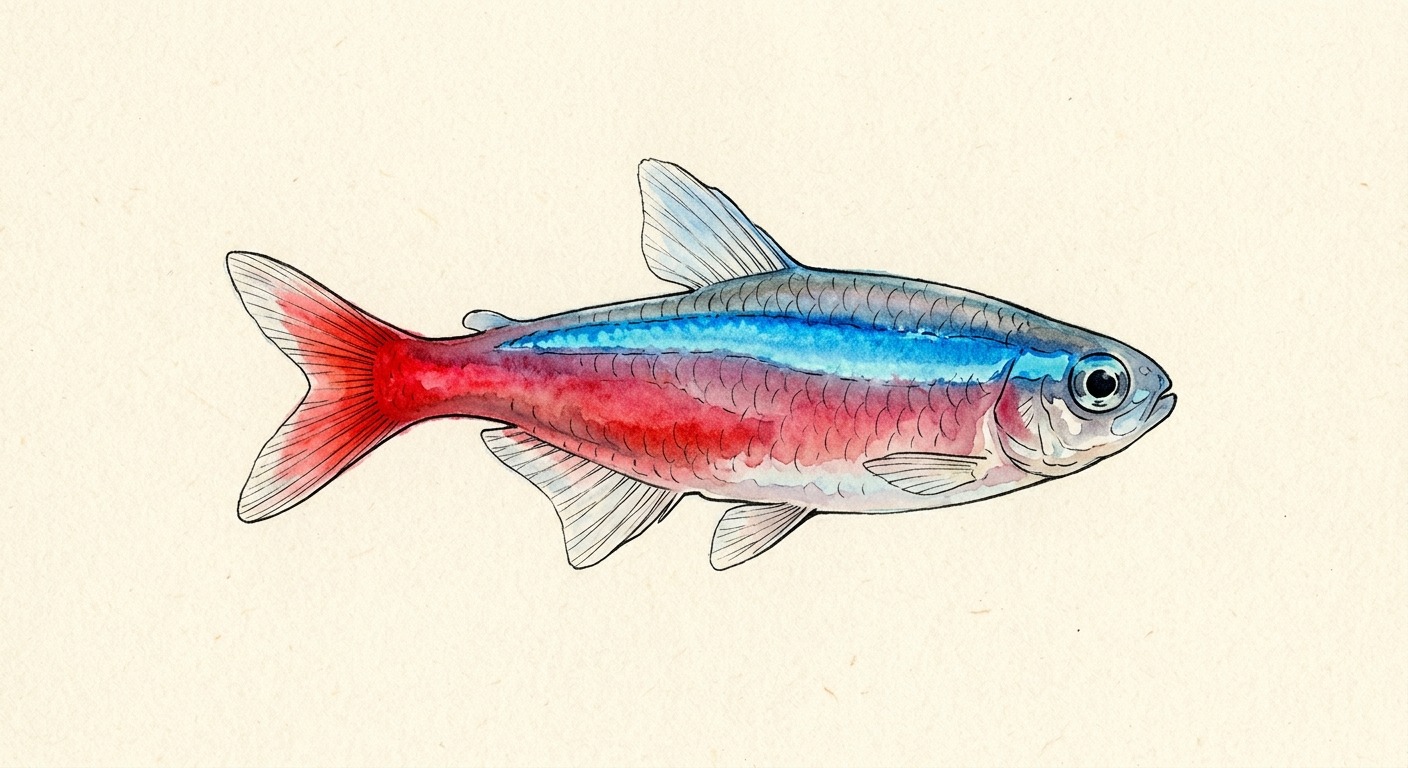
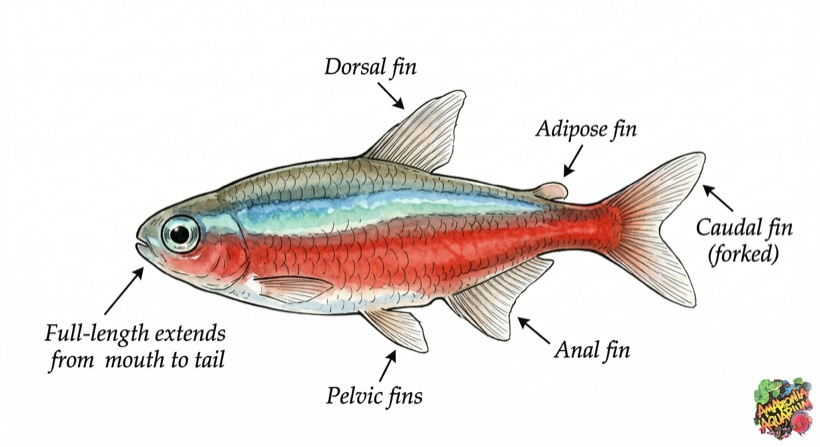
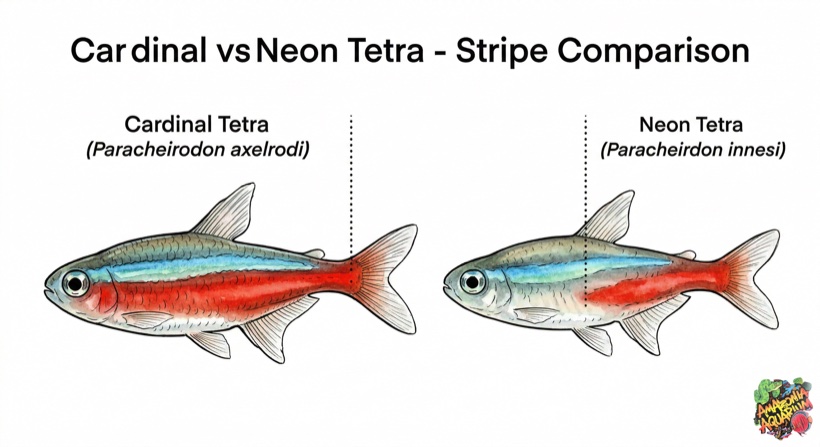
The common name “cardinal” refers to the rich red robes of a Roman Catholic cardinal. Unlike the neon tetra, whose red extends only from the mid-body to the tail, the cardinal tetra wears its crimson from the tip of the lower jaw to the base of the caudal fin — a full-length scarlet vestment. This distinction is the fastest way to tell the two species apart, even from across the room.
In the Rio Negro, where most wild cardinals originate, local communities call them *cardinal* as well, and the seasonal harvest of these fish is a vital economic lifeline. Project Piaba (“piaba” means small fish in Portuguese) has documented how the cardinal tetra fishery provides sustainable income to thousands of families while keeping the rainforest standing — a rare and genuine example of conservation through commerce.
Visual Varieties
🔴 Wild Type (Rio Negro)
The iconic form: full-length red stripe below a brilliant blue-green iridescent band, translucent fins, dark back.
🟡 Gold / Xanthic
A rare natural mutation lacking blue pigment — body appears golden-pink with a faint red stripe. Occasionally collected and sold at a premium.
🟠 Captive-Bred (Czech / Asian farm)
Farm-raised cardinals tend to show slightly less saturated colour than wild-caught, but adapt more readily to harder tap water.
Unlike neon tetras, which have been line-bred into diamond-head and long-fin variants, cardinal tetras remain largely in their wild form. The overwhelming majority entering the trade — estimated at 80–90% — are wild-caught from the Rio Negro basin. This means the colour you see is pure natural selection at work: generations of fish that survived in tannin-black, ultra-soft water. Farm-raised cardinals from the Czech Republic and Southeast Asia exist but make up a small fraction of the market. Wild-caught fish generally display deeper reds and more vivid blues, though they may take longer to acclimate to aquarium conditions. In either case, a dark substrate, subdued lighting, and tannin-stained water will draw out the most intense coloration.
Spot the Difference: Male & Female
Sexing cardinal tetras is even harder than sexing neons. The most reliable method is to observe body shape in mature fish: females carrying eggs have a distinctly fuller, rounder profile when viewed head-on. Males tend to be marginally slimmer and may appear slightly smaller. During the breeding season, males become more active and may engage in brief sparring displays — flashing their blue stripes at rivals. Outside of breeding condition, the two sexes look virtually identical, and even experienced breeders sometimes rely on placing groups together and waiting for natural pairing.
| Feature | Male | Female |
|---|---|---|
| Body Shape | Slender and slightly smaller | Deeper-bodied, noticeably rounder when gravid |
| Size | Typically 3–3.5 cm | Up to 4 cm |
| Red Stripe | Appears slightly narrower on lean body | Red band looks broader on fuller body |
| Blue Stripe | Straight and even | May show a gentle upward curve over a swollen belly |
| Behaviour | More assertive during spawning, displays to females | Less conspicuous, gravitates to centre of school |
Water Quality Requirements
4.5–7.0
ideal 5.5
24–28 °C
ideal 26 °C
1–8 dGH
Very soft water strongly preferred
Cardinal tetras come from some of the softest, most acidic water on Earth. The Rio Negro — literally “Black River” — has a pH that can drop below 4.0 and virtually zero measurable hardness. The water is stained deep brown by humic acids from decomposing leaf litter on the forest floor. You do not need to replicate these extremes in your aquarium, but understanding this origin explains why cardinals strongly prefer soft, acidic conditions.
In practice, a pH of 5.0 to 6.5 and hardness below 6 dGH will keep cardinals healthy and colourful. They tolerate neutral pH (7.0) reasonably well — especially captive-bred specimens — but colour intensity and long-term health are noticeably better in softer water. If your tap water is hard, blending 50–75% RO water is the simplest solution. Temperature should be warmer than for neons: 24–28 °C, with 26 °C as the sweet spot. Cardinals are less tolerant of cool water than neons, and prolonged exposure below 23 °C weakens their immune system.
Tank Requirements & Layout
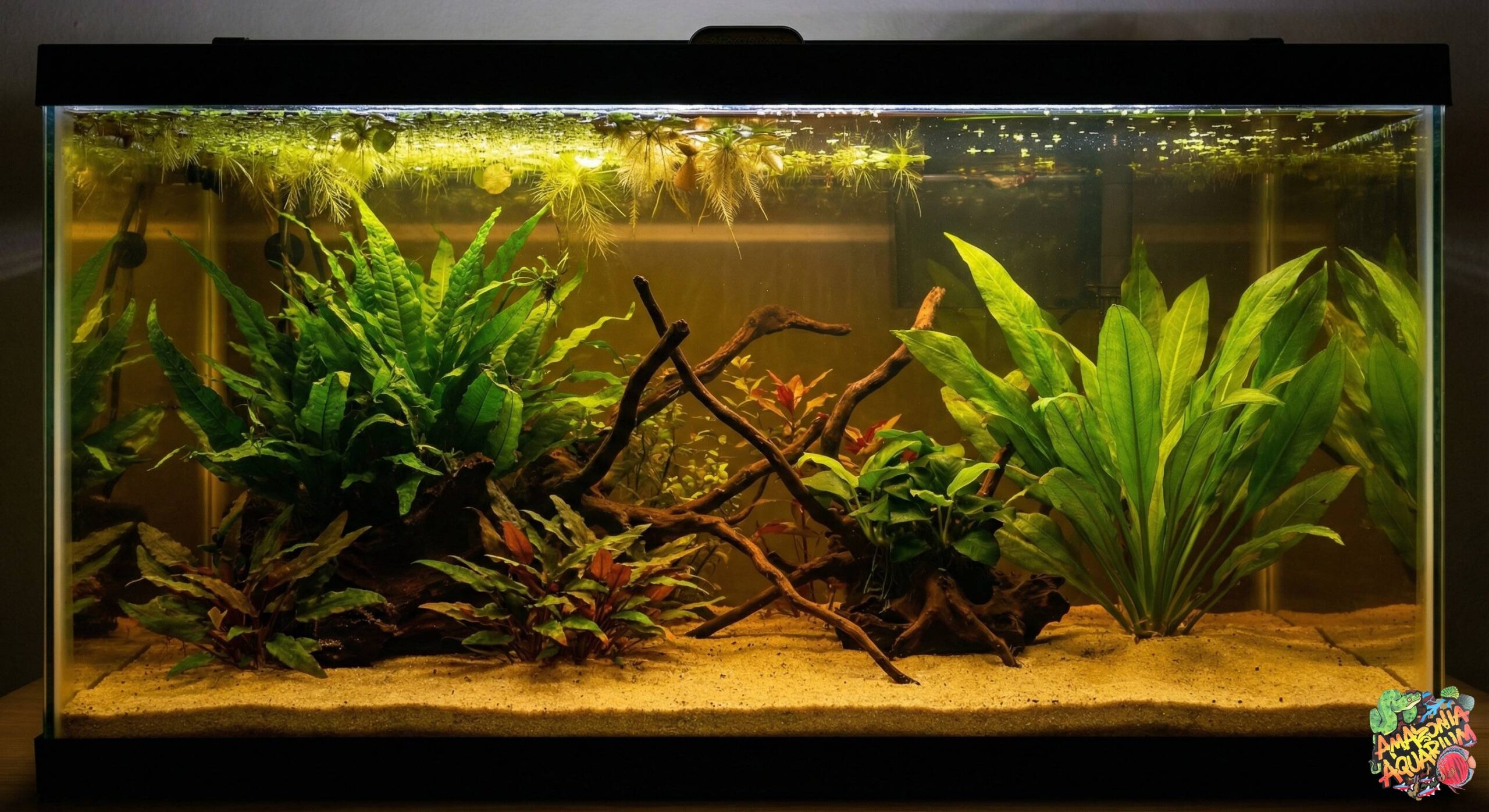
The ideal cardinal tetra tank evokes the flooded forest floors of the Amazon. Start with a dark, fine-grained substrate — ADA Amazonia or similar aquasoil both looks authentic and gently buffers the water toward acidity. Scatter driftwood generously: Malaysian driftwood, mopani, or spiderwood all leach tannins and create the shadowy caves and overhangs that cardinals shelter under in the wild.
Planting should be moderate to heavy, focusing on species that thrive in soft, acidic conditions. Cryptocoryne wendtii, java fern lashed to driftwood, Anubias nana on stones, and a carpet of Marsilea or Monte Carlo all work beautifully. Floating plants are almost mandatory — Salvinia minima, Amazon frogbit, or dwarf water lettuce diffuse light and make cardinals feel safe enough to swim in the open. Without surface cover, they tend to hide in the lower reaches of the planting.
A 40-litre tank comfortably holds a school of 10, but cardinals look their absolute best in groups of 20+ in a 60–80 litre setup, where the school forms a shimmering ribbon of blue and red that drifts through the scape like a living brushstroke.
Minimum 40 L (10 gal); 60–80 L strongly recommended for a proper school
Sponge filter or canister with baffled output — gentle flow is essential
50 W adjustable heater set to 26 °C; always use with a separate thermometer
Subdued to moderate; dimmable LED on a timer (6–8 hours). Floating plants help diffuse
Buffering aquasoil (e.g. ADA Amazonia) or fine dark sand over a nutrient layer
Driftwood pieces for tannin release, leaf litter (Indian almond, Catappa), and stones
Cryptocoryne, java fern, Anubias, floating plants (frogbit, Salvinia)
Essential if tap water exceeds 8 dGH or pH 7.5 — blend RO water to reach target parameters
Feeding Schedule & Diet
In the wild, cardinal tetras feed on micro-invertebrates, tiny crustaceans, insect larvae, and algae biofilm — essentially whatever drifts past in the current. In captivity, they are unfussy eaters that accept a wide variety of foods. The best staple is a high-quality micro-pellet or slow-sinking granule rich in carotenoids (astaxanthin, spirulina) to maintain the intense red pigmentation.
Frozen foods should feature prominently in the weekly diet. Baby brine shrimp, daphnia, cyclops, and bloodworms (chopped small) are all excellent. Live foods — particularly vinegar eels, micro-worms, and freshly hatched Artemia — elicit the strongest feeding response and are invaluable for conditioning breeders. Feed twice daily in small pinches. Cardinal tetras have tiny stomachs, and it is better to underfeed slightly than to leave uneaten food decomposing in soft, acidic water where bacterial blooms can develop rapidly.
Breeding in Captivity
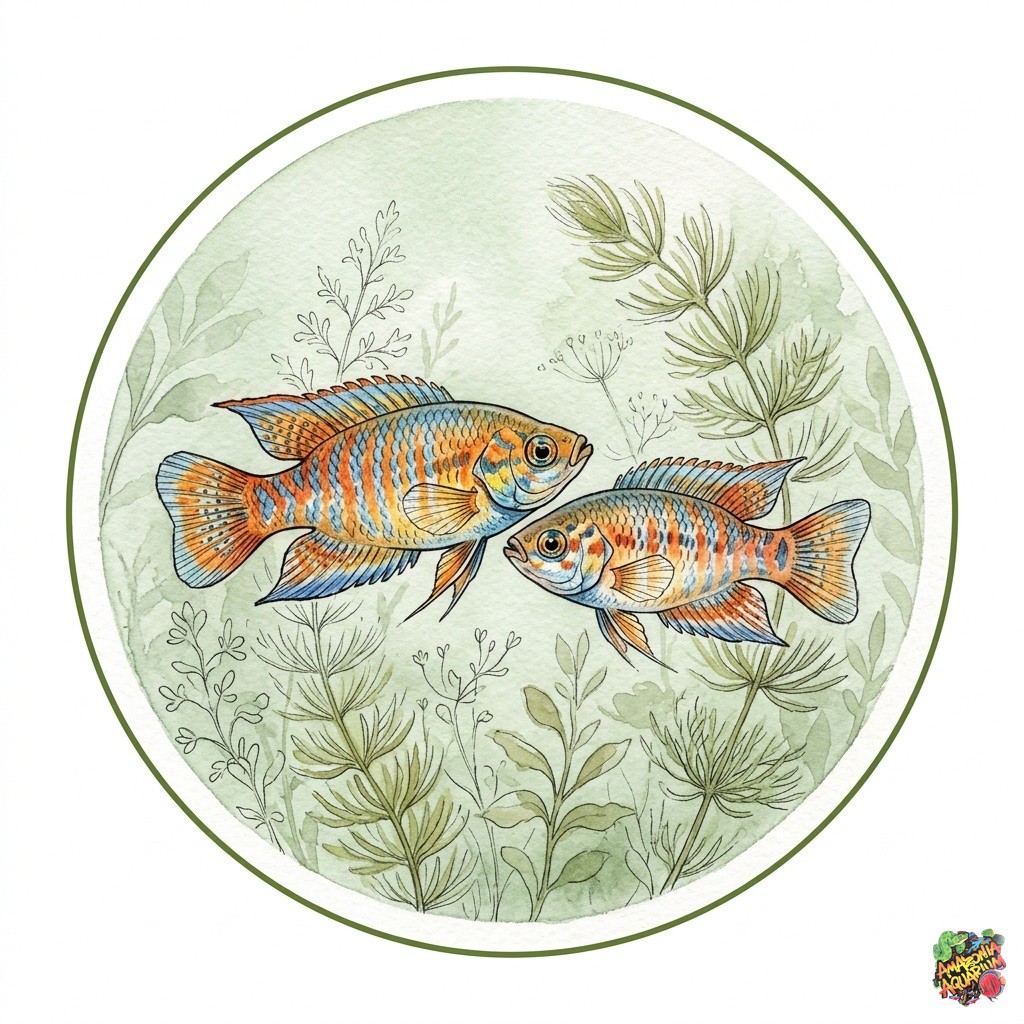
Week -2 to -1
Conditioning
Separate and feed heavily with live foods
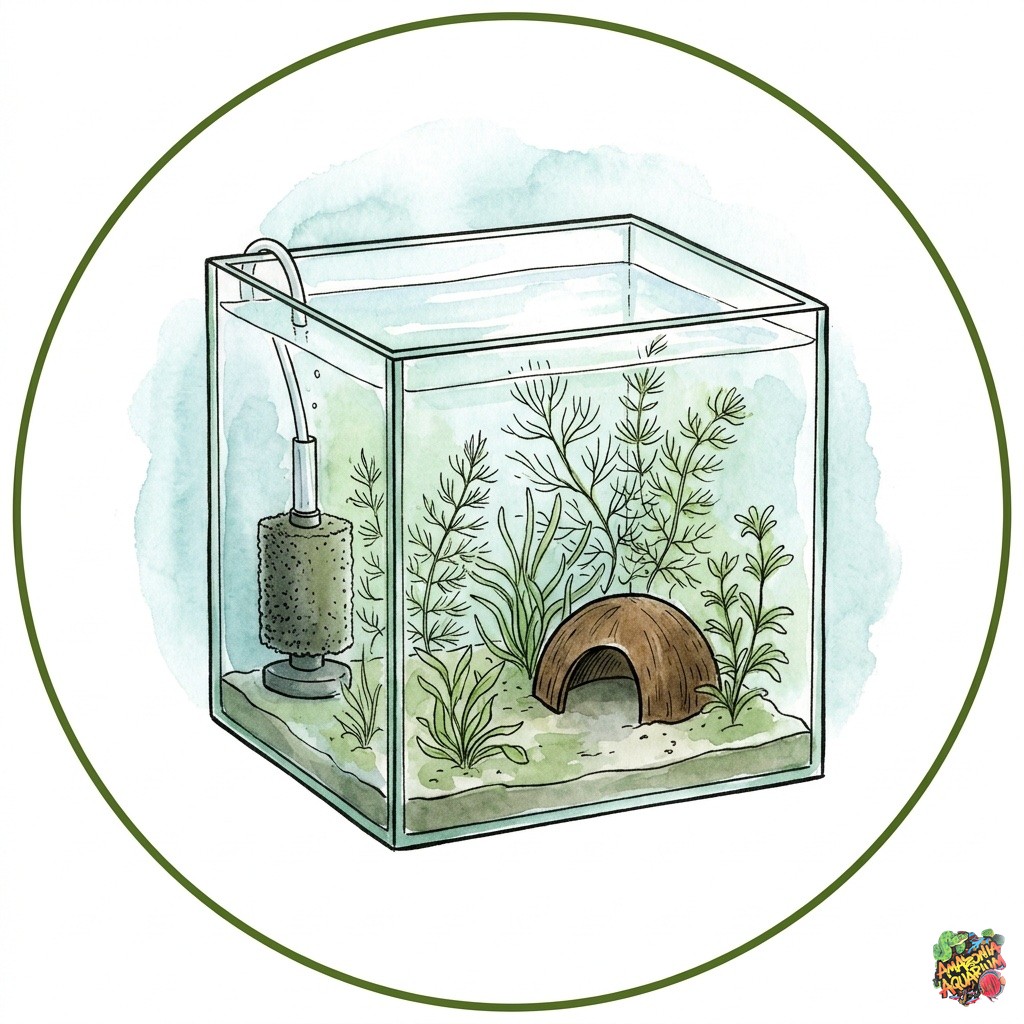
Day 0
Spawning Tank Preparation
Ultra-soft water, pH 5.0–5.5, total darkness
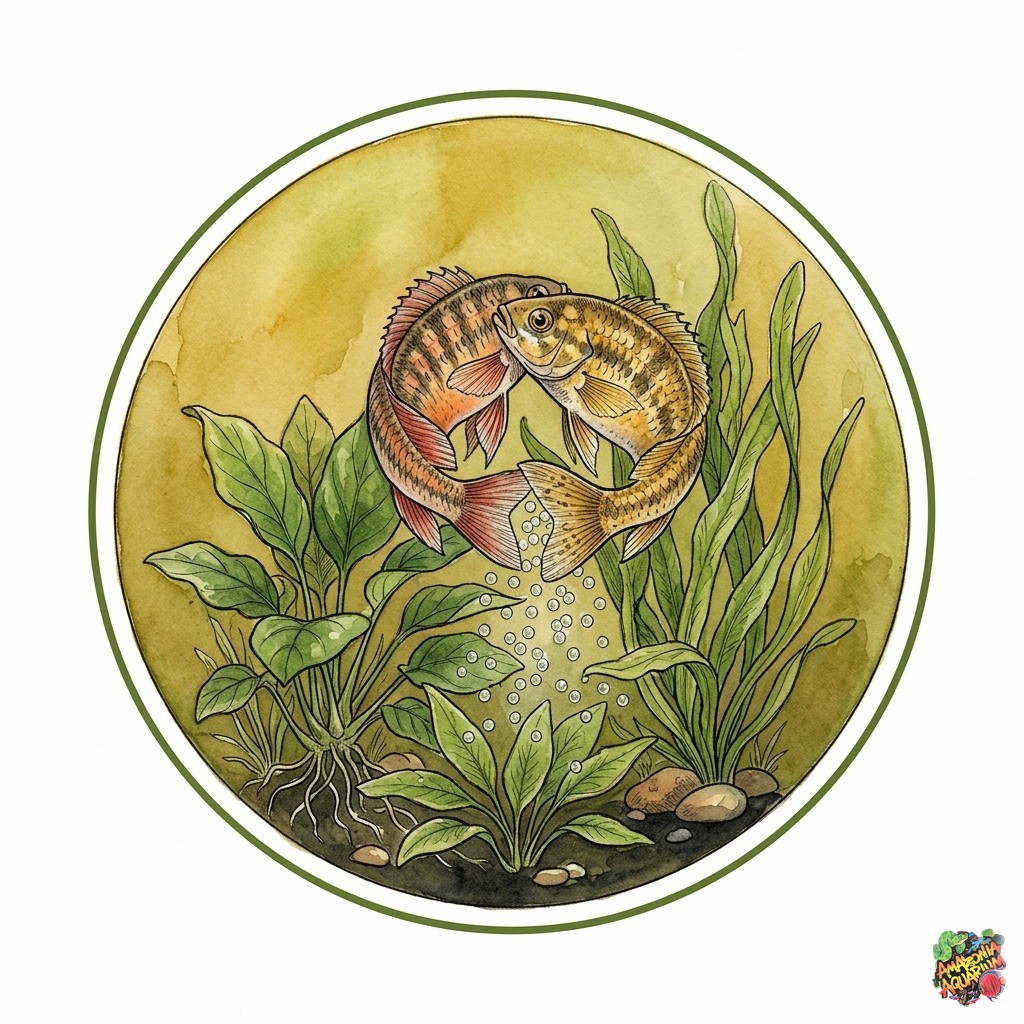
Day 1
Spawning
Pair introduced at dusk; spawning at dawn
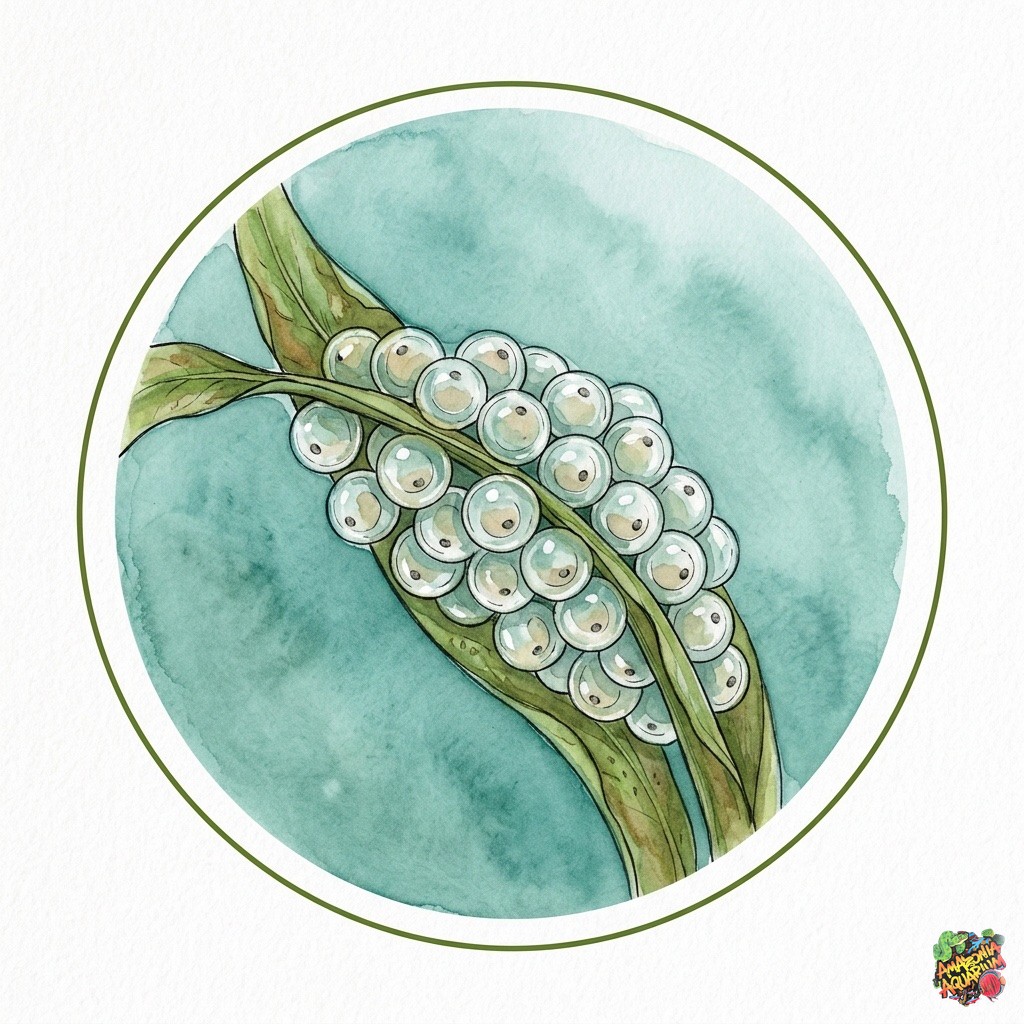
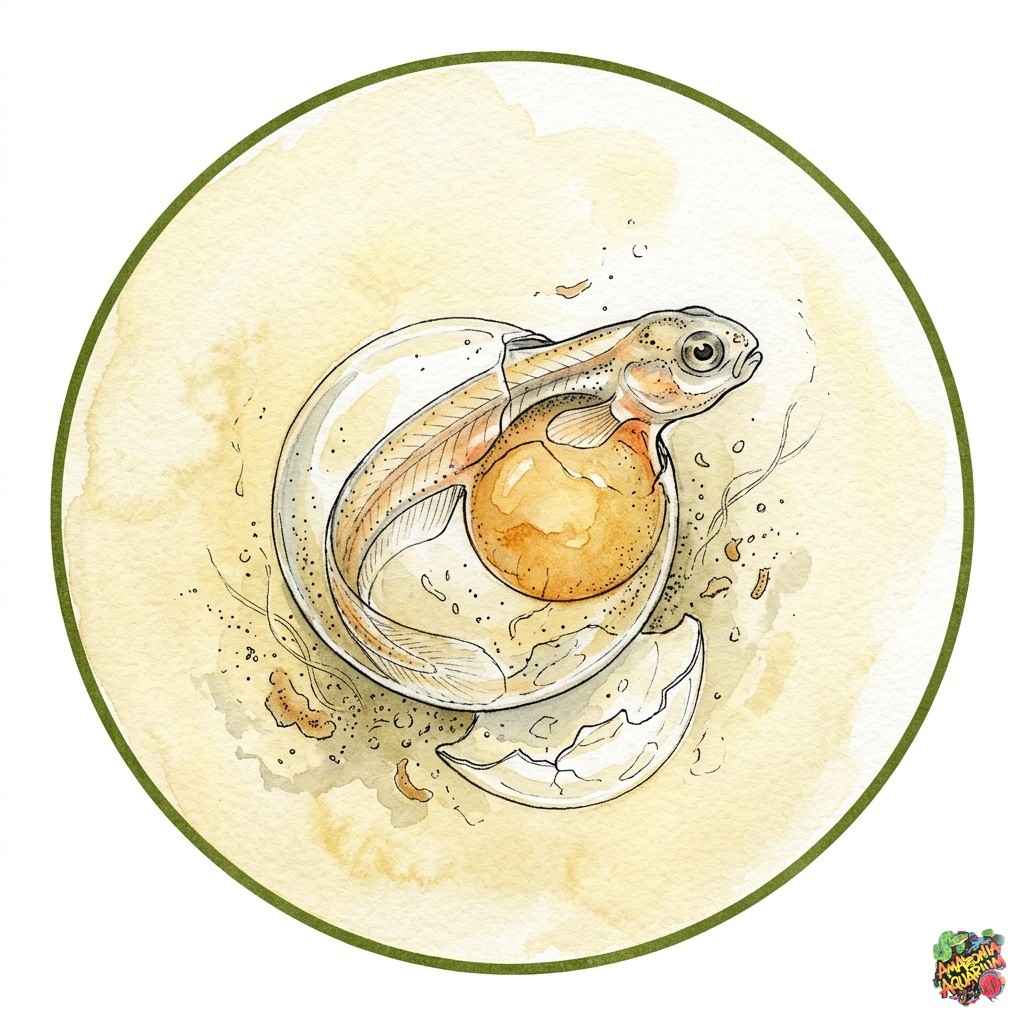
Day 2–3
Incubation
Eggs develop in complete darkness; 24–36 hours to hatch
Day 3–5
Yolk Absorption
Fry absorb yolk sac, remain stationary
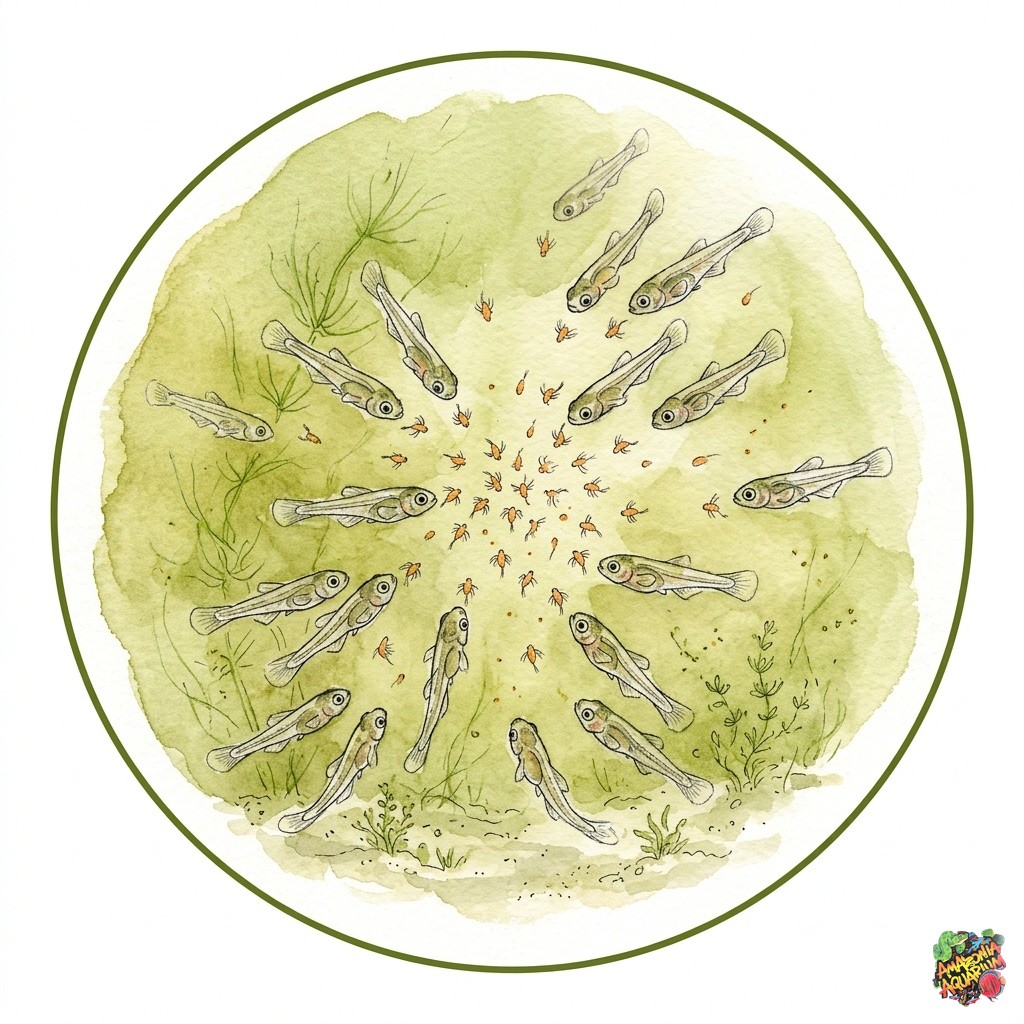
Day 5–10
First Feeding
Infusoria, then freshly hatched brine shrimp
Conditioning
Select healthy, mature fish (at least 9 months old) and separate males from females for 10–14 days. Feed generously with live baby brine shrimp, daphnia, and grindal worms. Females should become visibly plump with eggs. Males will display brighter colours and increased activity.
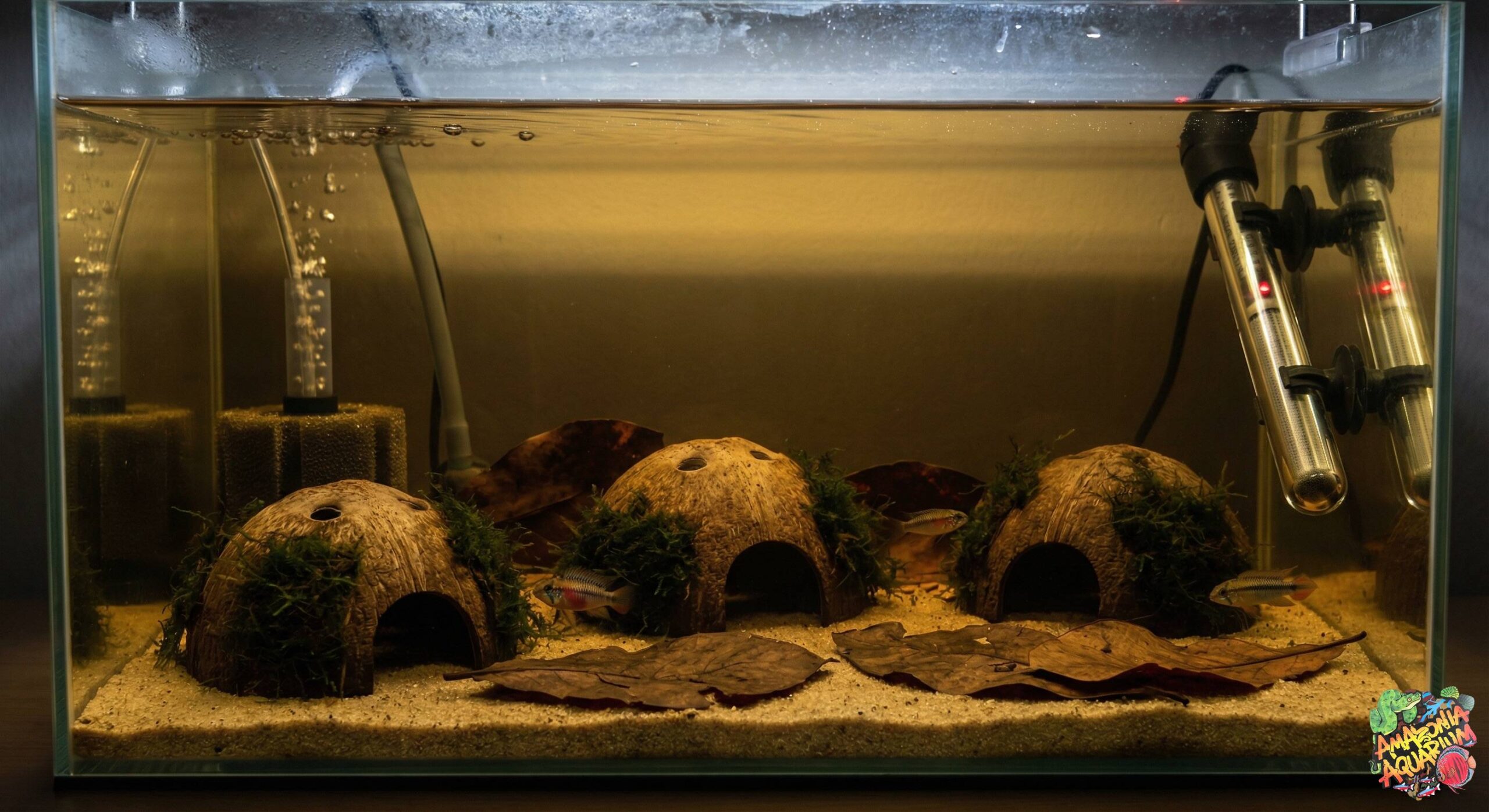
Spawning Tank Preparation
Prepare a small breeding tank (10–15 L) filled with nearly pure RO water remineralised to 1–2 dGH and acidified to pH 5.0–5.5 using blackwater extract or peat filtration. Temperature should be 26–27 °C. Place a fine mesh or clump of java moss on the bottom to catch eggs. The tank must be kept in near-total darkness — cardinal tetra eggs are even more light-sensitive than neon eggs. Cover the tank with dark cloth or cardboard.
Spawning
Introduce one conditioned pair in the evening. Spawning typically occurs in the early morning hours. The male drives the female through the moss or over the mesh, and she scatters 100–500 tiny, transparent eggs. Remove the parents immediately after spawning — both will consume every egg they can find. Cardinal tetras scatter more eggs per spawning event than neons, but the eggs are equally fragile.
Incubation
Eggs hatch in 24 to 36 hours at 26 °C. Keep the tank in complete darkness throughout incubation. Remove any opaque white eggs (infertile) with a pipette to prevent fungus. A drop of methylene blue in the water provides antifungal protection without harming developing embryos.
Yolk Absorption
Newly hatched fry are microscopic and nearly invisible. They cling to surfaces or rest on the bottom while absorbing their yolk sac over 2–3 days. Do not feed during this period. Begin allowing very faint, indirect light so you can monitor progress, but keep conditions dim.
First Feeding
Once free-swimming, fry need infusoria or liquid fry food for the first 5–7 days. Their mouths are too small for even freshly hatched brine shrimp initially. Transition to baby brine shrimp (Artemia nauplii) after about a week. Growth is extremely slow — expect 3–4 months before juveniles develop adult colouration. Cardinal tetra breeding remains rare enough in the hobby that most fish continue to be wild-caught.
Choosing Tank Mates
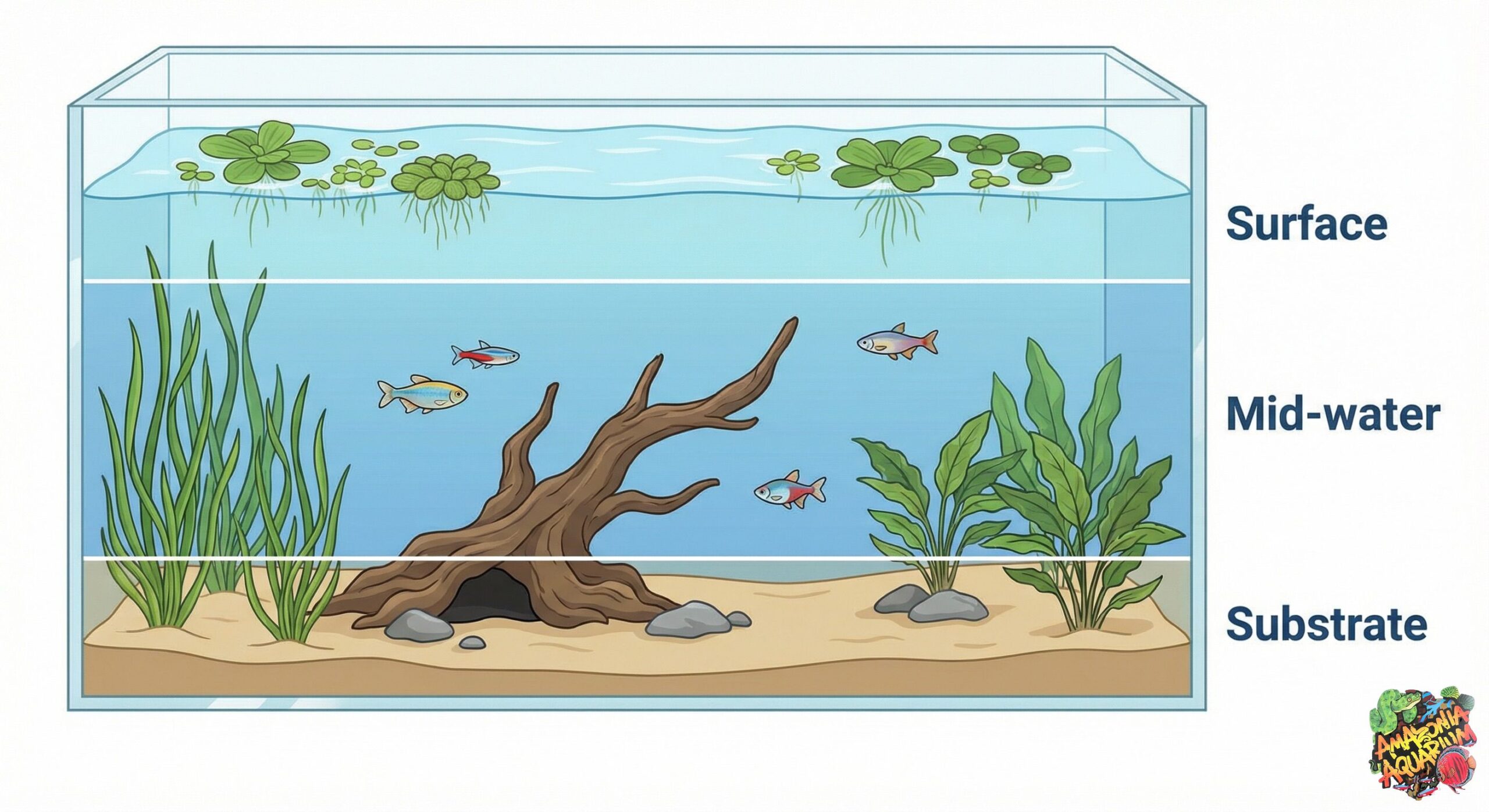
Cardinal tetras are supremely peaceful community fish — they have never been known to nip fins, bully tank mates, or cause trouble of any kind. Their only vulnerability is their small size, which makes them a target for anything with a large enough mouth. The ideal community pairs cardinals with other soft-water South American species for an authentic biotope feel: a school of 15–20 cardinals in the mid-level, a group of Sterbai corydoras shuffling along the bottom, an Apistogramma pair holding a cave territory, and a carpet of plants tying it all together. This setup replicates the layered structure of an Amazon stream margin and produces an aquarium that is both visually striking and ecologically harmonious. Always keep cardinals in groups of at least 10 — larger schools are dramatically more confident and colourful.
| Species | Why | |
|---|---|---|
| ✅ | Neon Tetra | The classic pairing — cardinals and neons in the same tank create a dazzling display of blue and red at two slightly different intensities |
| ✅ | Rummy Nose Tetra | Arguably the tightest schooling tetra; their precision formation contrasts beautifully with the cardinal’s looser drift |
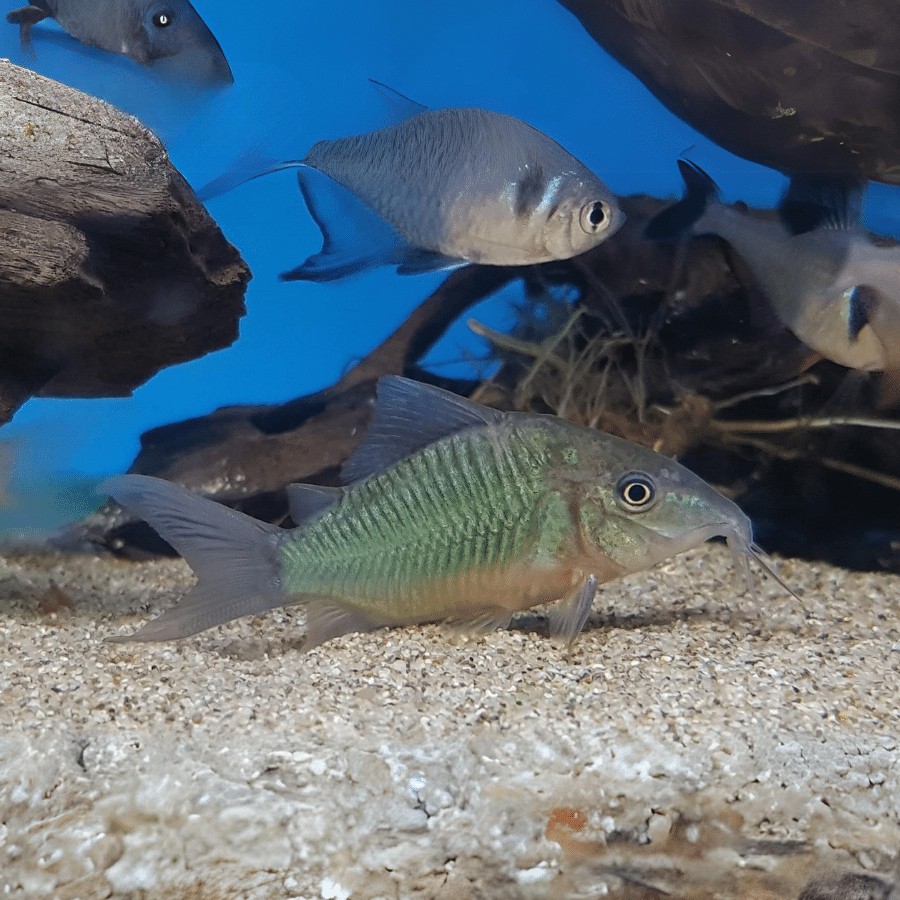
| ✅ | Corydoras (Sterbai) | Warm-water corydoras that thrive at 26 °C; perfect bottom-level companions for cardinals |
| ✅ | Otocinclus | Peaceful algae grazers from the same South American soft-water habitats; completely ignore cardinals |
| ✅ | Apistogramma cacatuoides | A stunning dwarf cichlid centrepiece that occupies the bottom level; cardinals are too fast and too small to be bothered |
| ✅ | Pearl Gourami | Gentle top-level gourami; its pearlescent body creates a beautiful contrast with the cardinal’s bold stripes |
| ✅ | Cherry Barb | Peaceful and colourful; males in breeding dress add intense red to the mid-level alongside the cardinals |
| ✅ | Dwarf Chain Loach | Small, active bottom-dwellers that add movement and personality without any aggression toward tetras |
| ✅ | Galaxy Rasbora | Another micro-fish with complementary spotted patterning; peaceful and similar care requirements |
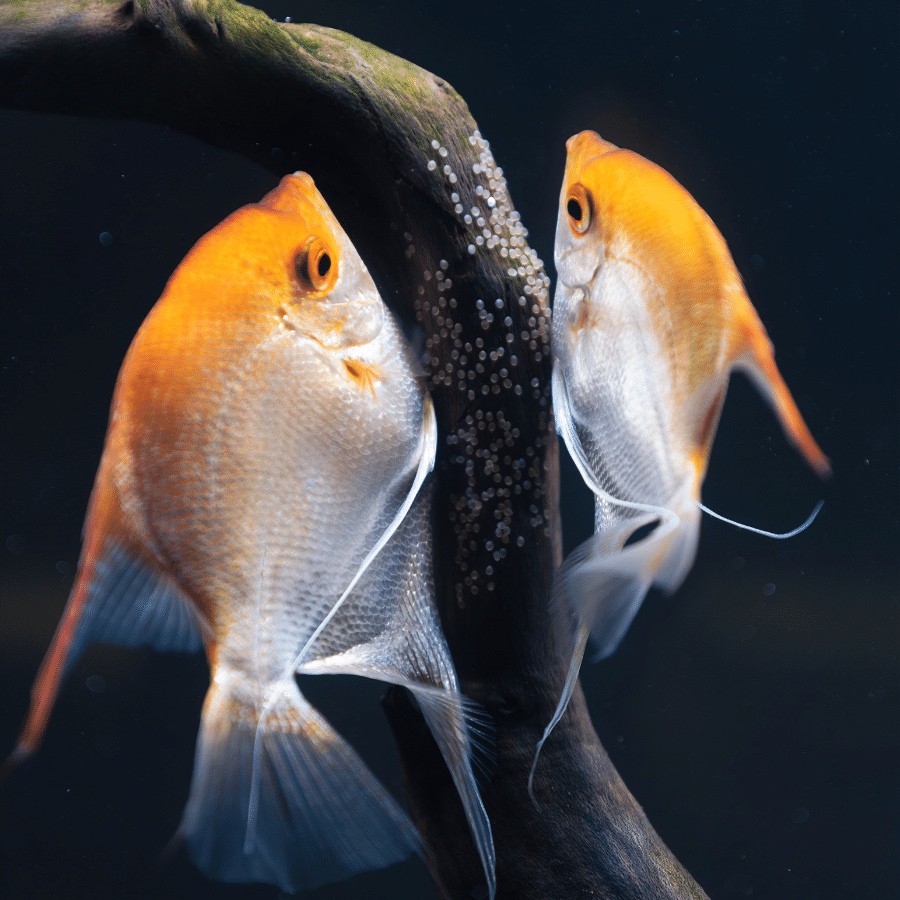
| ❌ | Angelfish | Ironic given both are Amazonian, but adult angelfish readily prey on cardinal tetras |
| ❌ | Convict Cichlid | Highly territorial Central American cichlid that will attack and kill small tetras, especially when breeding |
| ❌ | Chinese Algae Eater | Becomes aggressive and territorial with age; will chase and stress cardinals in enclosed spaces |
| ❌ | Red-Tail Black Shark | Territorial bottom-dweller that harasses small fish, especially in tanks under 200 litres |
Quick Reference
| Scientific Name | Paracheirodon axelrodi |
| Adult Size | 3–4 cm |
| Lifespan | 4–6 years (up to 10) |
| pH | 4.5–7.0 (ideal 5.5) |
| Temperature | 24–28 °C (ideal 26 °C) |
| Hardness | 1–8 dGH |
| Min Tank Size | 40 L |
| School Size | 10+ (20+ recommended) |
| Diet | Micro-pellets, flakes, frozen/live foods |
| Care Level | Beginner |
| Temperament | Peaceful |
| Tank Position | Middle |
| Breeding | Egg scatterer — extremely difficult |
| Wild-Caught | ~80–90% of trade stock |
| Product ID | 3321 |
Sydney Keeper Tips
Keeping Cardinal Tetras in Sydney comes with specific advantages and challenges. Here’s what local keepers should know.
Sydney Tap Water
Cardinals prefer even softer water than Neons (pH 5.5–6.5 ideally). Sydney tap water at pH 7.0–7.6 is on the high side. For breeding, you’ll need RO water or peat filtration. For keeping, they’ll adapt to Sydney tap if acclimated slowly.
Seasonal Considerations
Cardinals are less cold-tolerant than Neons. Keep heaters set to 25–27°C year-round. During winter power outages, insulate the tank with towels — Cardinals stress quickly below 22°C.
Local Tips
- Consider Indian almond leaves (available at most Sydney aquarium shops) to naturally soften water and add tannins.
- Cardinals are wild-caught more often than Neons — quarantine new arrivals for 2 weeks.
- Sydney’s stable water supply means fewer parameter swings — Cardinals appreciate this consistency.
Frequently Asked Questions
What’s the difference between Cardinal and Neon Tetras?
Are Cardinal Tetras harder to keep than Neons?
Can I mix Cardinals and Neons?
Why are my Cardinals hiding?
Do Cardinal Tetras breed in home aquariums?
Related Products

Reviews
Clear filtersThere are no reviews yet.