🪨 Species at a Glance
| Scientific Name | Ambastaia sidthimunki |
| Former Name | Yasuhikotakia sidthimunki |
| Common Names | Dwarf Chain Loach, Chain Botia, Dwarf Botia, Sid |
| Family | Botiidae |
| Origin | Thailand & Laos — Mae Klong and Mekong basins |
| Adult Size | 4.5–5.5 cm (1.8–2.2 in) |
| Lifespan | 8–12 years |
| Water Type | Tropical Freshwater |
| Temperature | 24–28 °C (75–82 °F) |
| pH Range | 6.0–7.5 |
| Care Level | Intermediate |
| Minimum Group | 6+ (social species) |
| Tank Position | Bottom to lower-midwater |
| Min Tank Size | Medium — 40–100 L (10–25 gal) |
Colour Forms & Morphs
🟡 Standard Wild-Type
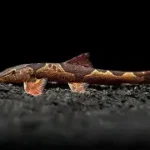
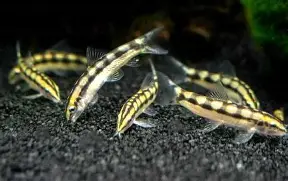
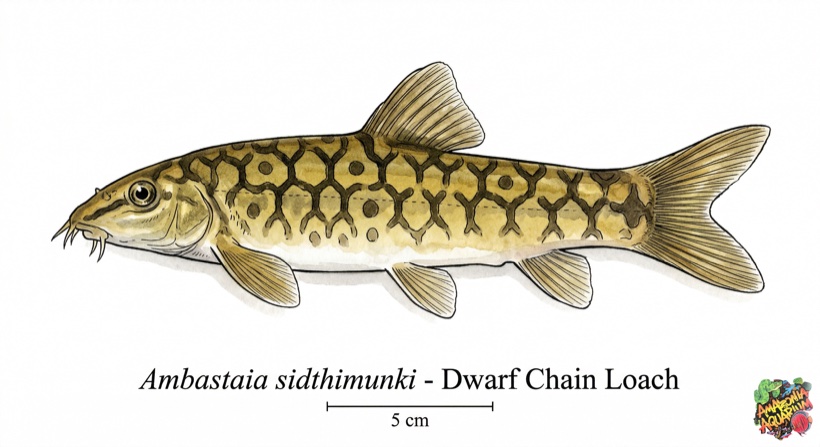
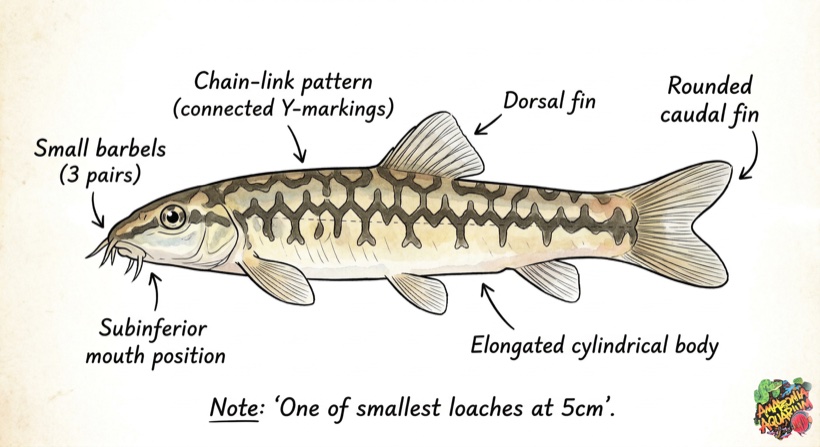
Bright golden-cream base with bold dark-brown chain-link bands running along the flanks — the classic and most commonly available form.
✨ High-Gold Juvenile
Young specimens often display an intensely saturated gold base that mellows slightly with maturity, though well-kept adults retain strong gold colouration.
⚠ Faded / Stress Pattern
Under stress or in sparse groups the dark bands pale to a washed-out grey, a reliable visual indicator that husbandry needs attention.
Unlike many ornamental fish, the Dwarf Chain Loach has not been selectively bred into distinct colour morphs. The species is almost exclusively wild-caught or pond-bred in Southeast Asia, so what you see in the store is essentially the wild phenotype. That said, colour intensity varies dramatically with conditions. A group of six or more in a well-planted tank with tannin-stained water will display deep chocolate bands against a rich gold body. The same fish kept alone in a bare tank will look washed-out and anxious. Colour, in this species, is an honest signal of welfare — make them happy and they will reward you with their best display.
Telling Males from Females
Sexing Dwarf Chain Loaches is notoriously difficult, even for experienced keepers. Outside of breeding condition the differences are subtle at best — a marginally plumper belly on females, a fractionally sleeker profile on males. There is no reliable fin-shape or colour difference to lean on. The most practical approach is to buy a group of at least six and let nature sort out the ratio. In a well-conditioned group with varied diet, gravid females will eventually stand out by their visibly swollen abdomens, particularly when viewed from above. Do not stress over sexing individuals at the point of purchase; the species is social first and foremost, and a healthy mixed group is far more important than a precise sex ratio.
| Feature | Male | Female |
|---|---|---|
| Body Shape | Slightly slimmer and more streamlined | Rounder and fuller, especially when gravid |
| Size | Typically 4–5 cm | Can reach 5–5.5 cm |
| Colour Intensity | Marginally brighter gold base | Similar but may appear slightly duller when full of eggs |
| Behaviour | More likely to lead chain processions | Tends to stay closer to cover when gravid |
| Difficulty to Sex | Very difficult outside breeding condition | Identifiable mainly by rounded belly when carrying eggs |
Where the Name Comes From
The common name ‘Dwarf Chain Loach’ is wonderfully literal. Watch a settled group for five minutes and you will see why: the fish form loose, single-file processions that wind across the substrate and around décor, giving the appearance of a tiny golden chain dragging itself through the aquascape. This behaviour is not merely cute — it is a social bonding mechanism that reinforces the group hierarchy and reduces stress.
The scientific name has its own story. The species was originally described as Botia sidthimunki by Klausewitz in 1959, named in honour of Aree Sidthimunk, a Thai fisheries officer who collected the type specimens. Over the decades the genus bounced through Yasuhikotakia before landing in Ambastaia, a relatively recent genus erected to separate this lineage from the larger, more aggressive botiid loaches.
In Australia the fish is sometimes marketed simply as ‘Sid’ — an affectionate abbreviation of sidthimunki that has stuck among enthusiasts. Whatever you call it, the species is unmistakable once you have seen a group in motion: no other loach of this size is so bold, so gregarious, or so consistently active during daylight hours.
Feeding Guide
Dwarf Chain Loaches are true omnivores with a marked preference for small invertebrates. In the wild they graze on insect larvae, tiny crustaceans, and — importantly for the aquarist — snails. A well-fed group will methodically clear a tank of pest snails (Malaysian trumpet snails, bladder snails, ramshorn juveniles) without any intervention from you.
In captivity, offer a varied diet built around high-quality sinking pellets or mini wafers as the staple. Supplement two to three times per week with frozen foods such as bloodworm, brine shrimp, daphnia, and cyclops. Occasional live foods — grindal worms, baby brine shrimp, or micro worms — will trigger the most enthusiastic feeding response and help condition fish for breeding. Blanched vegetables (zucchini medallions, cucumber slices) are accepted but less eagerly than protein-based foods.
Feed once or twice daily in small amounts that the group consumes within two to three minutes. These fish have tiny stomachs and benefit from frequent small meals rather than one large feeding. Overfeeding fouls water quickly in the moderate tank sizes typically used for this species.
Breeding Guide
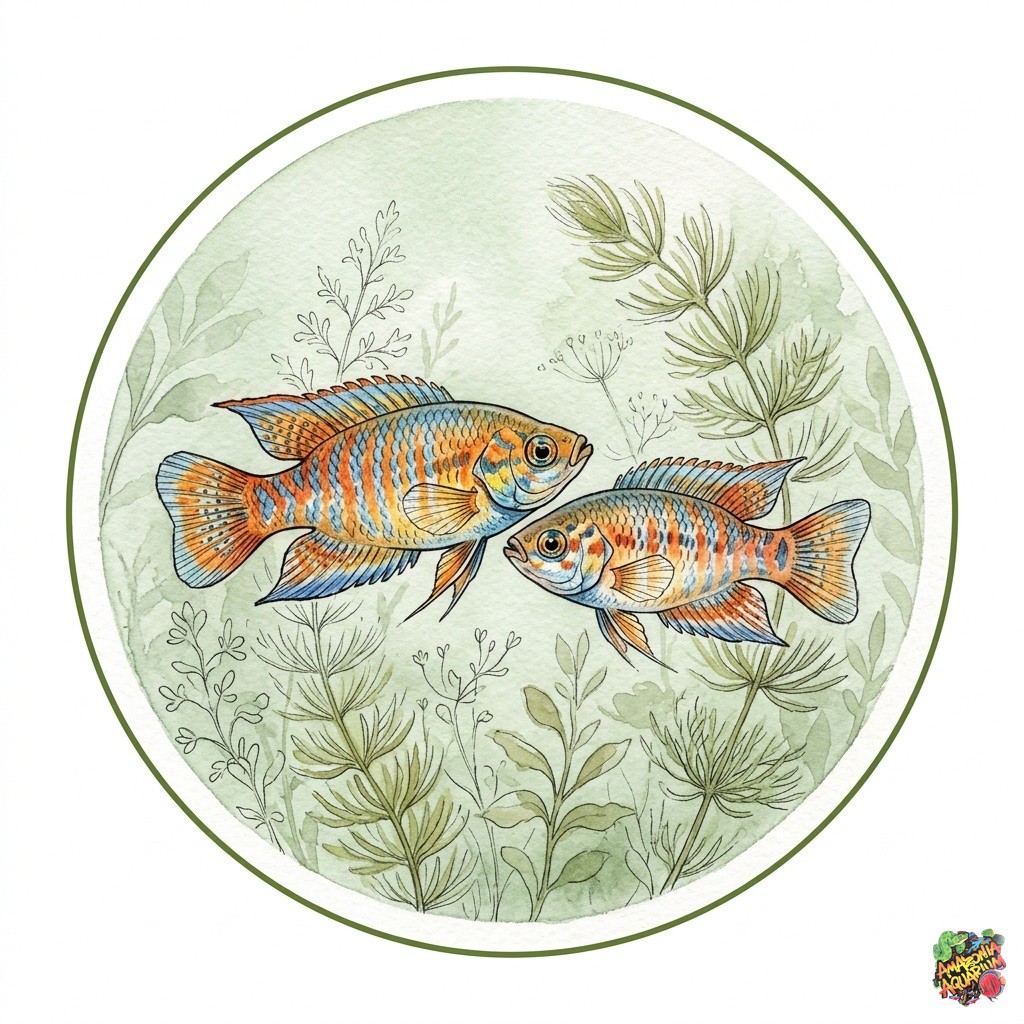
Weeks 1–4
Conditioning
High-protein diet, stable warm water, large group essential
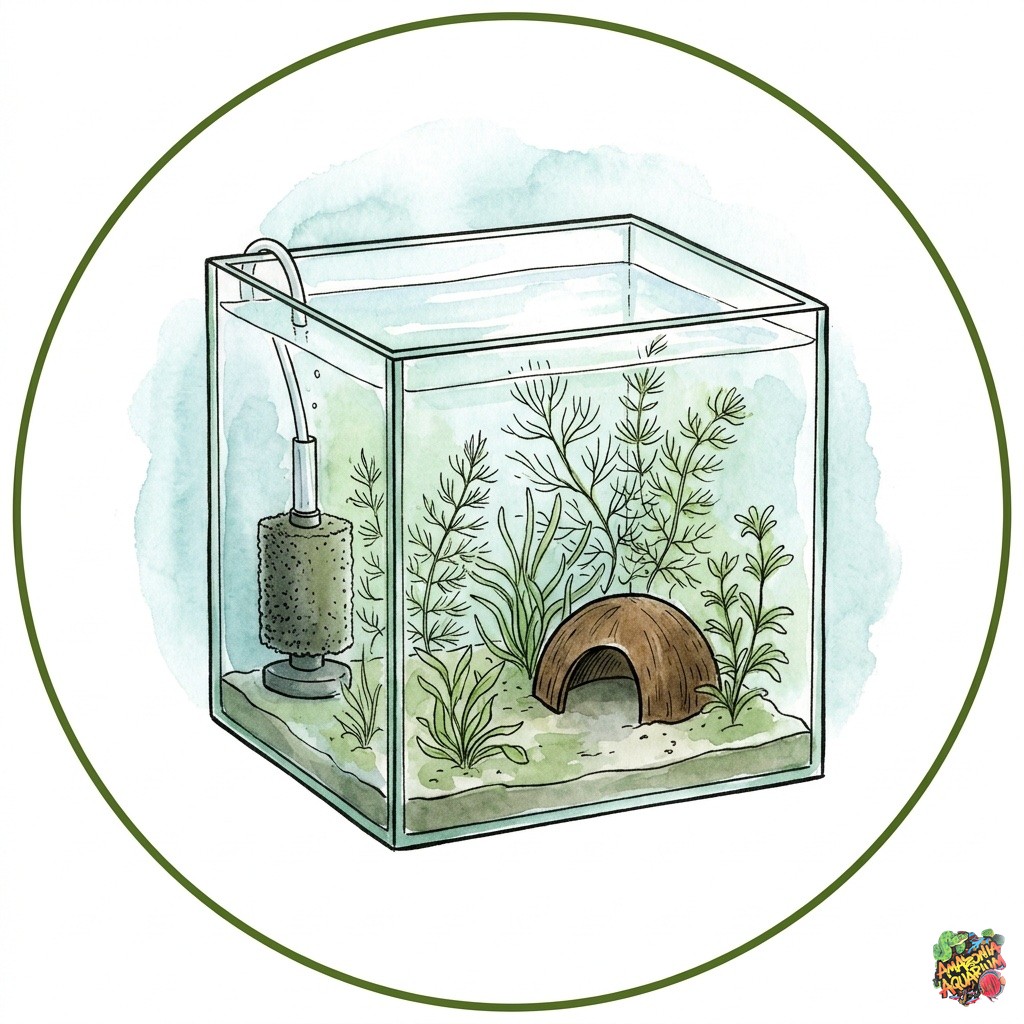
Week 5
Spawning Trigger
Cool water change simulating seasonal rains
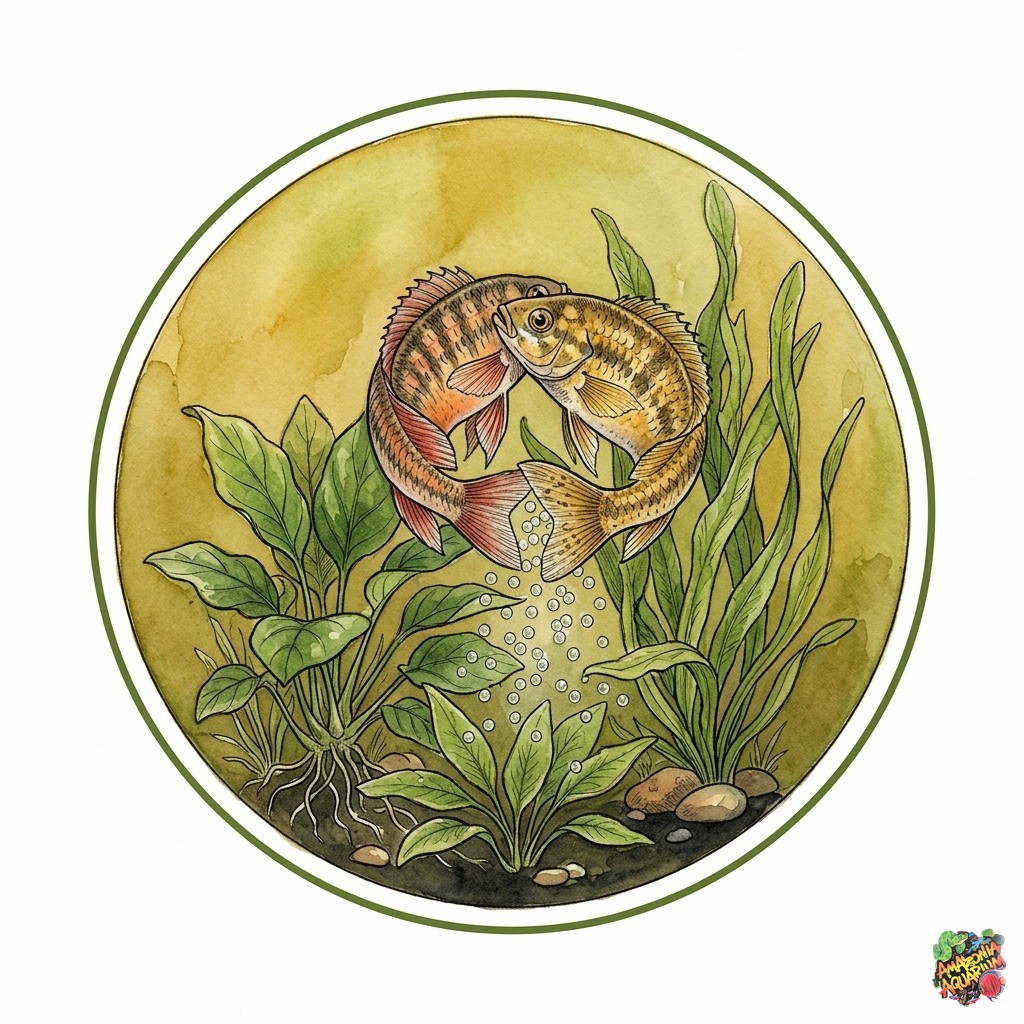
Day 0
Egg Scattering
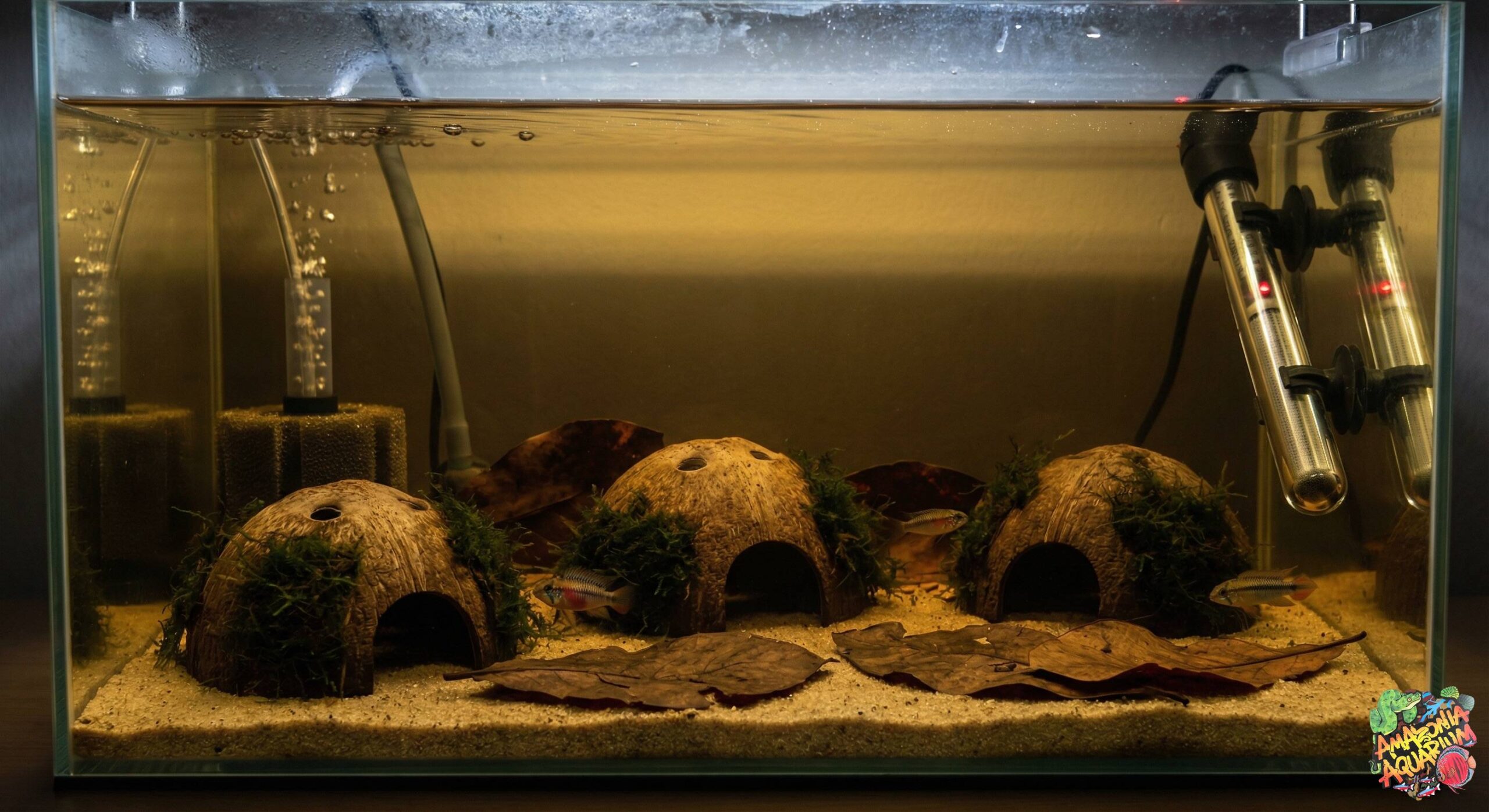
Eggs scattered among fine-leaved plants or mops
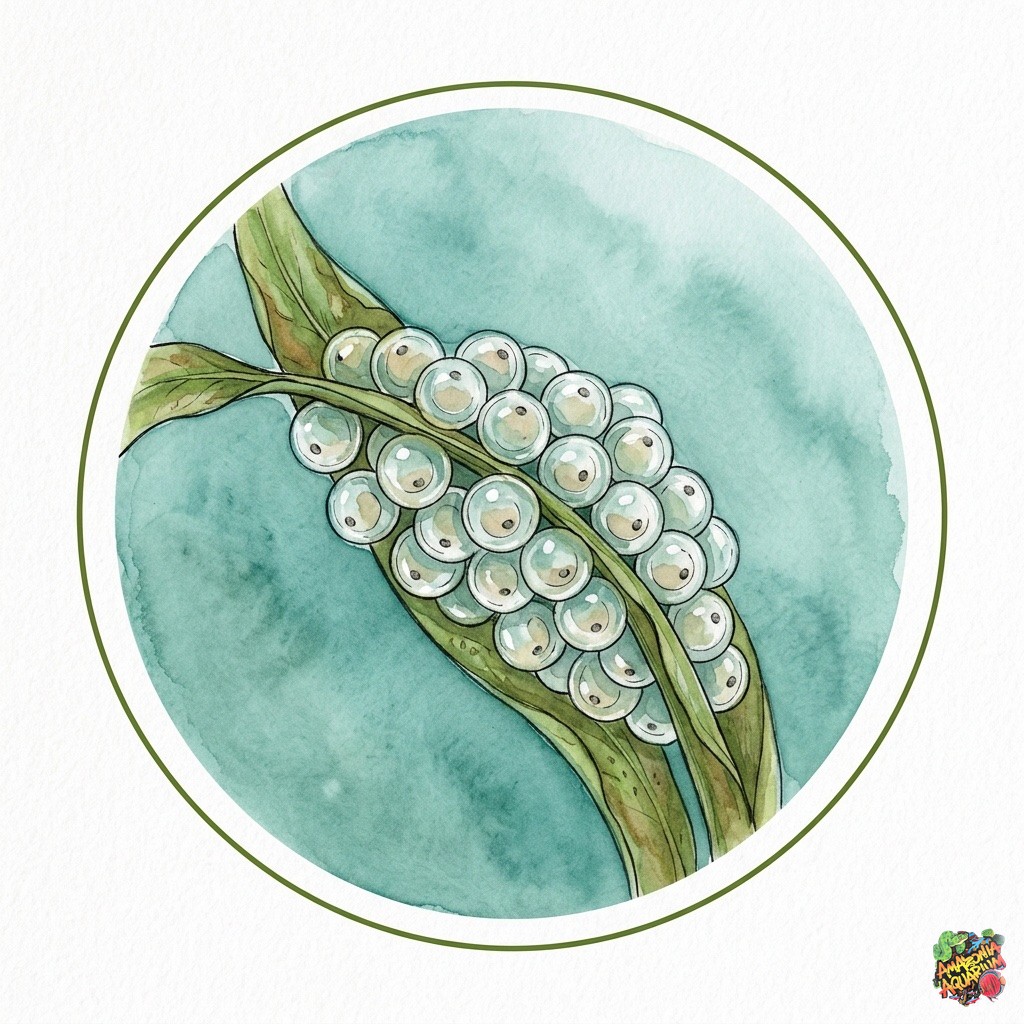
Days 2–3
Hatching
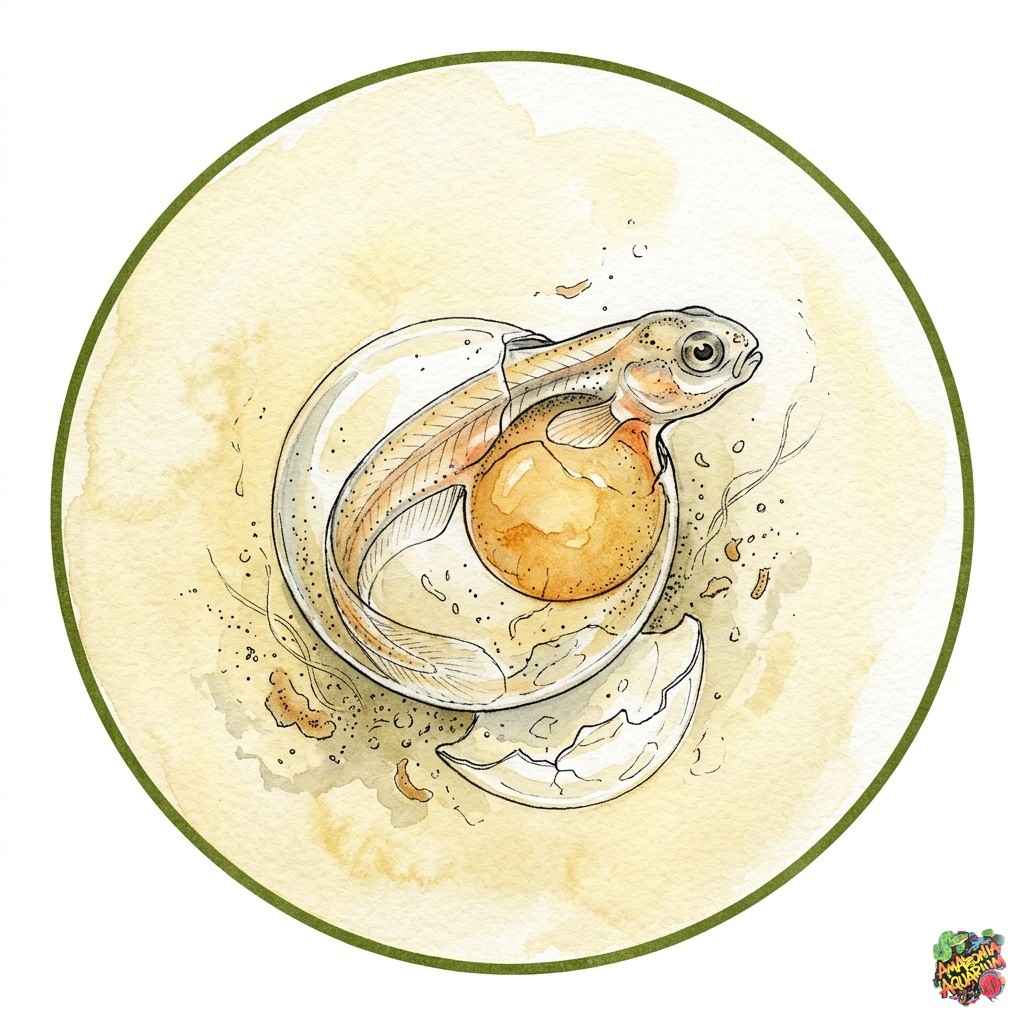
Fry emerge, absorb yolk sac
Days 4–14
First Feeding & Growth
Infusoria, then baby brine shrimp
Conditioning
Breeding Dwarf Chain Loaches in captivity is uncommon and considered a genuine achievement. Begin by conditioning a group of at least eight to ten adults with frequent feedings of live and frozen foods — bloodworm, daphnia, and grindal worms are excellent choices. Maintain pristine water quality with weekly 25 % water changes and keep the temperature at the upper end of their range, around 27–28 °C.
The social dynamics of a large group appear to be important. Isolated pairs rarely spawn; the presence of multiple individuals seems to stimulate reproductive behaviour, likely through pheromonal and visual cues.
Spawning Trigger
After several weeks of conditioning, attempt to trigger spawning by performing a larger-than-usual water change (40–50 %) with water a few degrees cooler than the tank temperature. This simulates the onset of the monsoon season in their native habitat. A slight drop in barometric pressure (coinciding with real weather changes) has been anecdotally linked to successful spawns.
If spawning is imminent, you may notice increased chasing, the chain formation becoming tighter and more frenetic, and males pursuing gravid females into dense plant cover or fine-leaved spawning mops.
Egg Scattering
Dwarf Chain Loaches are egg scatterers. The female releases small, adhesive eggs among fine-leaved plants (Java moss, Taxiphyllum) or synthetic spawning mops. The adults show no parental care and will readily consume the eggs if given the opportunity. If you spot eggs — tiny, translucent spheres roughly 1 mm in diameter — remove the spawning medium to a separate hatching container with matching water parameters and gentle aeration.
Hatching
Eggs typically hatch within 48 to 72 hours depending on temperature. The newly hatched fry are minuscule and will spend their first day or two absorbing the yolk sac. During this period they remain relatively stationary. Maintain excellent water quality in the hatching container with daily partial water changes using a turkey baster to avoid disturbing the fry.
First Feeding & Growth
Once free-swimming, the fry require extremely small foods. Start with infusoria or commercially available liquid fry food, graduating to freshly hatched baby brine shrimp (Artemia nauplii) after about a week. Growth is slow compared to many tropical species. Keep the fry container scrupulously clean — small volumes foul quickly, and loach fry are sensitive to water quality deterioration. By two weeks, survivors should be actively hunting baby brine shrimp and beginning to show faint hints of the chain pattern.
Compatible Species
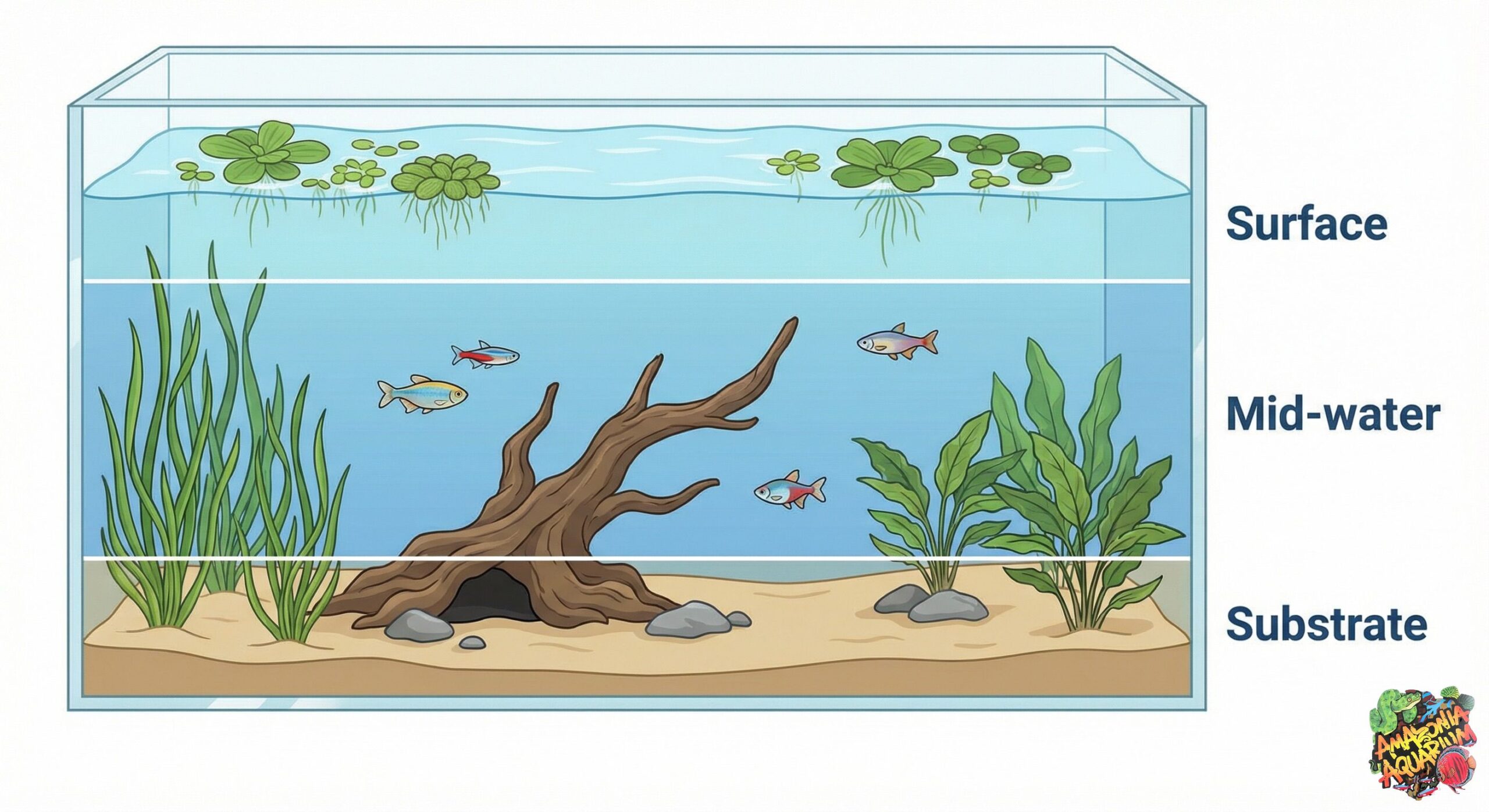
The Dwarf Chain Loach is one of the most community-friendly loaches available. Its small size, peaceful temperament, and diurnal activity make it an ideal companion for a wide range of similarly-tempered tropical species. The key to a successful community is choosing tank mates that do not compete aggressively for bottom territory and are not large enough to view the loach as prey.
Small to medium tetras, rasboras, and peaceful barbs make excellent mid-water companions, while Corydoras and Otocinclus share the bottom without friction. Avoid keeping them with any species known for aggression or that grows large enough to eat them. One important caveat: if you keep ornamental snails — Nerites, Mystery snails, or decorative ramshorns — the Dwarf Chain Loach will systematically hunt them. This is a feature if you have pest snails, but a dealbreaker if your cherished snail collection is non-negotiable.
Always maintain the loaches in a group of six or more. A solitary Dwarf Chain Loach or a pair will become reclusive, lose colour, and may develop stress-related health issues. The social group is the foundation of their wellbeing in captivity.
| Species | Why | |
|---|---|---|
| ✅ | Neon Tetra | Peaceful mid-water schooler that occupies a different zone and shares similar water requirements |
| ✅ | Cardinal Tetra | Excellent colour complement; schools in mid-water while loaches work the bottom |
| ✅ | Rummy Nose Tetra | Tight schooling behaviour adds visual dynamism without competing for bottom space |
| ✅ | Corydoras sterbai | Fellow peaceful bottom-dweller with overlapping temperature and pH preferences; coexists harmoniously |
| ✅ | Otocinclus | Gentle algae grazer that stays small and shares the lower water column without conflict |
| ✅ | Honey Gourami | Calm surface-to-midwater dweller that adds a warm colour accent and never bothers bottom fish |
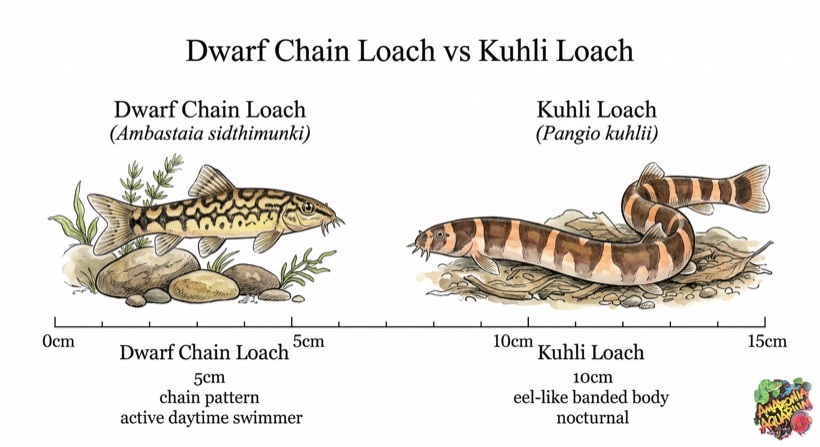
| ✅ | Kuhli Loach | Another small, peaceful loach; the two species often rest together and share hiding spots amiably |
| ✅ | Boesemani Rainbowfish | Active mid-to-upper swimmer that adds brilliant colour; suitable for larger setups of 100 L+ |
| ❌ | Large Cichlids (Oscars, Jack Dempseys) | Aggressive predators that will harass or eat a 5 cm loach |
| ❌ | Tiger Barbs (in small groups) | Fin-nippers that can stress the loaches; only safe in very large schools of 12+ in a spacious tank |
| ❌ | Crayfish / Large Shrimp | Opportunistic predators that ambush resting loaches at night |
| ❌ | Ornamental Snails (Nerite, Mystery) | Dwarf Chain Loaches are dedicated snail hunters and will harass or kill ornamental snails over time |
Quick Reference
| Scientific Name | Ambastaia sidthimunki |
| Adult Size | 4.5–5.5 cm |
| Lifespan | 8–12 years |
| pH | 6.0–7.5 (ideal 6.8) |
| Temperature | 24–28 °C (ideal 26 °C) |
| Hardness | 2–12 dGH |
| Min Tank Size | 60 L (15 gal) for 6 |
| Diet | Omnivore — sinking pellets, frozen, live foods |
| Temperament | Peaceful, social, active daytime |
| Min Group | 6+ |
| Tank Zone | Bottom to lower-midwater |
| Snail Control | Yes — excellent pest snail predator |
| Breeding | Egg scatterer — rare in captivity |
| Care Level | Intermediate |
Acclimation & First-Week Care
Proper acclimation prevents shock and greatly improves survival. Never rush this process.
Step-by-Step Acclimation
- Float the sealed bag in your aquarium for 15–20 minutes to equalise temperature.
- Open the bag and roll down the edges to create a floating collar.
- Drip acclimation: Add approximately ¼ cup of tank water to the bag every 5 minutes for 30–40 minutes.
- Net and release — gently net the fish/shrimp and place them into the aquarium. Discard the bag water; never pour it into your tank.
First-Week Checklist
- Keep lights dimmed for the first 24–48 hours to reduce stress.
- Don’t rearrange décor during the first week — let them establish hiding spots.
- Feed sinking pellets or frozen bloodworms after lights-out.
- Monitor ammonia and nitrite daily — any spike above 0.25 ppm warrants an immediate 25% water change.
- Observe for signs of disease (white spots, clamped fins, lethargy) and quarantine if needed.
Sydney Keeper Tips
Keeping Dwarf Chain Loaches in Sydney comes with specific advantages and challenges. Here’s what local keepers should know.
Sydney Tap Water
Sydney tap water works well for Dwarf Chain Loaches (pH 6.5–7.5 range). They prefer moderate flow and well-oxygenated water — ensure your filter provides good surface agitation.
Seasonal Considerations
These loaches are active during cooler periods and may become lethargic in summer heat. Keep temperatures below 27°C. In Sydney’s summer, monitor tank temperature closely if you don’t have air conditioning.
Local Tips
- Dwarf Chain Loaches are effective snail controllers — useful if you have a pest snail problem from live plants.
- They need company — buy groups of 5+. Lone loaches become shy and stressed.
- Provide smooth sand substrate — they love sifting through it searching for food.
Frequently Asked Questions
Will Dwarf Chain Loaches eat my snails?
How many Dwarf Chain Loaches should I keep?
Are they compatible with shrimp?
Do they need sand substrate?
Why is my Chain Loach hiding all day?
Setting Up Your Aquarium
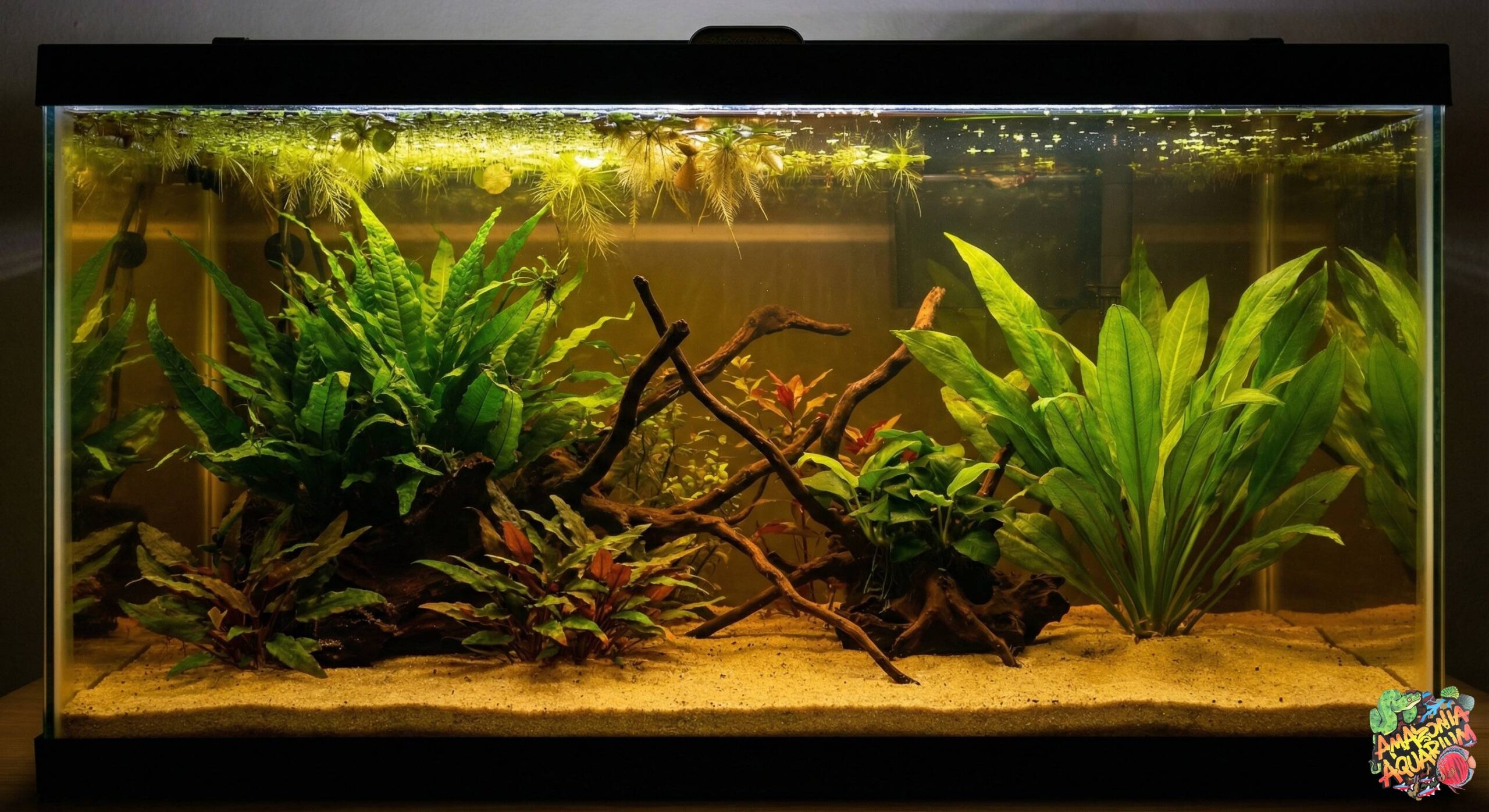
A 60-litre (15-gallon) tank is the practical minimum for a group of six, though 80–100 litres gives them room to display their signature chain-swimming behaviour properly. The substrate should be fine sand or smooth fine gravel — loaches spend considerable time sifting through and resting on the bottom, and coarse or sharp substrates can damage their delicate barbels.
Decoration-wise, think complexity. Dwarf Chain Loaches love to explore, and a tank with plenty of visual breaks — driftwood branches, smooth river stones, terracotta caves, and dense plant thickets — will keep them active and confident. Unlike many loaches they do not dig destructively, so even carpeting plants like Cryptocoryne parva or Marsilea hirsuta are safe choices. Floating plants such as Salvinia or Amazon frogbit provide dappled shade that encourages the fish into the open during the day.
Leave some open sand areas between hardscape clusters. You will often see the group gather in these clearings to socialise before splitting off to investigate the next piece of wood. A tight-fitting lid is essential: loaches are talented jumpers, especially during the first few days in a new tank or if startled at night.
Tank
60–100 L (15–25 gal) minimum for a group of 6
Substrate
Fine sand or smooth fine gravel to protect barbels
Filter
Canister or large sponge filter providing moderate flow and good oxygenation
Heater
Reliable thermostat heater set to 25–26 °C
Lighting
Moderate — dappled shade from floating plants preferred
Lid
Tight-fitting cover — loaches are skilled jumpers
Décor
Driftwood, smooth stones, caves, and dense plant thickets for exploration
Thermometer
Digital or glass thermometer to verify heater accuracy
Ideal Water Conditions
6.0–7.5
ideal 6.8
24–28 °C
ideal 26 °C
2–12 dGH
Soft to moderately hard water preferred
In the wild, Dwarf Chain Loaches inhabit slow to moderate-flow tributaries with sandy or fine-gravel substrates, often among submerged roots and leaf litter. Replicating these conditions in the aquarium is straightforward. Aim for slightly acidic to neutral pH and moderate tropical temperatures. They tolerate a broader range than many Southeast Asian species — pH up to 7.5 and temperatures from 24 to 28 °C — but will colour up best and behave most naturally at the softer, slightly acidic end of that spectrum.
Consistency matters more than hitting a specific number. A stable pH of 7.2 is far better than one that swings between 6.5 and 7.0 due to inconsistent buffering. Weekly water changes of 20–30 % with dechlorinated, temperature-matched water will keep nitrates low and maintain the pristine conditions these fish appreciate. If your tap water is hard and alkaline, mixing in RO or rainwater can bring parameters into the ideal zone without resorting to chemical buffers.
Reviews
Clear filtersThere are no reviews yet.