🪨 Species at a Glance
| Scientific Name | Ancistrus sp. (commercial mixed longfin strain) |
| Family | Loricariidae |
| Order | Siluriformes |
| Origin | Tank-bred; ancestors native to the Amazon and Orinoco basins |
| Shipped Size | ~5 cm (juvenile / grow-out stage) |
| Adult Size | 10–14 cm depending on morph and sex |
| Lifespan | 8–12 years with good care |
| pH Range | 6.5–7.8 (tolerant; ideal 7.0) |
| Temperature | 22–28 °C (72–82 °F) |
| Hardness (dGH) | 4–20 (very flexible) |
| Diet | Omnivore — wood-grazer, veggie-forward with occasional protein |
| Minimum Tank Size | 80 L for grow-out; 100 L+ for adult |
| Care Level | Beginner to Intermediate |
| Temperament | Peaceful, shy by day, active at dusk |
| Breeding | Cave spawner; males guard eggs — once mature at 6–7 cm+ |
| Tank Position | Bottom, driftwood, rockwork |
Name & Origin
The genus name *Ancistrus* comes from the Greek word for ‘hook’ — a nod to the hooked, flexible spines (odontodes) that line the gill covers of adult males and the stiff leading rays of their pectoral fins. In the wild these hooks lock into driftwood crevices, anchoring the fish during courtship and territorial disputes. The familiar common name ‘bristlenose’ describes the other signature feature: the branching, whisker-like tentacles that erupt from the face of mature males and give the group their unmistakable personality. This species is listed as *Ancistrus sp.* rather than a specific species name because decades of tank-breeding, hybridisation and morph selection have blurred the lines between the original wild *Ancistrus cirrhosus*, *A. temminckii*, *A. dolichopterus* and several others. Ichthyologists working the Amazon and Orinoco drainages today describe roughly seventy recognised *Ancistrus* species and suspect at least another twenty await formal classification, but for aquarium purposes the distinctions dissolved a long time ago. The longfin trait — a recessive gene that extends every fin into a trailing sail — was fixed in captivity in the late 1990s by hobbyist breeders in Europe and Southeast Asia, and is now freely bred through most colour lines you will encounter in the trade.
The words ‘assorted’ and ‘mixed’ are the important ones on this listing. They describe how the fish reach us: the breeder runs multiple colour morphs in adjacent ponds and allows some controlled cross-pollination, then grades the juveniles at around 4–5 cm and ships them out in mixed bags. You are not buying a predictable show-grade single morph — you are buying a genetic lottery ticket with a longfin envelope. Some buyers find that exciting; others prefer the certainty of a named strain. If you like the idea of three or four different-looking catfish in one tank, each with the same billowing fins but different colours and patterns, this is the product designed for you. It is also, incidentally, an excellent value proposition: commercial single-morph longfin albinos or super reds at 7–8 cm routinely command two to three times the price of a 5 cm assorted juvenile, yet the assorted fish is often carrying the same genetics — it simply has not yet declared itself visually.
The ‘longfin’ part is structural. In a standard short-fin bristlenose, the pectoral, dorsal and caudal fins are functional paddles: short, stiff, efficient for clinging to rocks in fast water. In a longfin, every single fin ray is extended by two to three times the normal length. The result is a fish that glides rather than darts, with a caudal fin that can trail almost the length of the body again. This is purely cosmetic; the fish is just as capable on driftwood, but it does mean the fins are more delicate and the fish is more sensitive to sharp decor and aggressive tank mates. At 5 cm the longfin trait is already fully expressed — your juvenile will arrive with proportionally the same sail-like fins as its parents, just on a smaller frame. In fact one of the easiest ways to tell a longfin juvenile from a standard one at shipment size is to simply look at the caudal fin: in a longfin, the top and bottom rays of the tail stretch well past the midline, often forming a lyretail shape, whereas a short-fin tail is neatly rounded or slightly forked. Every fish in this listing carries that trait.
Water Parameters
6.5–7.8
ideal 7.0
22–28 °C
ideal 25 °C
4–20 dGH
Wide tolerance — soft to moderately hard both accepted
Decades of tank breeding have turned the commercial longfin bristlenose into one of the most water-tolerant catfish available. While their wild Amazonian ancestors prefer soft, slightly acidic blackwater, the captive-bred strain will thrive anywhere from pH 6.5 to 7.8 and hardness from 4 to 20 dGH. That makes them a good fit for almost any Australian tap water — most metropolitan supplies sit comfortably inside this range. Sydney, Melbourne, Brisbane, Adelaide and Perth tap water all fall within acceptable bristlenose parameters straight out of the dechlorinator bottle, which means you can skip the RO unit and active substrate entirely for this species. Temperature tolerance is equally broad: 22 °C at the cool end (fine for unheated tanks in summer or a cooler room in winter with a small heater) up to 28 °C at the warm end (tolerable but metabolism runs high and lifespan shortens at the top of that range).
For a grow-out project, stability matters more than hitting any particular number. A rock-steady pH of 7.4 will grow better fish than a pH that drifts between 6.8 and 7.6 because of inconsistent water changes. Aim for 20–30 per cent weekly changes during the grow-out phase — juveniles produce surprisingly heavy waste loads for their size, and good water quality accelerates growth, colour development and fin extension. The most common failure mode we see in returned fish is not wrong parameters but slow decline from chronic nitrate build-up in under-maintained tanks. If you can hit nitrate below 20 ppm and temperature within 2 °C of 25, the fish will do the rest. A simple discipline that pays dividends: pick one fixed weekly time for the water change, test nitrate before and after, and keep a small logbook for the first eight weeks of grow-out. That routine alone catches most developing problems before they become visible on the fish.
One subtle note: bristlenose of any age are sensitive to copper and to medications dosed at ‘scaleless fish’ concentrations. If you are medicating for ich or fungus, halve the dose and extend the duration. The long fins of this strain are also more prone to minor bacterial fin rot if water quality slips — healthy fins require clean water more than anything else. If you ever see a fin tip starting to look ragged or translucent-white at the edge, the answer is almost always ‘do a 40 per cent water change and clean the filter’ rather than any medication. Chronic low-grade water quality is the single most common cause of premature fin damage in longfin strains, and it is also the single easiest thing to fix.
Acclimation for new arrivals deserves a moment of thought. Bristlenose are less shock-sensitive than tetras or dwarf cichlids, but juveniles shipped in a bag for eight hours do benefit from a slow temperature and pH equalisation. Float the unopened bag in the tank for 20 minutes, then drip-acclimate over 45–60 minutes, then net the fish (do not pour the shipping water into the tank) into the quarantine or grow-out tank. A single dose of an all-purpose ich preventative at half strength for the first week is optional insurance; most shipments arrive perfectly healthy and this step can be skipped if you prefer a medication-free tank.
Colour Varieties
💩 Wild Brown (Common Longfin)
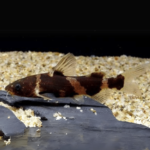
The baseline morph: olive-brown body dusted with pale spots, flowing brown fins sometimes edged in cream. Hardiest of the bunch and often the most prolific once adult.
🎨 Calico Longfin
A patchwork morph splashed with orange, black, cream and brown — no two calicos look alike. Pattern shifts and settles between 5 cm and 10 cm.
🤍 Albino Longfin
Pink-white body with red eyes and cream-yellow fins. At 5 cm the yellow saturation is still building; by 8 cm the fins should glow buttery gold.
🔴 Super Red Longfin
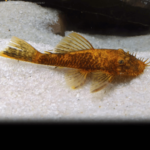
A solid orange-red body with matching long fins — the most vivid of the commercial morphs. Colour deepens with a carotenoid-rich diet and dark substrate.
🍫 Chocolate Longfin
A warm milk-chocolate base with faint black peppering and darker fin tips. Looks muted as a juvenile, rich and creamy by adulthood.
🐉 Green Dragon / Lemon Longfin
Uncommon but possible — a subtle olive-yellow morph with cream spots and pale fins. Often mistaken for a washed-out brown at 5 cm; look for the greenish shimmer in good light.
✨ Starlight / Pepper Longfin
A dark grey to black base covered in tiny white star-spots. Rarest of the possible inclusions and usually held back by breeders, but occasional fish slip into mixed lots.
Here is the single most important sentence in this guide: **what you see at 5 cm is not what you get at 10 cm.** Juvenile bristlenose are almost always duller, greyer and more uniform than the adult they will become. Pigment cells continue to mature through the grow-out phase, carotenoid pools deepen with a good diet, and patterns that look like random smudges at 5 cm resolve into sharp calicos, saturated reds and creamy albinos by 8–10 cm. A brown-looking juvenile may colour up into a chocolate; a pale pink juvenile will usually settle into a true albino with bright yellow fin tips; a speckled grey fish may turn into a head-turning calico. Give the tank 8–16 weeks of clean water, driftwood, veggies and a carotenoid-enriched staple before you judge what you actually received.
The biology behind that transformation is worth understanding because it explains why diet matters so much during grow-out. Bristlenose colour is produced by three overlapping pigment systems. Melanophores deposit the brown-to-black pigment that produces patterning in wild-type and calico fish; xanthophores and erythrophores deposit the yellow-to-red carotenoid pigments responsible for the super red and albino yellow colours; and iridophores add subtle metallic shimmer in certain lines. Melanin is produced internally and depends on the fish simply being healthy, but carotenoid pigments cannot be synthesised — they must be consumed and stored. A juvenile fed only bland staple pellets for sixteen weeks will reach 8 cm visibly paler than a sibling fed spirulina, blanched carrot, red capsicum and a carotenoid-enriched algae wafer. This is especially dramatic for the super red and albino lines, where yellow-to-red saturation is almost entirely diet-dependent. The good news is that carotenoid uptake is quick: give a pale juvenile a week of carrot-heavy feeding and you will see visible deepening of the fin tips within days.
Each Amazonia bag will contain 2–3 morphs drawn randomly from the breeder’s current stock. We cannot guarantee specific colours — the mixed nature is the product — but we can guarantee that every fish in the bag carries the longfin gene and has been graded at 5 cm and passed a health check. The breeder typically runs six or seven morphs simultaneously, and the proportions shift slightly each month based on which ponds are hitting grow-out size. Historically, the most common draws are wild brown (roughly a third of all shipments), calico (around a quarter), albino (around a quarter) and super red (around 15 per cent); chocolate, green dragon and starlight appear in smaller numbers. Buyers who want a specific morph should choose one of our single-colour listings (such as the Albino Longfin Bristlenose 7–8 cm) instead. Buyers who want surprise, variety and a lower price per fish should order a group of four to six and enjoy watching the tank transform over the coming months.
Tank Setup
For the grow-out phase (5 cm to 8 cm, roughly 2–4 months), an 80-litre tank is enough for a group of four to six juveniles. That gives each fish room to establish a small territory around a piece of driftwood without feeling crowded. Once the fish reach adult size of 10–14 cm, you will want to move them to a 100-litre or larger tank — three adult longfin bristlenose in a 120-litre is a comfortable long-term arrangement. If you plan ahead and set up the adult tank from the start, the fish will simply grow into it without the stress of a later move. For keepers who want to breed the group long-term, a 150-litre tank with two or three caves and multiple driftwood territories will comfortably house a trio plus a handful of adult offspring while the next generation grows up.
Substrate should be smooth: fine sand or rounded pea gravel. Sharp or jagged substrate will fray the trailing edges of the long fins, and because bristlenose spend 90 per cent of their time with their bellies pressed against the ground, rough substrate also causes barbel erosion over months. Black or dark brown sand is particularly flattering for the red, calico and chocolate morphs — the contrast makes the fish appear noticeably more vivid and is the same optical trick used in show tanks at breeder exhibitions. Avoid bright white or cream substrates, which tend to make bristlenose produce paler melanin patterning over time as they adjust to the high-reflection background.
Driftwood is not optional — it is a dietary requirement. Bristlenose rasp cellulose and lignin from submerged wood as part of their normal gut function, and a tank without driftwood will produce fish with poor growth and digestive problems. Malaysian driftwood, spiderwood, manzanita and mopani all work well; provide at least two separate pieces so subordinate fish have somewhere to go during the brief dusk-hour sparring sessions. Fresh driftwood will leach tannins into the water and tint it amber for the first few weeks — this is entirely harmless and actually beneficial for fish health, but if you prefer crystal-clear water you can pre-soak new driftwood for a week in a separate bucket before installing it.
Caves are the third essential element. Even juveniles love a tight-fitting hiding spot, and mature males absolutely require one for breeding. Purpose-made ceramic bristlenose caves are cheap and last a lifetime, but a horizontal PVC pipe cut to 10 cm long works equally well. Terracotta flower pots laid on their sides with a chipped entrance also serve the purpose if you prefer a more natural look. The rule of thumb is one cave per male plus one extra, with a minimum of two caves in any tank regardless of how many fish you have. Caves should be only slightly larger than the adult fish — roughly 8–10 cm long by 3 cm internal diameter for a 10 cm adult — because tight caves encourage the male to spawn and give him the confidence of a defensible doorway.
Plant the tank as densely or sparsely as you like — bristlenose are plant-safe and will not uproot or nibble live plants, with the occasional exception of very soft new Echinodorus leaves. Java fern, Anubias, Bucephalandra and Bolbitis tied to driftwood are all excellent choices because they tolerate the moderate tannin levels and do not require a root system in the substrate. Floating plants (Amazon frogbit, red root floater, salvinia) diffuse overhead lighting and encourage the fish to come out during the day. Lower light levels shaded by floating plants or simply a dimmer LED schedule encourage daytime activity; brightly lit tanks tend to produce fish that hide until lights-out, which is fine for the fish but less fun for the keeper.
Tank (Grow-Out)
80 L minimum for a group of 4–6 juveniles
Tank (Adult)
100 L+ long-term; 120 L comfortable for a trio
Filter
Canister or large HOB rated 1.5–2× tank volume per hour; bristlenose are messy
Heater
100–150 W adjustable set to 25 °C; reliable brand with external thermostat preferred
Substrate
Fine sand or rounded pea gravel — never sharp gravel with longfin strains
Driftwood
Two or more pieces of Malaysian, spiderwood, manzanita or mopani — dietary essential
Caves
At least one ceramic bristlenose cave or 10 cm section of PVC pipe per fish
Lighting
Low to moderate; floating plants or shaded areas recommended for daytime visibility
Thermometer
Digital stick-on or submersible — cross-check heater weekly
Veggie Clip
Stainless-steel clip for securing blanched zucchini and cucumber slices
Male vs. Female
Five centimetres is a pre-sexing age. Both males and females look identical at this stage: same slim torpedo body, same large head, same long flowing fins, same faint peppered patterning regardless of morph. The male-defining head bristles — those branching facial tentacles that give the species its common name — do not begin to bud until the fish reaches roughly 6 cm total length, and they are not clearly distinguishable from the small jaw-line bristles some females grow until about 7 cm. This is not a flaw in the listing; it is simply how bristlenose development works. If you must have a specific sex ratio for breeding, the reliable approach is to order a group of 5–6 juveniles and wait. By the time the group reaches 7 cm, the males will be unmistakable (multiple stout bristles fanning from the snout, not just the jaw) and you can re-home any surplus.
It helps to know what you are actually looking for when the first bristles appear. Female bristlenose often do grow a sparse ring of short, simple bristles along the leading edge of the upper lip and along the jaw line — these are barely visible and never branch. Male bristles, by contrast, are branching and forest-like. They sprout from the top of the snout between the eyes and extend forward, and each individual bristle typically forks once or twice into a miniature tree. A mature male of the commercial longfin strain at 10 cm will have anywhere from a dozen to thirty of these branching bristles fanning from the tip of the snout. The transition from pre-sexing to clearly sexable happens fast: there is often only a two-week window between ‘I cannot tell’ and ‘obviously a male’ as the bristles fill in. Photograph your juveniles weekly from the front and compare images over time — it is the easiest way to catch the moment of transformation.
For hobbyists who simply want attractive community fish, sexing is largely irrelevant. Both sexes eat the same foods, occupy the same niche, behave the same way and show identical long fins. A mixed group will establish a loose pecking order around the best driftwood without aggression, and if a male and female happen to mature together you may be rewarded with a spontaneous cave spawn — more on that in the breeding section. One gentle reality to be aware of: all-male groups are fine in an adequately sized tank with multiple caves, but two males competing for a single cave in a 60-litre tank will stress each other. If you end up sex-skewed after grow-out and your tank is on the small side, re-homing surplus males or adding a second cave far from the first will keep the peace.
| Feature | Male | Female |
|---|---|---|
| Age at Shipment | Pre-sexing juvenile | Pre-sexing juvenile |
| Head Bristles | Not yet visible — begin emerging at 6–7 cm | None at any age (a few faint jaw bristles at most) |
| Body Shape | No reliable difference at 5 cm | No reliable difference at 5 cm |
| Fin Length (longfin gene) | Identical to females — both show trailing fins | Identical to males — both show trailing fins |
| Head Shape (Adult) | Broader, flatter, more angular by 8 cm | Narrower, rounder, more tapered by 8 cm |
| Pectoral Odontodes (Adult) | Visible hooked spines on leading rays by 7–8 cm | Smooth leading rays |
| Belly (Adult, well-fed) | Slim, rarely rounded | Noticeably rounder when carrying eggs |
| Earliest Reliable Sexing | ~7 cm (first bristle buds visible) | ~7 cm (by comparison — still no bristles) |
Diet & Feeding
Bristlenose are often miscategorised as ‘algae eaters’ — a term that undersells them considerably. In nature and in the aquarium they are broad-spectrum omnivores with a heavy bias toward plant matter, biofilm and decaying wood. A grow-out diet for a 5 cm juvenile should mirror that bias while pushing slightly more protein than an adult would need, because the fish is still packing on muscle and finray tissue at a rate it will never match again. The grow-out window between 5 cm and 8 cm is the single most diet-sensitive period in a bristlenose’s life; a well-fed juvenile reaches 8 cm in 10–12 weeks, while an underfed one may take 20 weeks or more and permanently stay smaller than its potential.
The staple should be a high-quality sinking veggie wafer or algae pellet — look for brands where spirulina, kelp or pea protein lead the ingredient list, not fish meal. Feed a single wafer per evening for a group of four juveniles, dropped in just before lights-out so the fish can eat without being out-competed by faster tank mates. Many mid-water tetras and rasboras will mob a wafer if it lands during the day, leaving the bristlenose with scraps; dropping it five minutes after lights-out bypasses that problem entirely. Supplement three to four times a week with blanched fresh vegetables: a coin-sized slice of zucchini (softened 60 seconds in boiling water, then cooled), cucumber rounds, raw or blanched carrot strips, de-seeded capsicum, and the occasional softened pea. Rotate vegetables to prevent dietary monotony and leave the slice in overnight — any uneaten portion should be removed the following morning to protect water quality.
Carrot deserves a special mention for the mixed longfin strain. The beta-carotene in carrot is the precursor for the red-orange pigments deposited in the fins and body of super red, calico and albino fish. Two thin carrot coins a week, blanched for 90 seconds to soften, will visibly deepen the colour of any carotenoid-dependent morph during grow-out. Capsicum and red chilli (yes, fish tolerate the capsaicin — their taste receptors do not respond to it) work similarly. Green vegetables like zucchini and cucumber contribute bulk fibre and vitamin content but do not directly feed the red pigment cells, so a balanced rotation includes both categories.
Protein rounds out the diet but should be a minor component: once or twice a week, a small frozen bloodworm cube or a few sinking shrimp granules. Juveniles push protein harder than adults and this modest protein addition noticeably accelerates the grow-out timeline. Do not over-feed protein, however — bristlenose gut flora is tuned for plant matter and a high-protein diet can cause bloating and long-term liver issues. A bloated bristlenose displays a visibly distended belly that does not flatten overnight; if you see this, cut protein for a week and add a blanched pea (deshelled) to help clear the gut.
The driftwood is part of the diet plan. Bristlenose actively rasp the softening surface layer of submerged wood, swallowing microscopic particles of cellulose that pass through the gut as the brown ‘sawdust’ poop characteristic of the group. This is not incidental — it is a required dietary fibre that no pellet fully replaces. A tank without driftwood produces thinner, less-healthy fish regardless of how much you feed them. You will know the fish are actively using the driftwood when you see the characteristic rasping tracks — fine parallel striations across the wood surface where the fish have scraped off the softened outer layer. A well-used piece of driftwood shows obvious grazing patterns within 2–3 weeks of being added to the tank.
Community Tank Mates
Bristlenose are the quintessential community catfish — peaceful, productive, and comfortable in almost any mid-sized planted setup. The only real compatibility rules are to avoid species large enough to eat them, aggressive enough to bully them, and fin-nippy enough to damage those long trailing fins. Inside those constraints you have almost limitless flexibility: any small to medium peaceful tetra, any rasbora, any small gourami, most corydoras, most small loaches, and the milder dwarf cichlids all coexist with bristlenose without issue.
The longfin strain is slightly more sensitive to fin-nippers than short-fin bristlenose simply because there is more fin to nip, so if you are currently keeping serpae tetras, tiger barbs or any aggressive barb species, consider rehoming them before adding longfins. Watch carefully in the first week after introduction — if you see repeated quick darts at the bristlenose tail from any tank mate, or if the long fin tips begin to look ragged, intervene before the damage becomes permanent. Fin regeneration in this species is slow and damaged fins often grow back slightly shorter than the original.
A well-stocked community tank for the assorted longfin group at 5 cm might look like this: one 80–100 L planted tank with driftwood and at least two caves; four to six assorted longfin juveniles on the bottom; a school of ten neon or cardinal tetras in the mid-water; a trio of sterbai corydoras working the substrate; and either a single honey gourami or a small group of ember tetras near the surface. That mix occupies three tank zones, keeps each species stress-free, and showcases the longfin bristlenose as the real centrepiece without crowding them. As the fish grow and the tank matures, the longfins will become the most visible and personable inhabitants — they learn feeding times quickly, come out at dusk for the evening veggie slice, and develop individual personalities around their favourite driftwood branches.
This species drops into an established community with barely a ripple — within 24 hours they will have claimed a driftwood branch each and settled into the dusk-active, dawn-resting rhythm that has made bristlenose a hobby staple for forty years. The first week is always the quietest; by week two they are out and grazing openly; by week four they recognise the keeper and will often swim to the front glass at feeding time. The longfin strain in particular seems to be more out-going than the short-fin ancestor, perhaps because the flowing fins make them look less like prey to tank mates and more like decor, reducing whatever low-level vigilance the fish would otherwise maintain. Whatever the reason, this is one of the most watchable catfish in the hobby, and an assorted group of mixed morphs with a shared longfin trait is about as much visual drama as a community tank can pack into its bottom third.
| Species | Why | |
|---|---|---|
| ✅ | Neon Tetra | Mid-water schooler that occupies the opposite tank zone; shared water tolerance range makes them an effortless pairing |
| ✅ | Cardinal Tetra | Peaceful schooling tetra, prefers the same slightly soft to neutral water and never interferes with bottom dwellers |
| ✅ | Harlequin Rasbora | Warm-water schooler that thrives in planted driftwood tanks alongside bristlenose |
| ✅ | Corydoras (Bronze / Peppered / Sterbai) | Shares the bottom zone without competition — corys forage in sand, bristlenose graze driftwood and glass |
| ✅ | Otocinclus | Tiny algae eater that works the leaves and glass at a different scale; coexist perfectly |
| ✅ | Honey Gourami | Gentle surface-dweller that rounds out a three-layer community without any aggression concerns |
| ✅ | Pearl Gourami | Calm, slow-moving centerpiece fish that will never bother a bristlenose even during courtship |
| ✅ | Rummy Nose Tetra | Tight-schooling mid-water tetra; leaves bristlenose alone and looks spectacular against planted driftwood |
| ✅ | Kuhli Loach | Nocturnal eel-like bottom dweller that shares hiding spots without conflict; both come alive at dusk |
| ✅ | Apistogramma (dwarf cichlid) | Territorial only near their own cave; bristlenose stay on driftwood so the two species rarely clash |
| ❌ | Large Cichlids (Oscars, Jack Dempseys, Flowerhorns) | Aggressive enough to harass or kill bristlenose, and will shred the delicate long fins even when not actively predatory |
| ❌ | Silver Dollar / Large Barbs | Notorious fin-nippers; the long trailing fins of this strain are an irresistible target and will be reduced to stubs within days |
| ❌ | Common Pleco (Pterygoplichthys) | Grows to 45+ cm and will out-compete a juvenile bristlenose for driftwood territory; the common pleco is too large and too territorial for the same tank |
| ❌ | Red-Tail / Gold-Tail Shark (Epalzeorhynchos) | Aggressively territorial toward anything occupying the lower third of the tank; will constantly chase bristlenose and disrupt feeding |
| ❌ | Chinese Algae Eater (Gyrinocheilus) | Becomes aggressive as it matures and is known to suck the slime coat from flat-bodied catfish like bristlenose — avoid |
Breeding
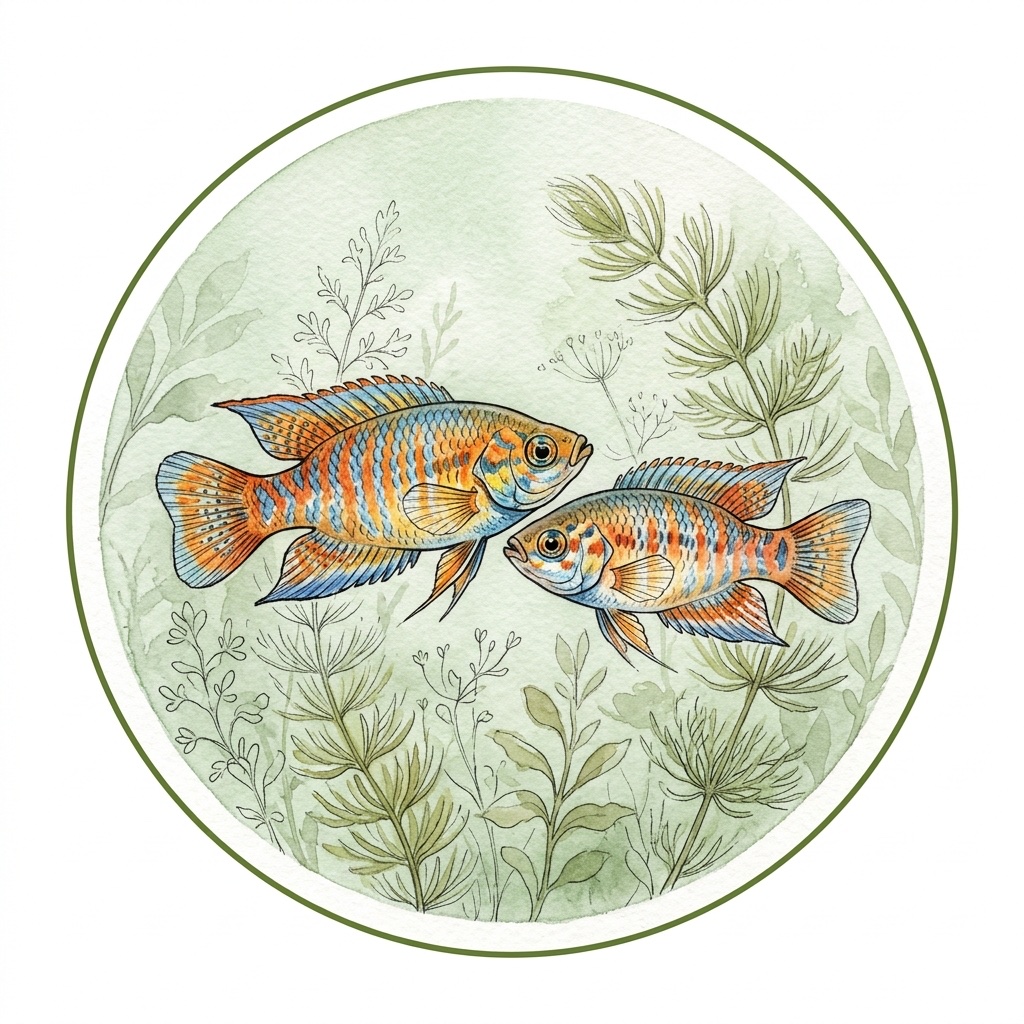
Month 0 (shipment)
Juvenile Arrival
5 cm, pre-sexing, all look alike
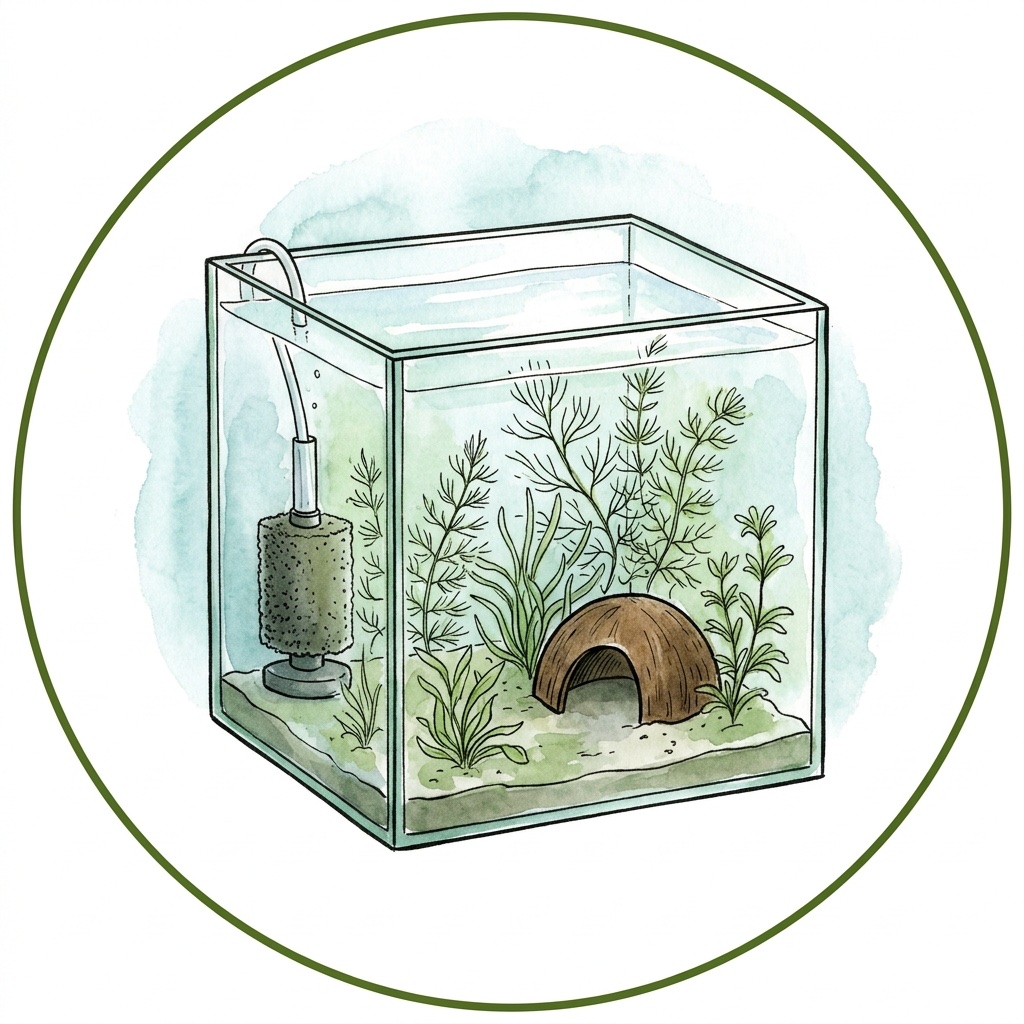
Month 2–3
Sexing Becomes Possible
Males begin sprouting head bristles at 6–7 cm
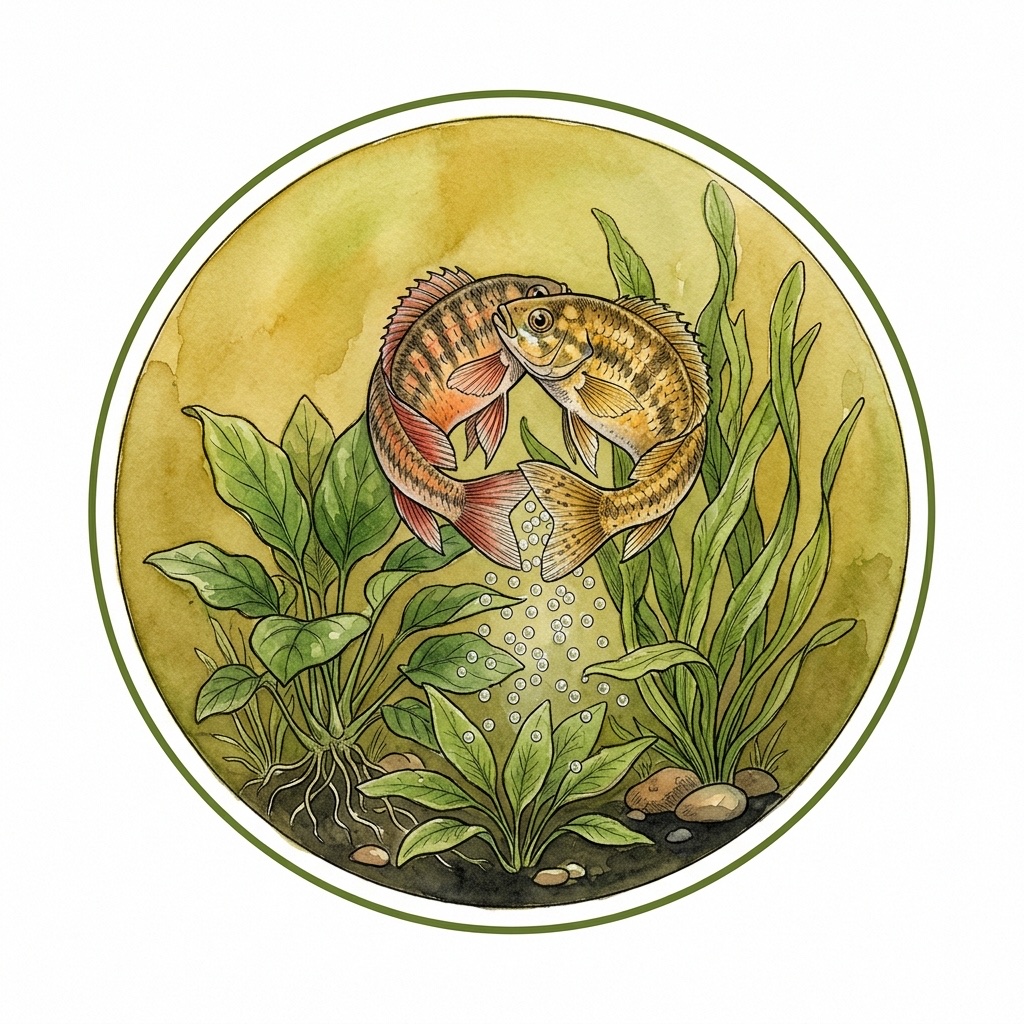
Month 4–6
Sexual Maturity & Courtship
Males claim caves, flash fins, call females in
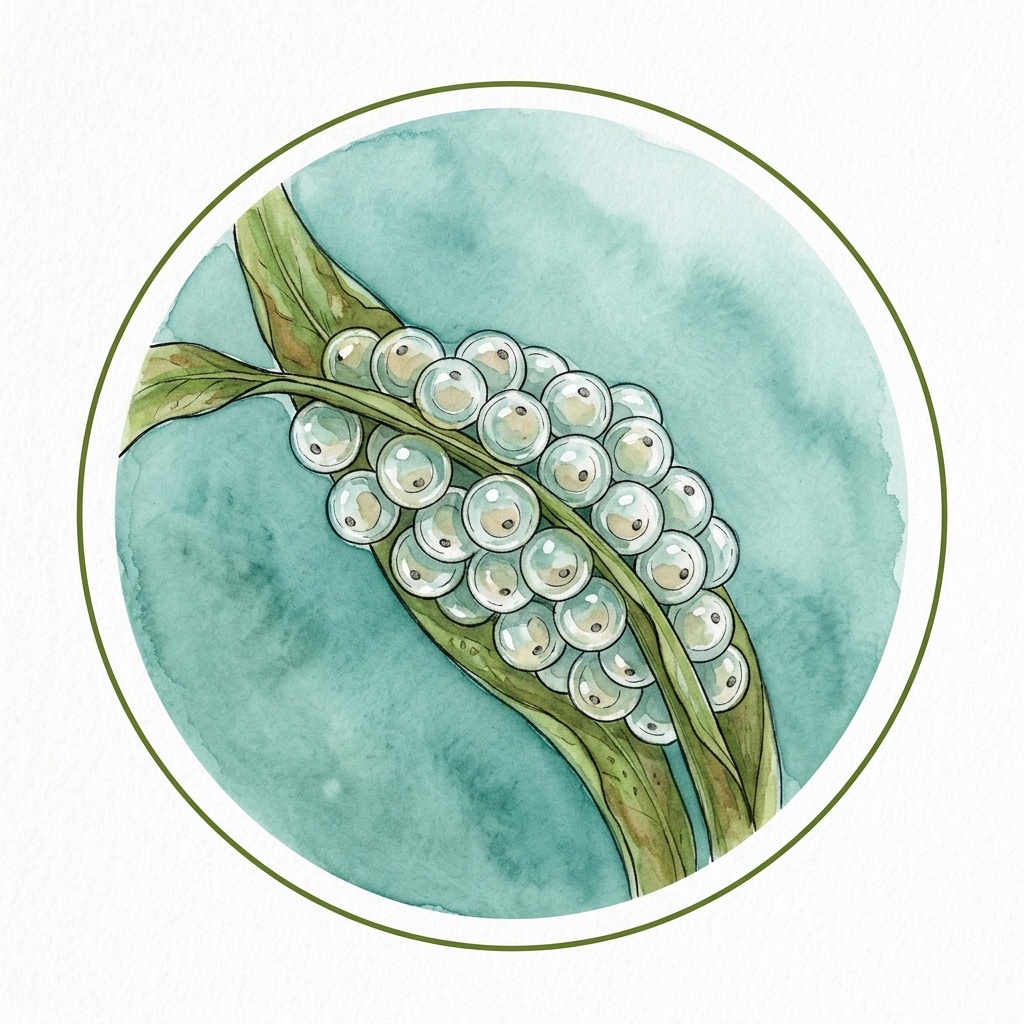
Month 4–6, Day 0
Spawn & Guard
Male fertilises and guards 30–200 eggs
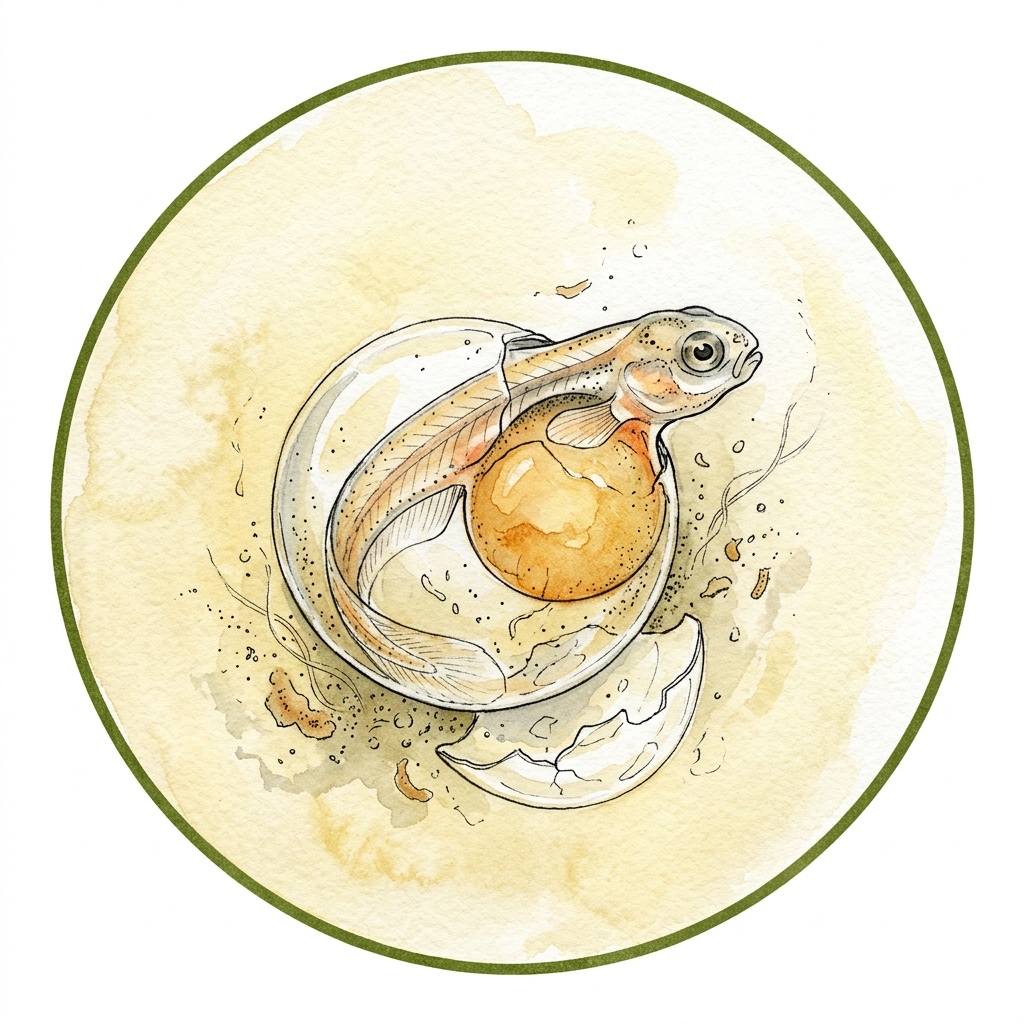
Month 4–6, Day 5–7
Hatching & Yolk Absorption
Fry hatch, cling to cave, absorb yolk sac
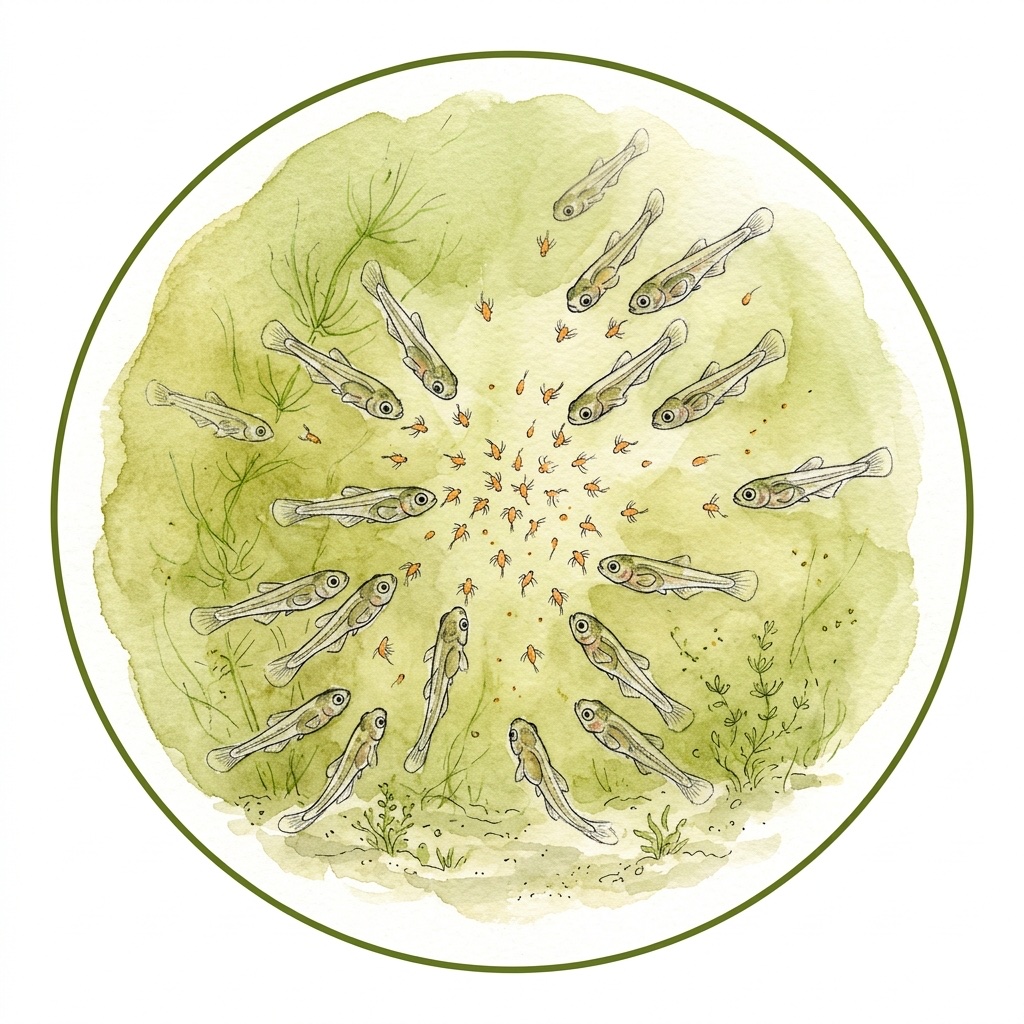
Month 4–6, Day 10+
Free-Swimming Fry
Fry leave cave, accept crushed wafers and blanched veg
Juvenile Arrival
Your fish arrive at 5 cm, not yet showing any sex characteristics. The clever play at this stage is to order six rather than four. Statistically, a group of six virtually guarantees at least two males and two females, giving you a natural breeding pool three to six months down the line without any deliberate effort. At six fish your 80-litre grow-out tank is still comfortable until they reach 7 cm.
Sexing Becomes Possible
Around the two- to three-month mark your juveniles will pass the 6 cm mark and the males will begin to show their first true bristles — short, branching tentacles emerging from the tip of the snout rather than along the jaw line. By 7 cm the difference between sexes is unambiguous. At this point you can either keep the whole group together (males tolerate each other well once territories are established) or re-home any surplus males to maintain a balanced 1 male : 2 female ratio for breeding.
Sexual Maturity & Courtship
Between 8 and 10 cm the dominant male will stake a claim to the best cave in the tank, cleaning it obsessively by fanning debris out with his pectoral fins and rasping the interior with his mouth. When he feels ready, he sits in the cave entrance and flashes his long fins in slow, rippling waves — the courtship dance designed to lure a gravid female inside. If she is ready, she enters the cave and deposits a cluster of bright orange, pea-sized eggs on the ceiling.
Spawn & Guard
Immediately after the female leaves, the male fertilises the egg cluster and then blocks the cave entrance with his body, fanning oxygenated water over the eggs with his pectoral fins in long, steady sweeps. He will not leave the cave for 4–6 days, not even to eat. This is instinctive parental care and it is remarkable to observe: the long-fin strain performs exactly the same routine as short-fin bristlenose, just with more dramatic fin movement.
Hatching & Yolk Absorption
Eggs hatch into pale yellow wrigglers with huge yolk sacs dangling beneath them. They cling to the cave ceiling and the father continues to guard for another 3–5 days while the yolk is absorbed. During this time the fry gradually take on their parents’ pigment — albino fry stay pale pink throughout, calico fry begin developing faint patches, and brown fry darken to a tiny miniature of the adult.
Free-Swimming Fry
Once the yolk is absorbed the fry venture out of the cave and begin grazing. They accept finely crushed algae wafer, blanched zucchini and a light dusting of spirulina powder almost immediately — bristlenose fry are famously easy to raise compared to most fish. Remove them to a separate grow-out tank if you want to raise the whole batch, or leave them in a well-planted adult tank and a portion will survive on their own. At this point you have replicated the exact grow-out cycle that produced your original shipment, and in another 3–4 months you will have a new batch of 5 cm juveniles ready to sell, gift or watch develop.
Quick Reference
| Scientific Name | Ancistrus sp. (mixed longfin strain) |
| Shipped Size | ~5 cm (juvenile / grow-out) |
| Adult Size | 10–14 cm |
| Lifespan | 8–12 years |
| pH | 6.5–7.8 (ideal 7.0) |
| Temperature | 22–28 °C (ideal 25 °C) |
| Hardness | 4–20 dGH |
| Min Tank (Grow-Out) | 80 L for a group of 4–6 juveniles |
| Min Tank (Adult) | 100 L+ |
| Group Size | 4–6 juveniles recommended for grow-out |
| Diet | Veggie wafers, blanched zucchini/cucumber/carrot, occasional frozen protein, driftwood |
| Care Level | Beginner to Intermediate |
| Temperament | Peaceful; dusk-active |
| Tank Position | Bottom — driftwood, caves, rockwork |
| Breeding | Cave spawner; male guards eggs — mature at 6–7 cm+ |
| Morphs Possible | Wild Brown / Calico / Albino / Super Red / Chocolate / Green Dragon / Starlight (random 2–3 per bag) |
| Price (AUD) | $32.50 |
Related Products

Reviews
Clear filtersThere are no reviews yet.