🪨 Species at a Glance
| Scientific Name | Hypancistrus sp. L333 |
| Common Names | L333 King Tiger Pleco, King Tiger Pleco, L333 Pleco |
| Family | Loricariidae |
| Origin | Rio Xingu, Pará State, Brazil |
| L-Number | L333 |
| Adult Size | 12–15 cm (4.7–6 in) |
| Lifespan | 10–15 years |
| Water Type | Tropical Freshwater |
| Temperature | 26–30 °C (79–86 °F) |
| pH Range | 5.5–7.5 |
| Care Level | Intermediate |
| Community Safe | Caution — territorial with conspecifics |
| Tank Position | Bottom — cave-dwelling |
| Min Tank Size | Medium — 80–100 L (20–25 gal) |
Meet the Species
The L-number system — L333 in this case — was devised by the German aquarium magazine DATZ in the late 1980s as a practical way to catalogue the explosion of undescribed pleco species arriving from South America. Each new form received a sequential L-number that served as a placeholder until formal taxonomic description. Decades later, Hypancistrus sp. L333 still awaits its official species name, but the L-number has become so entrenched in the hobby that it will likely persist as the primary identifier regardless.
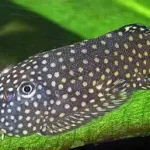
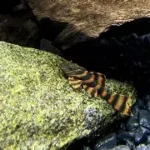
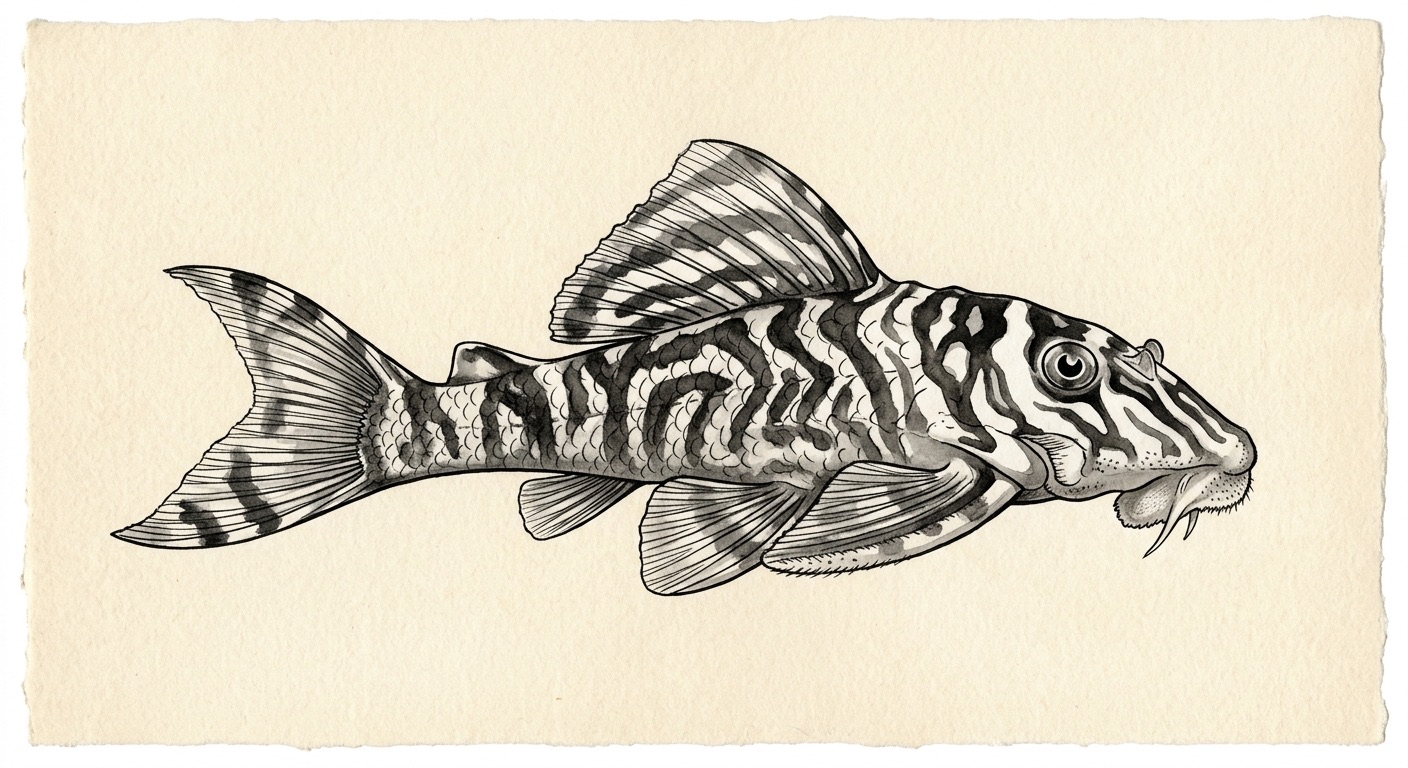
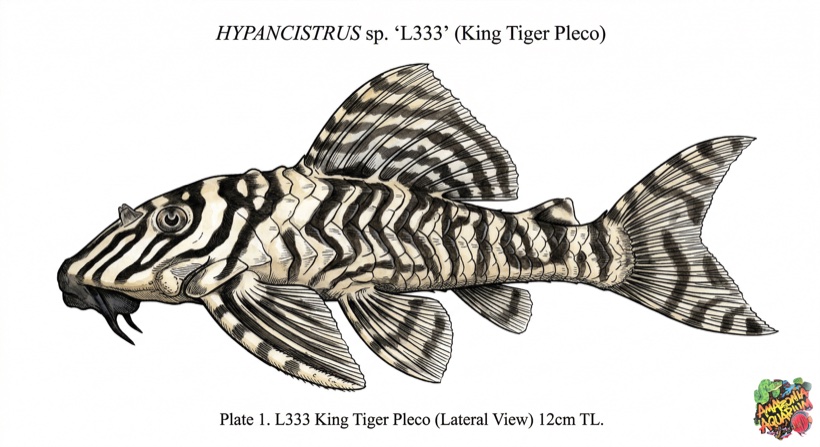
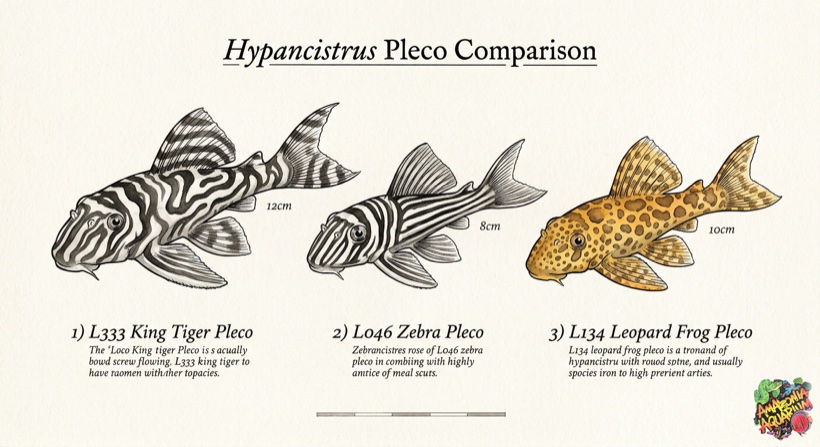
The ‘King Tiger’ part of the common name references the bold black-and-white striped pattern that recalls a tiger’s markings rendered in monochrome. The ‘King’ prefix distinguishes this particular Hypancistrus lineage from other striped forms in the genus, notably the closely related L066 (King Tiger Pleco with a different pattern density) and the legendary L046 Zebra Pleco. Among Xingu Hypancistrus, L333 occupies a sweet spot: more readily available and affordable than L046, yet every bit as spectacular in pattern clarity.
In the wild, L333 is found in the Rio Xingu’s main channel and major tributaries, clinging to basalt boulders in fast-flowing, highly oxygenated water heated by the equatorial sun to temperatures that would stress many common aquarium fish. Understanding this habitat is the key to keeping L333 healthy in captivity.
Visual Varieties
🏁 Standard L333
Jet-black body covered in crisp white to cream stripes of varying width — the classic King Tiger pattern with moderate line density.
⬜ High-White Line
Selectively bred or naturally occurring individuals with wider, brighter white bands that dominate more of the body surface.
🌀 Fine-Line / Maze
Specimens with thinner, more numerous white lines that create an intricate maze or labyrinth pattern across the body and fins.
🟡 Yellowish Variant
Some individuals display warm cream-to-pale-yellow lines rather than pure white, often intensifying with age and diet.
Pattern variation within L333 is considerable, and part of the fun of keeping this species is that no two individuals look identical. Line width, density, and straightness vary between fish from the same clutch. Breeders have begun selecting for specific traits — wider white bands, more symmetrical line spacing, or a higher overall white-to-black ratio — but the species has not been line-bred to the same degree as, say, bristlenose plecos. Environmental factors also play a role: fish kept on dark substrates under subdued lighting tend to display the sharpest contrast, while bright lights over pale sand can cause the black areas to fade slightly. A balanced setup with moderate lighting, dark substrate, and plenty of cave retreats will showcase the pattern at its most dramatic.
Spot the Difference: Male & Female
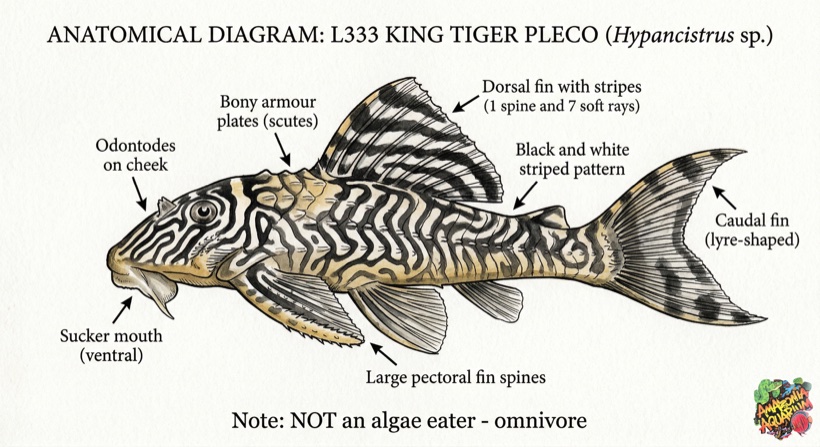
Sexing L333 becomes reliable once the fish reach roughly 7–8 cm, usually at around 18 months of age. The most dependable external indicator is the development of odontodes — tiny hook-like bristles — on the male’s pectoral fin leading ray and along the cheek plates. In breeding condition these become quite pronounced and are easily visible without magnification. Viewed from above, males have a distinctly more angular, rectangular body outline, while females tend toward a softer, wider profile especially when laden with eggs.
Head shape is another strong dimorphism: males develop a notably broader, flatter head that houses the powerful jaw muscles used to lock themselves into caves during territorial disputes and brood-guarding. If you plan to breed L333, acquiring a group of five to six juveniles and growing them on together is the safest route to obtaining at least one pair. Attempting to pair up adult males can trigger serious territorial aggression if the tank lacks sufficient cave real estate.
| Feature | Male | Female |
|---|---|---|
| Head Shape | Broader, flatter head with wider interorbital width | Narrower, more streamlined head |
| Odontodes (Bristles) | Well-developed odontodes on pectoral fin spines and cheeks, especially in breeding condition | Fewer, shorter odontodes |
| Body Shape (Top View) | More rectangular, straight-sided | Wider at the midsection when viewed from above, especially when gravid |
| Pectoral Fin Spine | Thicker and more heavily toothed | Thinner, smoother |
| Size | Typically 12–15 cm | Slightly smaller, 10–13 cm |
| Behaviour | Defends caves aggressively; sole parental care provider | Moves between caves; less territorial outside spawning |
Water Quality Requirements
5.5–7.5
ideal 6.5
26–30 °C
ideal 28 °C
1–10 dGH
Soft to slightly hard water preferred
The Rio Xingu is one of the warmest major river systems in the Amazon basin, with water temperatures routinely exceeding 28 °C in the main channel. L333 has evolved for this environment, and temperatures below 26 °C can suppress appetite, slow growth, and increase disease susceptibility. Aim for 27–29 °C as your baseline — warmer than many community tanks, which is worth noting when choosing tank mates.
Equally important is water movement. In the wild these fish cling to rocks in turbulent, highly oxygenated rapids. A standard aquarium filter alone rarely provides enough flow. Adding a small powerhead or circulation pump to create directional current across the rockwork will encourage natural behaviour: the fish will orient themselves into the flow, anchor with their sucker mouths, and display the confident posture of a settled Hypancistrus.
Water chemistry should lean soft and slightly acidic, though L333 is more adaptable than its Xingu origins might suggest. The critical non-negotiable is dissolved oxygen: these fish cannot tolerate stagnant, oxygen-poor water. In warm water (which holds less dissolved oxygen), strong surface agitation is vital. If you run CO2 injection for plants, monitor oxygen levels carefully — the combination of high temperature, CO2, and low flow is a recipe for disaster with Xingu loricariids.
Tank Requirements & Layout
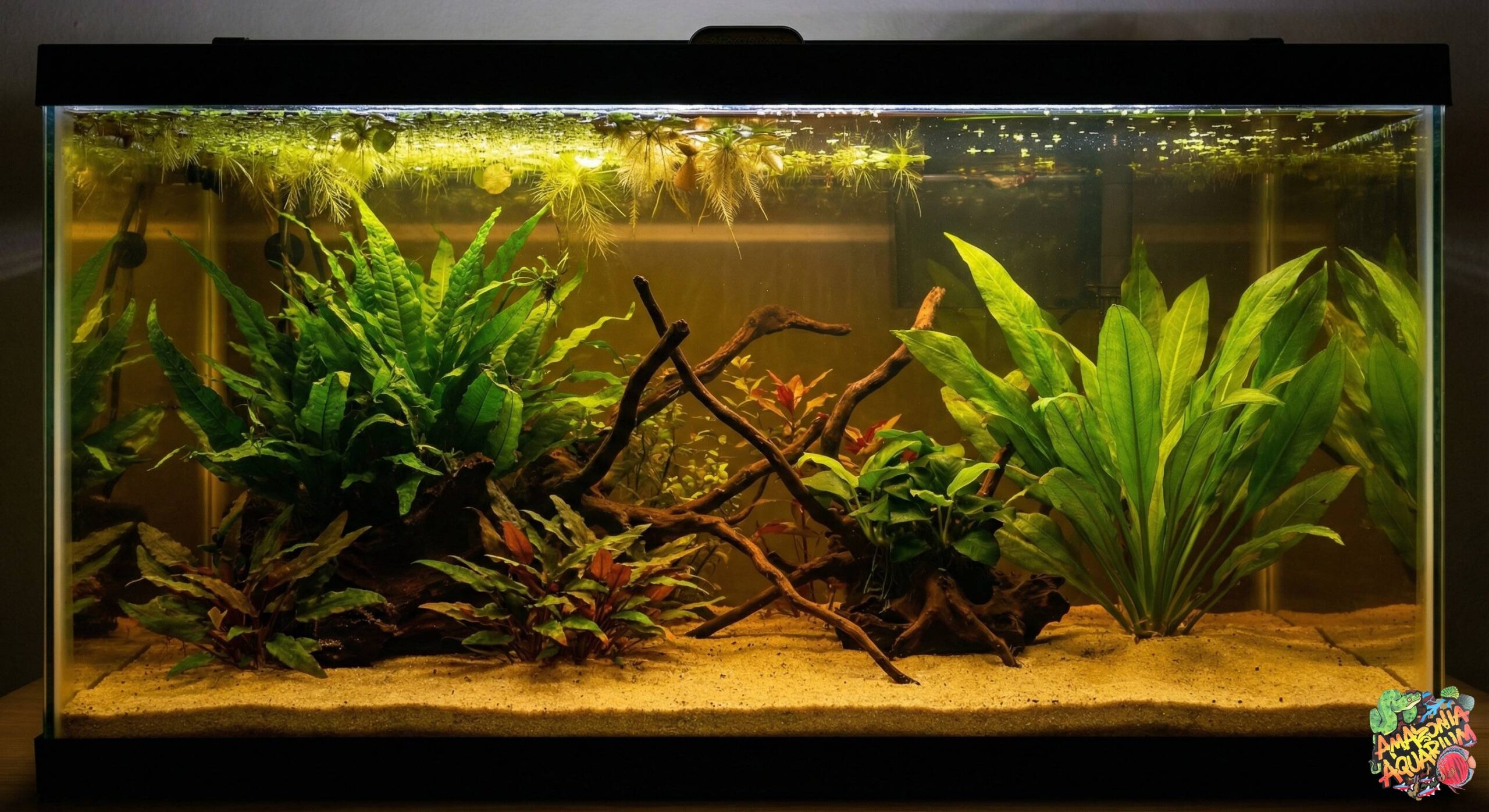
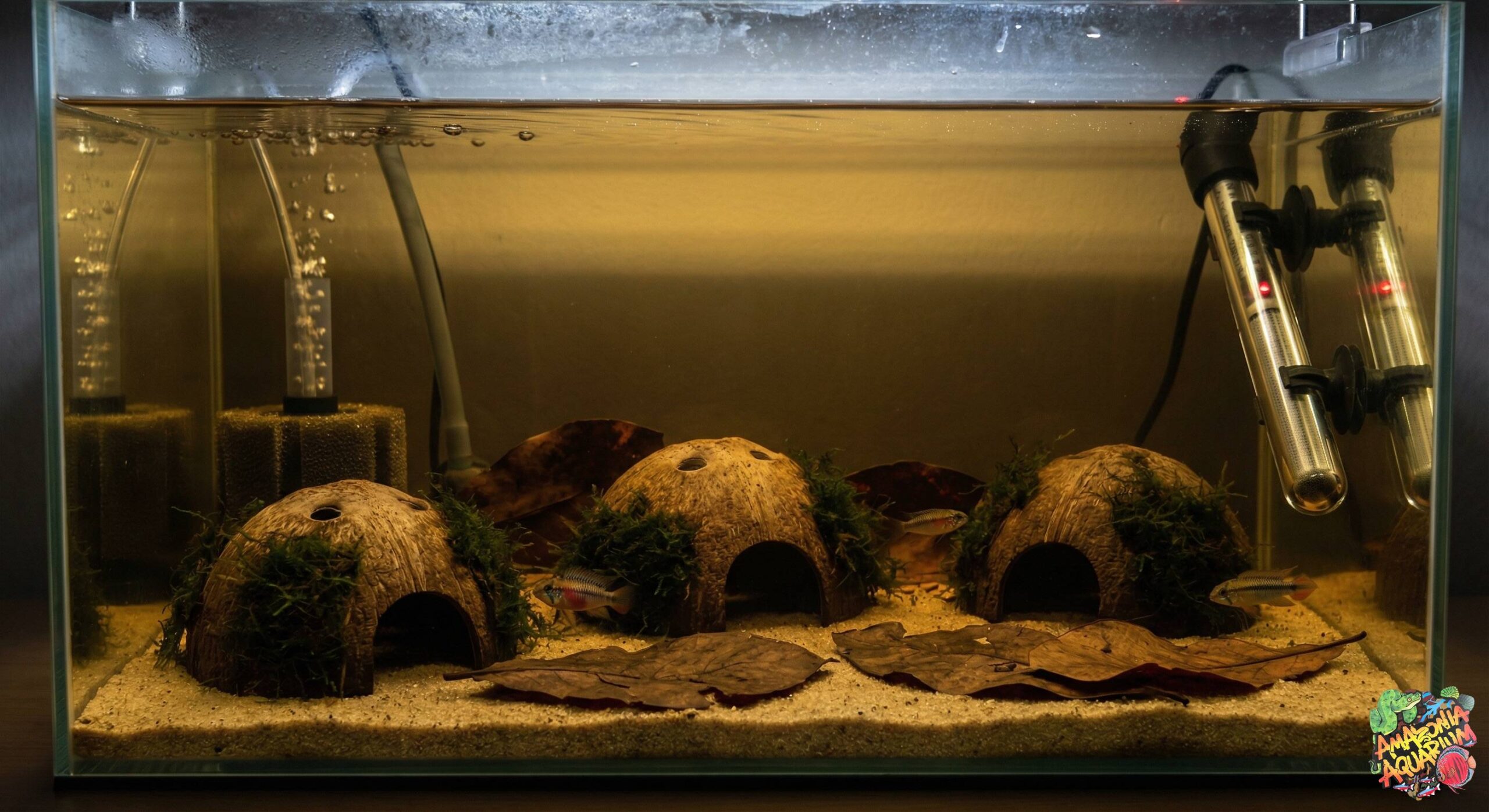
An 80–100 litre tank is the minimum for a single L333 or a breeding pair. If you plan to keep a small group, scale up to 150 litres or more to provide enough territory for each fish. The aquascape should prioritise caves and crevices — this is a cave-dwelling species that spends most of the day hidden and emerges primarily at dusk to feed.
Provide one cave per fish plus one extra. Commercially available pleco caves in ceramic or slate work well, with entrance diameters of roughly 4–5 cm for adults. You can also construct hiding spots from stacked flat stones or sections of PVC pipe capped at one end. Males will claim the best caves and defend them; females need alternative retreats to avoid harassment when they are not ready to spawn.
Substrate should be fine gravel or sand — nothing sharp. Dark-coloured substrates enhance the fish’s contrast and make them feel more secure. Driftwood is a welcome addition for grazing biofilm but is not as critical as it is for wood-eating pleco genera like Panaque. Live plants are compatible provided they can tolerate the warm, high-flow conditions: Anubias attached to rocks, Java fern, and Bolbitis heudelotii are excellent choices. Avoid delicate stem plants that will be uprooted by the fish’s nocturnal wanderings.
Ensure the tank has a tight-fitting lid. While L333 is not a habitual jumper, startled plecos can launch themselves out of uncovered tanks, especially during the acclimation period.
80–100 L minimum for a pair; 150 L+ for a group
One ceramic or slate cave per fish plus one extra — entrance ~4–5 cm diameter
Canister filter rated for 6–10x tank volume turnover per hour
Additional circulation pump to simulate Xingu-like flow across rockwork
Reliable thermostat heater maintaining 27–29 °C consistently
Fine dark gravel or sand
Backup oxygenation — essential at high temperatures
Tight-fitting cover to prevent escape during acclimation
Feeding Schedule & Diet
This is perhaps the most important section for any prospective L333 keeper: the King Tiger Pleco is NOT an algae eater. Unlike the common bristlenose or the plecostomus that gave the entire group its reputation as ‘tank cleaners,’ Hypancistrus species are omnivores with a strong preference for protein-rich foods. Placing an L333 in a tank and expecting it to graze algae off the glass will result in a slowly starving fish.
The staple diet should consist of high-quality sinking pellets or wafers with a significant protein component — look for formulas listing whole fish, shrimp, or insect meal as the first ingredient rather than spirulina or vegetable matter. Repashy gel foods (particularly Repashy Soilent Green or Morning Wood, which balance protein and vegetable content) are excellent and allow the fish to graze at their own pace.
Frozen foods should feature prominently: bloodworm, brine shrimp, mysis shrimp, and daphnia offered two to three times per week will maintain condition and encourage breeding behaviour. Live foods — blackworms, grindal worms, and white worms — are the ultimate treat and conditioning food. Offer sparingly, as live worms are calorie-dense and can lead to obesity if overfed.
Some vegetable matter is accepted and beneficial for gut health: a thin slice of blanched zucchini or sweet potato left overnight will usually show grazing marks by morning. However, the protein-to-vegetable ratio should sit around 70:30 for this species. Feed primarily at dusk or after lights-out, when the fish is naturally active.
Breeding in Captivity
Months 1–3
Conditioning
High-protein diet, pristine water, warm temperatures (28–30 °C)
Week 12+
Courtship & Spawning
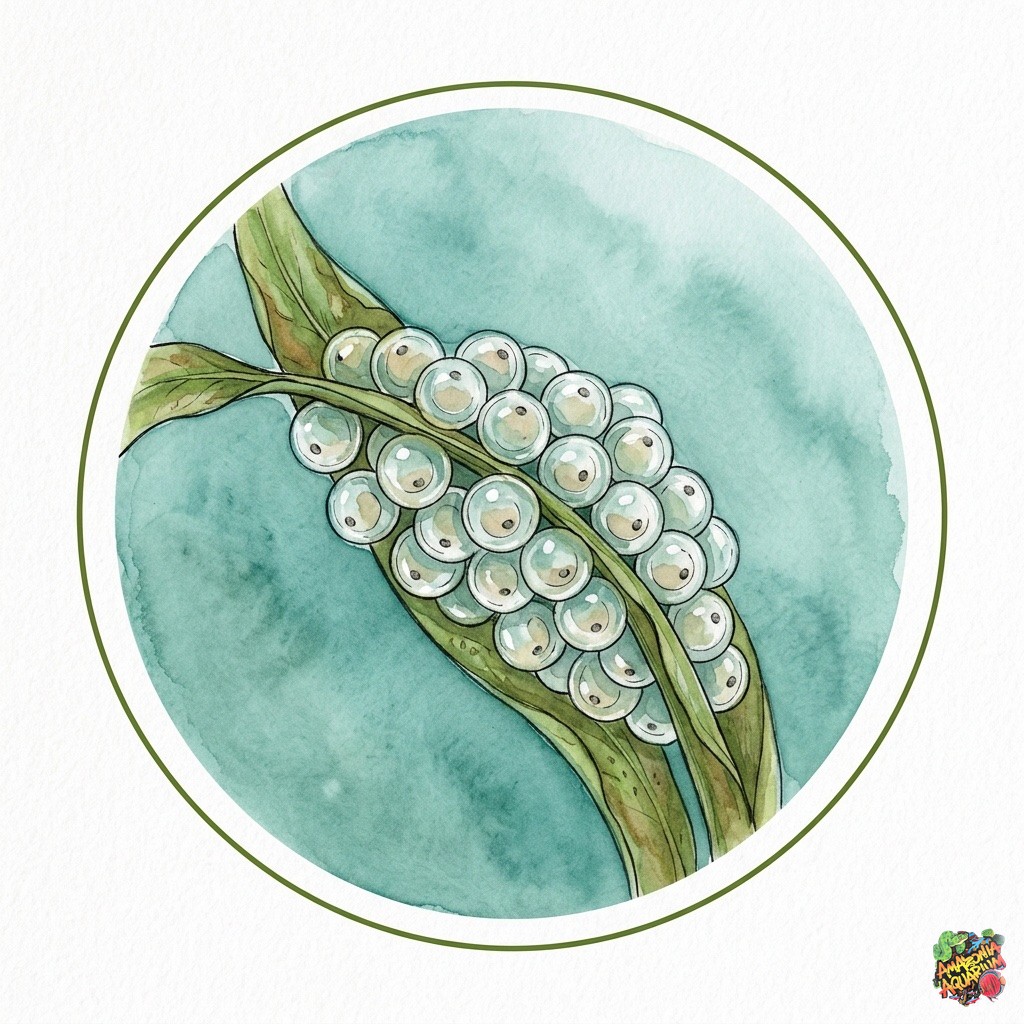
Male traps female in cave; eggs deposited on cave ceiling
Days 1–10
Incubation
Male guards and fans eggs inside the cave
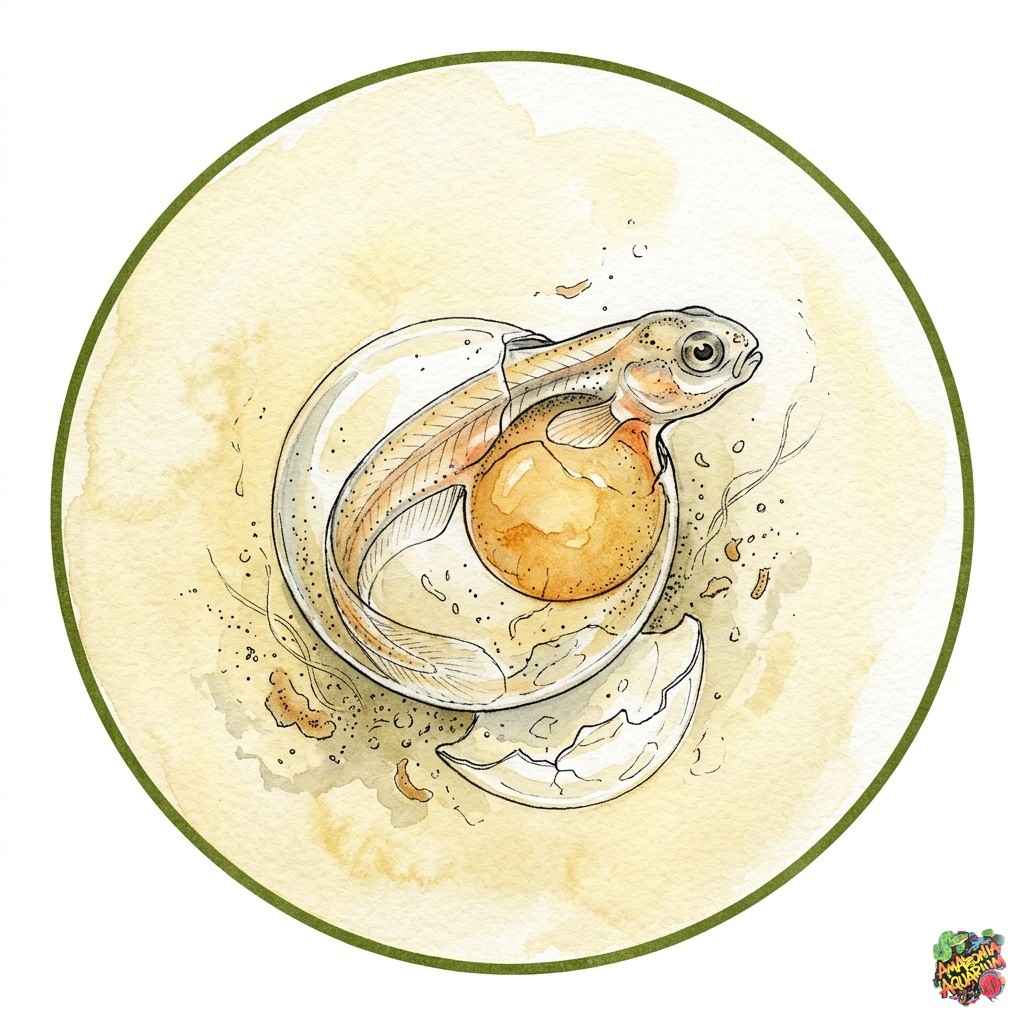
Days 10–14
Hatching & Yolk Absorption
Fry hatch with large yolk sacs; remain in cave
Days 14–21
Free-Swimming Fry
Fry leave cave and begin feeding independently
Conditioning
L333 is one of the more readily bred Hypancistrus species in captivity, making it a rewarding target for the dedicated hobbyist. Conditioning begins with diet: increase the frequency of frozen and live foods to daily offerings for two to three months. Maintain water temperature at the upper end of the range (28–30 °C), perform twice-weekly water changes of 25 %, and ensure dissolved oxygen levels remain high.
Each male must have access to his own cave of appropriate size — snug enough that he fills the entrance when inside. Males will begin cleaning and defending their preferred cave with increasing intensity as conditioning progresses.
Courtship & Spawning
Spawning is typically triggered by a combination of a large cool water change (30–40 % with water 2–3 °C cooler than tank temperature) and a drop in barometric pressure. The male lures or traps a gravid female in his cave, where she deposits 10–30 large, adhesive, yellow-orange eggs on the ceiling or walls. Clutch sizes are small compared to many aquarium fish, but the eggs are large and yolk-rich, giving the fry a significant head start.
After egg deposition, the female is expelled from the cave and the male assumes sole responsibility for the clutch. He fans the eggs continuously with his pectoral fins to maintain oxygen flow and removes any infertile or fungused eggs.
Incubation
Incubation lasts approximately 7–10 days at 28–29 °C. During this period the male rarely leaves the cave and eats little or nothing. It is critical not to disturb him — shining a torch into the cave, moving décor, or performing aggressive maintenance near the breeding cave can cause the male to abandon or consume the eggs.
Resist the temptation to check on progress. If you have positioned the cave where you can observe the entrance without disturbance, you may notice the male occasionally repositioning or see his tail fanning rhythmically — these are positive signs.
Hatching & Yolk Absorption
The fry hatch as relatively large larvae (approximately 8–10 mm) carrying substantial yolk sacs. They remain clustered in the cave under the male’s guard for several more days while they absorb the yolk. At this stage they are essentially immobile and do not require feeding. The male continues to fan and protect them.
Free-Swimming Fry
Once the yolk sac is fully absorbed, the fry venture out of the cave and begin actively foraging. First foods should include freshly hatched baby brine shrimp, crushed high-protein pellets, and Repashy gel food smeared thinly on flat stones. The fry already display a miniature version of the adult striped pattern, which is one of the delights of breeding this species.
Growth is slow — expect roughly 1 cm per month under optimal conditions. The fry can be left with the parents if the tank is large enough and has abundant hiding spots, but survival rates improve significantly in a dedicated grow-out tank where food competition is minimised.
Choosing Tank Mates
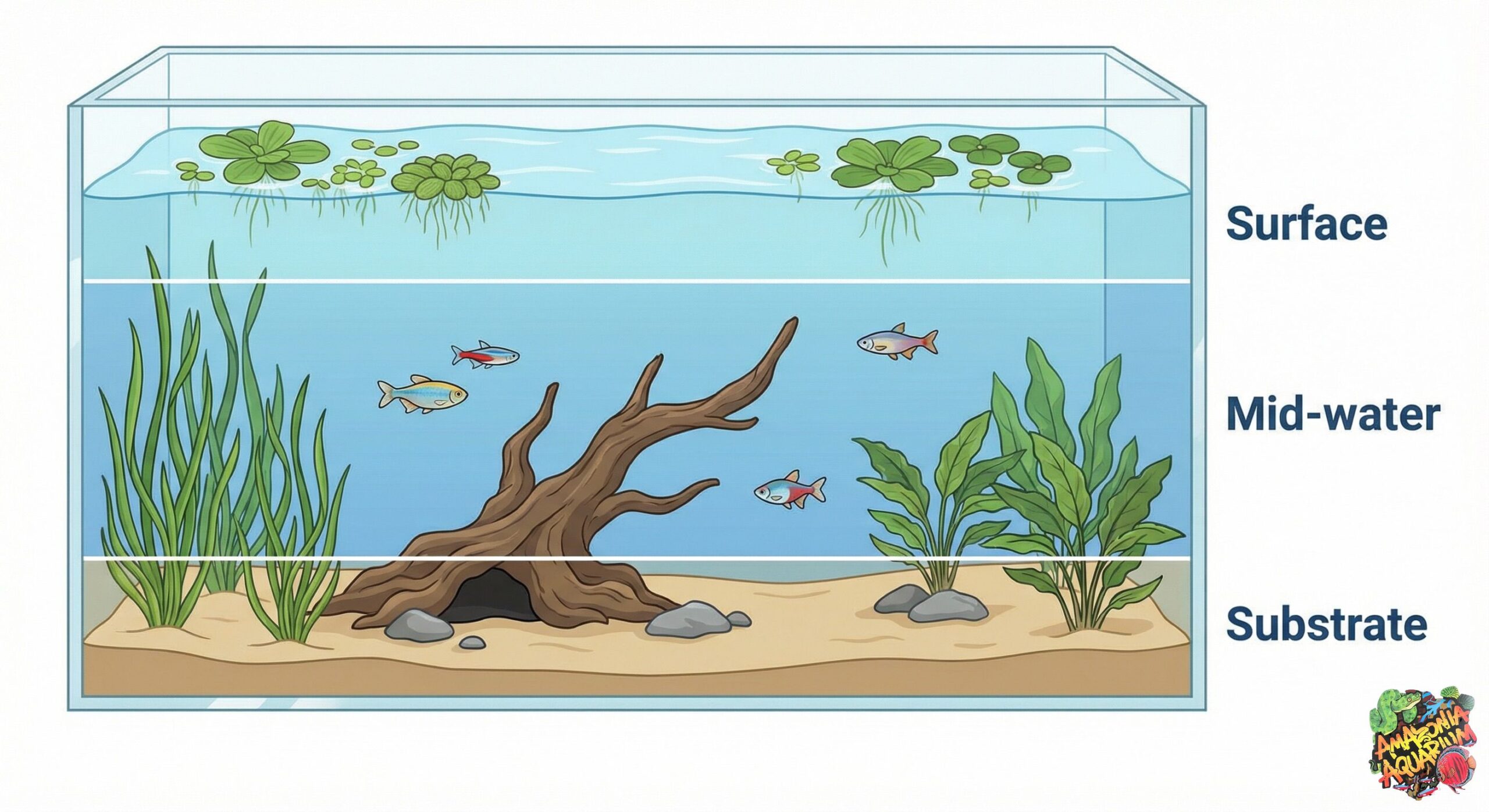
L333 can be a well-behaved community member provided its specific needs — warm water, high flow, and dedicated cave territory — are met. The ‘Caution’ label on its community rating refers primarily to intraspecific aggression: males are intensely territorial with each other and will fight viciously over caves if space is limited. With other species, however, L333 is generally indifferent. It ignores mid-water fish entirely and coexists peacefully with most bottom-dwellers that do not compete for cave space.
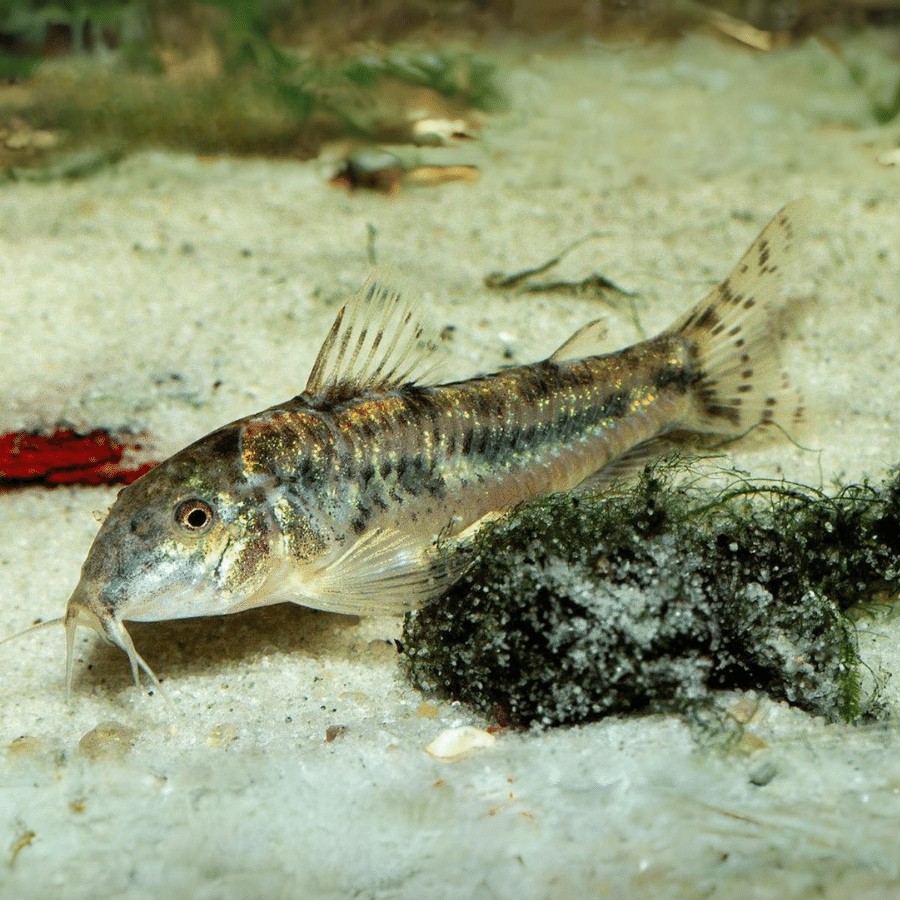
The critical compatibility constraint is temperature. At 27–30 °C, many popular community fish are at or beyond their comfort limit. Choose tank mates from warm-water lineages: Corydoras sterbai (not C. paleatus or C. aeneus, which prefer cooler water), cardinal tetras, rummy-nose tetras, and South American dwarf cichlids are all excellent options. Avoid species that need temperatures below 25 °C.
One vital rule: never house different Hypancistrus species together. L333, L046, L066, and related species will hybridise freely, producing offspring that muddy genetic lines and undermine conservation breeding efforts. The hobby has a responsibility to maintain these species as pure populations, especially given the environmental pressures on the Rio Xingu from dam construction.
| Species | Why | |
|---|---|---|
| ✅ | Cardinal Tetra | Peaceful mid-water schooler from similar soft, warm water biotope; ideal visual complement |
| ✅ | Rummy Nose Tetra | Tolerates warm water well and schools tightly in mid-water, leaving the bottom to the pleco |
| ✅ | Corydoras sterbai | One of the few Corydoras comfortable at 28 °C+; shares the bottom peacefully and does not compete for caves |
| ✅ | Apistogramma cacatuoides | Small South American dwarf cichlid that adds colour and personality; occupies open bottom areas rather than caves |
| ✅ | Neon Tetra | Classic community fish; stays in mid-water and is too small to bother a pleco |
| ✅ | Honey Gourami | Gentle surface-dweller that adds warm gold tones to the upper water column without any bottom-level conflict |
| ✅ | Otocinclus | Tiny algae grazer that occupies glass and plant surfaces — genuinely complementary to an L333 that ignores algae |
| ✅ | Bristlenose Catfish | Compatible in larger tanks with ample caves; different genus minimises territorial friction |
| ❌ | Other Hypancistrus (L046, L066, etc.) | High risk of hybridisation and intense territorial disputes over caves — never mix Hypancistrus species |
| ❌ | Large Aggressive Cichlids | Species like Oscars, Green Terrors, or large Geophagus can injure or outcompete L333 for territory |
| ❌ | Cold-Water Species (White Cloud, Goldfish) | Temperature requirements are incompatible — L333 needs 26–30 °C, far above cold-water species’ comfort zone |
| ❌ | Aggressive Pleco Species (Common Pleco adults, Panaque) | Larger, more aggressive plecos will dominate cave territories and may physically harm the smaller L333 |
Quick Reference
| Scientific Name | Hypancistrus sp. L333 |
| L-Number | L333 |
| Adult Size | 12–15 cm |
| Lifespan | 10–15 years |
| pH | 5.5–7.5 (ideal 6.5) |
| Temperature | 26–30 °C (ideal 28 °C) |
| Hardness | 1–10 dGH |
| Min Tank Size | 80 L (20 gal) for a pair |
| Diet | Omnivore (protein-heavy) — NOT an algae eater |
| Temperament | Peaceful with others; territorial with own species |
| Tank Zone | Bottom — cave-dwelling |
| Flow | High — powerhead recommended |
| Breeding | Cave spawner — male guards eggs |
| Care Level | Intermediate |
Sydney Keeper Tips
Keeping L333 King Tiger Plecos in Sydney comes with specific advantages and challenges. Here’s what local keepers should know.
Sydney Tap Water
L333 Plecos prefer slightly softer, acidic water (pH 6.0–7.0), but will adapt to Sydney’s tap water with proper acclimation. Ensure strong water flow — these are riverine fish that need high oxygen levels.
Seasonal Considerations
King Tigers prefer warmer water (25–30°C). Sydney’s winter temperatures are fine with a good heater, but ensure it’s rated for your tank volume. Summer is their natural comfort zone.
Local Tips
- Driftwood is essential — L333s graze on the biofilm and need the cellulose for digestion. Sydney aquarium shops stock Malaysian and Mopani driftwood.
- These are cave breeders — provide terracotta pots or coconut shells as spawning sites.
- L-number plecos hold their value well — healthy, bred specimens can be sold to other Sydney hobbyists.
Frequently Asked Questions
How big do L333 Plecos get?
Do they eat algae?
Do they need driftwood?
Can I breed L333 in a community tank?
Are they nocturnal?
Related Products

Reviews
Clear filtersThere are no reviews yet.